We’d intended all along to spend the final month of our Italian adventure in Sicily, and the day before our arrival we finally booked a rental in which to do so. Ha! Some people think it’s easy to plan this stuff! 😀
The morning of December 13 we packed up the car to head for the port and catch the ferry to go just “right over there!” Sicily sits a whole two miles away!
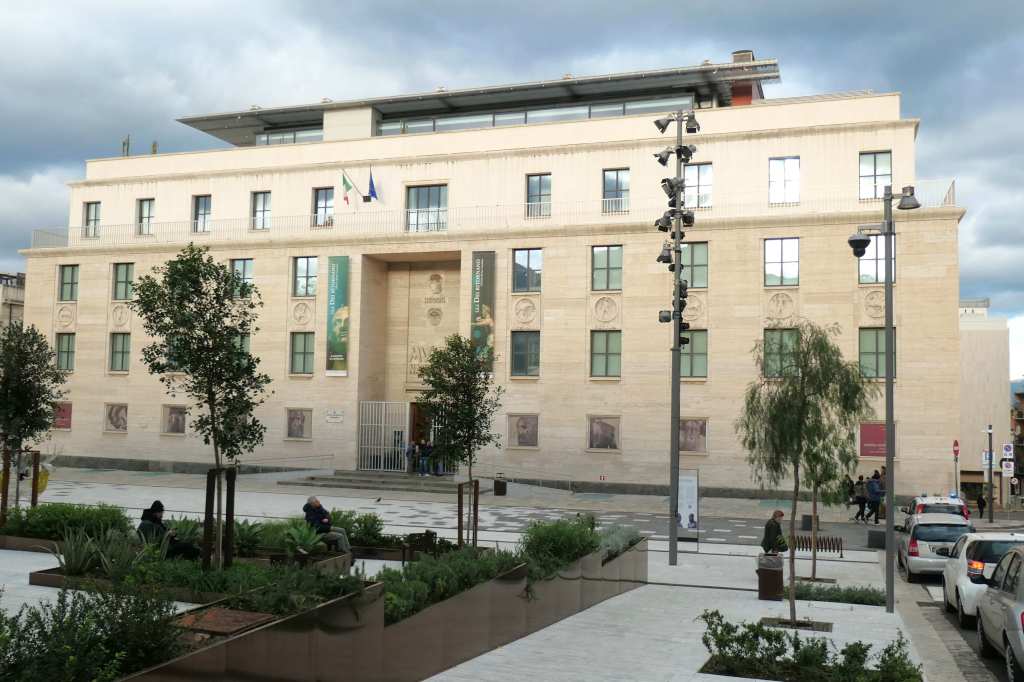
On the way we made what we thought would be a quick stop at the Archaeological National Museum of Reggio Calabria to see the Riace Bronzes.

This archaeological museum is a perfect example of “what we don’t know” or if we were taught, “what we forgot.” Walking into the first room, you see incredible things from thousands of years ago. Like a bone or something, right? Sure, they have the tools that very, very early man used. But, for example, how about a ceramic container more beautiful than one can buy today? But wait, it’s from when? 2800 years ago! And they found a factory full of stuff? Yup, a factory from 800 BC! Who’d have thought? Needless to say, it didn’t take long before we were overwhelmed and stunned by the beauty of so many things made so, so long ago.
Todd finally declared it all to be “just too much,” Susie locked up her purse in a special locker room, and we made our way past the guards and through the “man-trap” security doors to the pièce de résistance, the Riace Bronzes.
The two statues were discovered in the Ionian Sea just 656 ft from shore near Riace Marina in southern Italy in August 1972. While diving at a depth of only 26 ft, Stefano Mariottini spotted an arm sticking up from the sandy seabed. (Yikes! What a dive!) Digging down to investigate, he found the large statue and a second figure buried close by. Their loss at sea is thought to be in the 1st to 2nd century BC when the Romans looted large quantities of Greek artworks and transported them to Italy.
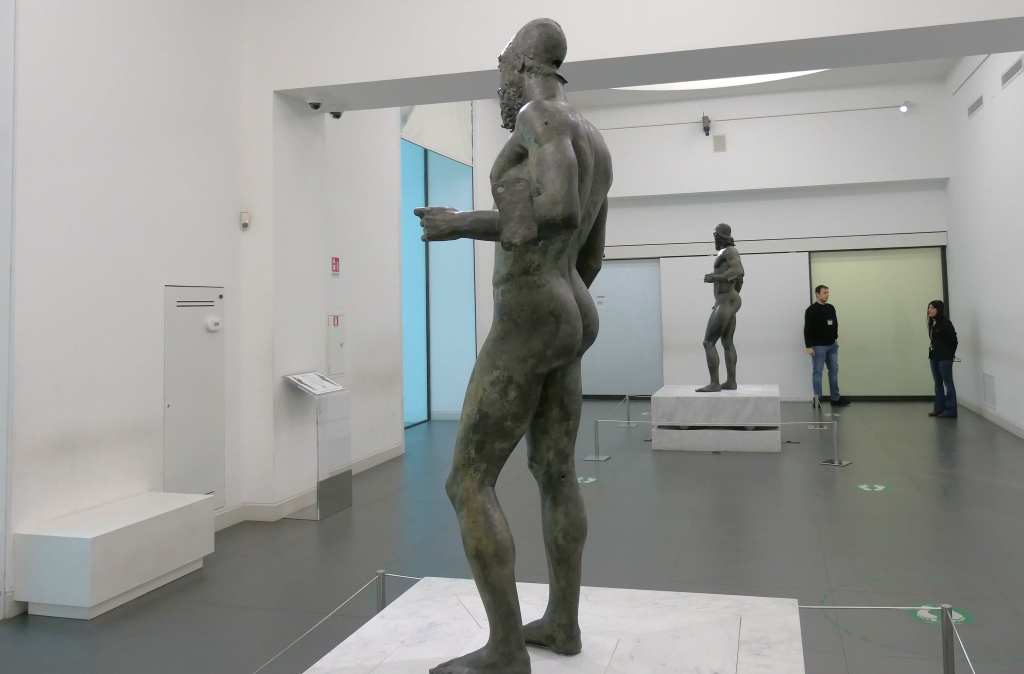
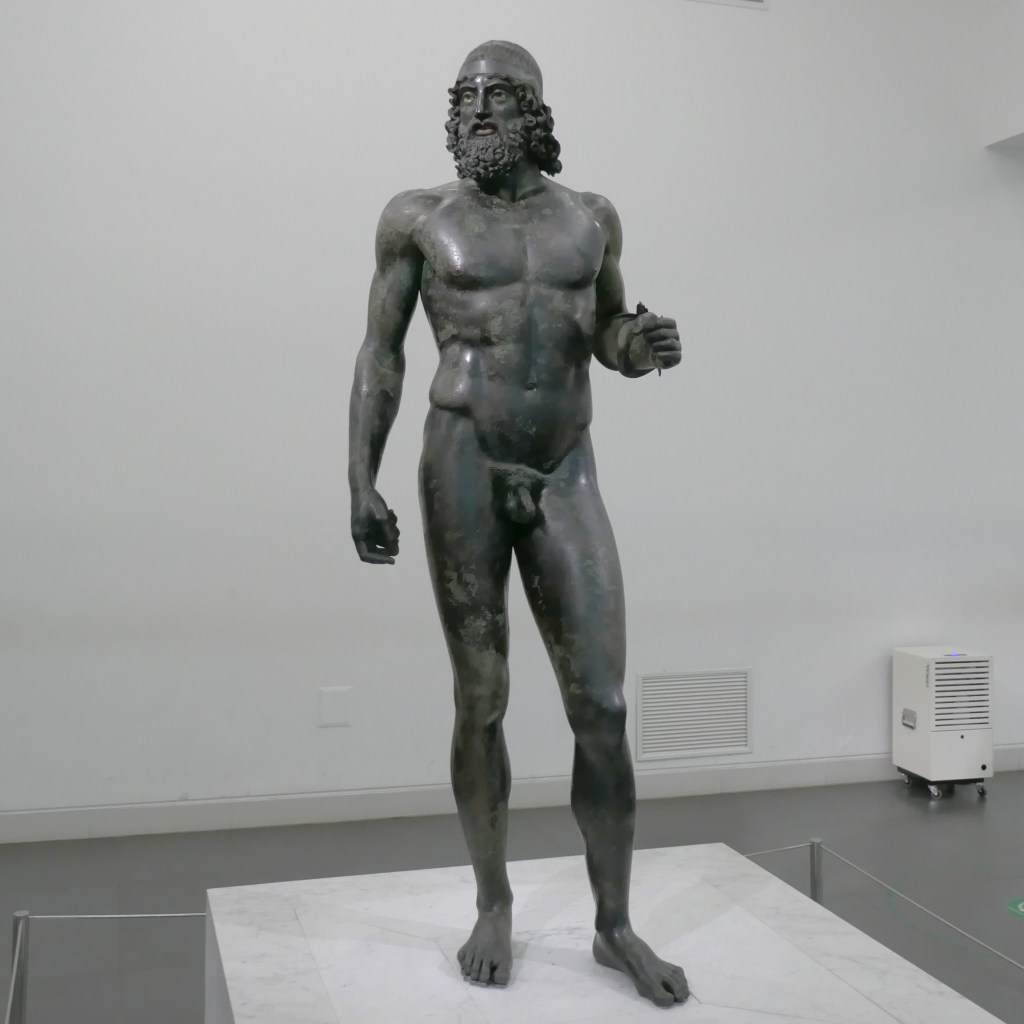
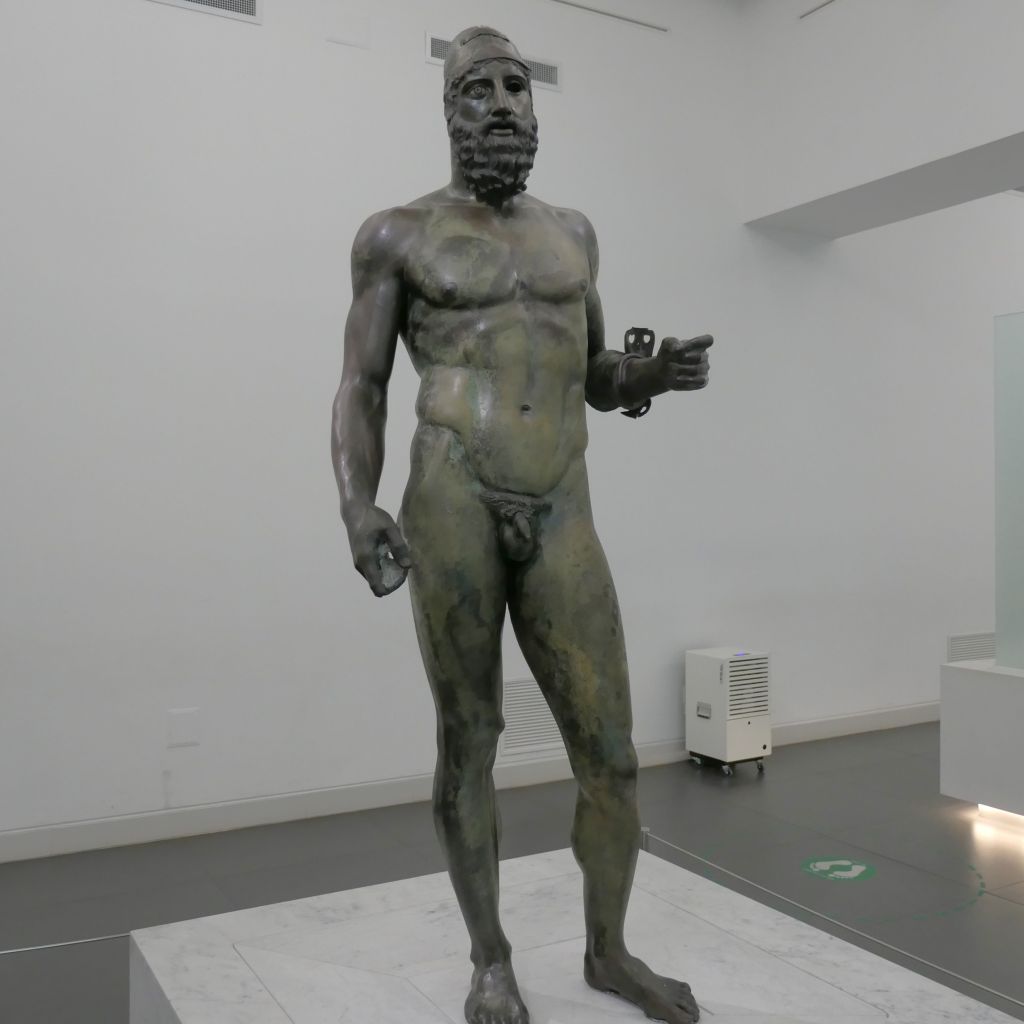
The incredibly detailed figures – dated to between 460 and 450 BC – are made of cast bronze, a favorite of Greek artists. Because bronze was in such demand for reuse in later periods, few complete sculptures have survived (no more than 12 per some sources). In this case, calcite was used for the eyes – three of which amazingly survived the centuries in the sea. The pupils were made from a glass paste with tear ducts of rose-colored stone. The nipples, eyelashes and lips are copper. Warrior A even has teeth made from a single strip of silver.
Show us a craftsman that can build one today!
Walking out a bit flummoxed, we purchased a gelato, returned to the car, sat there a moment, then laughed! What a world! And so much we have to learn! For now, let’s drive on up to the little town of Villa San Giovanni to catch one of the ferries over to Sicily.
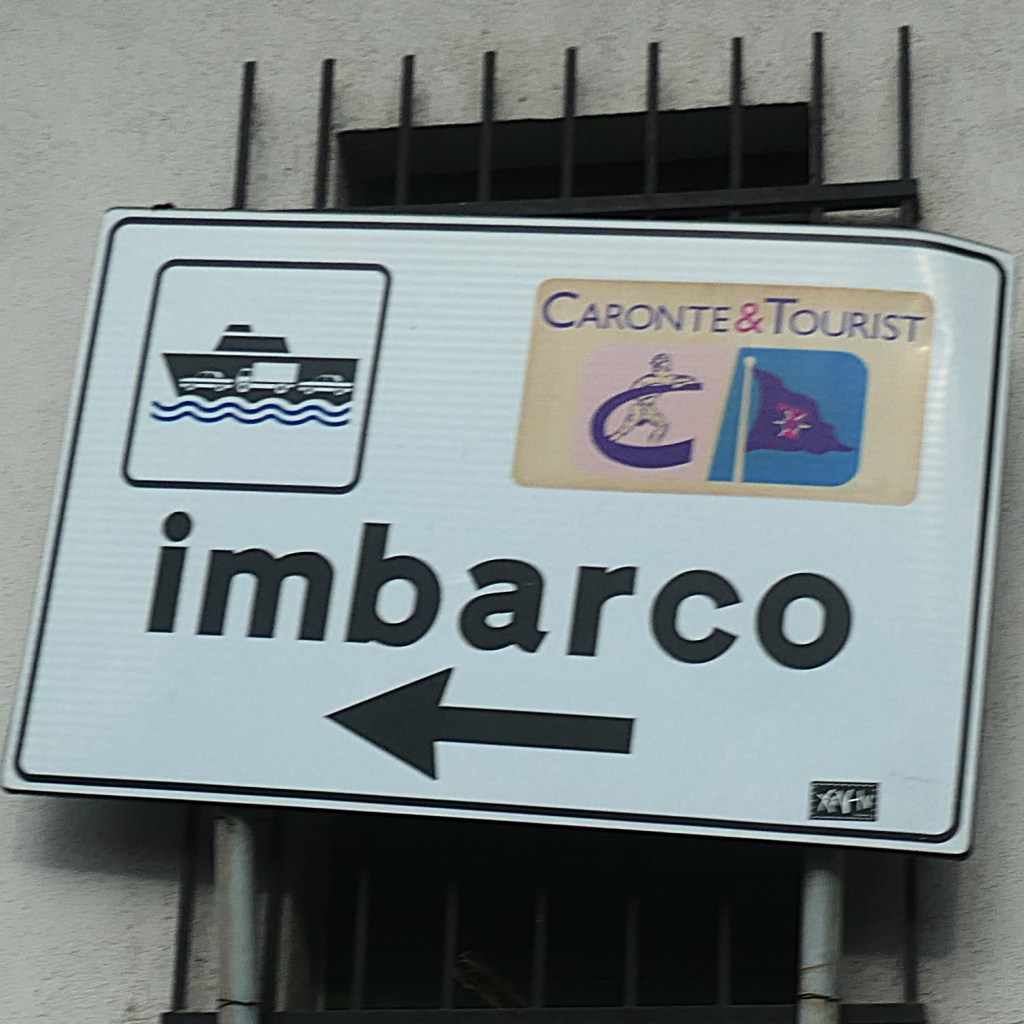
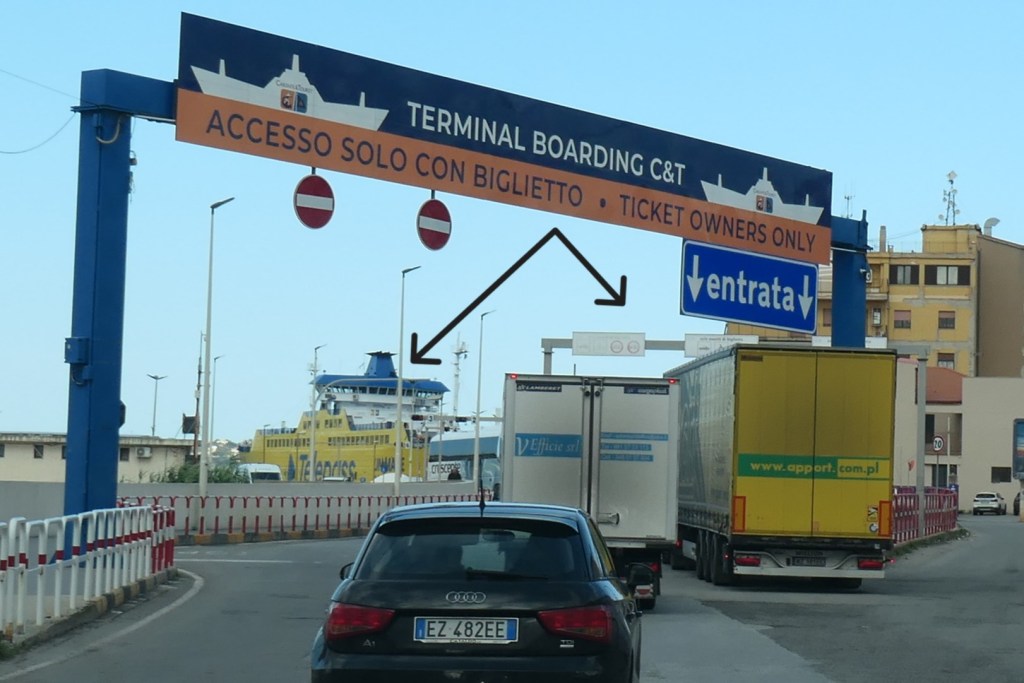
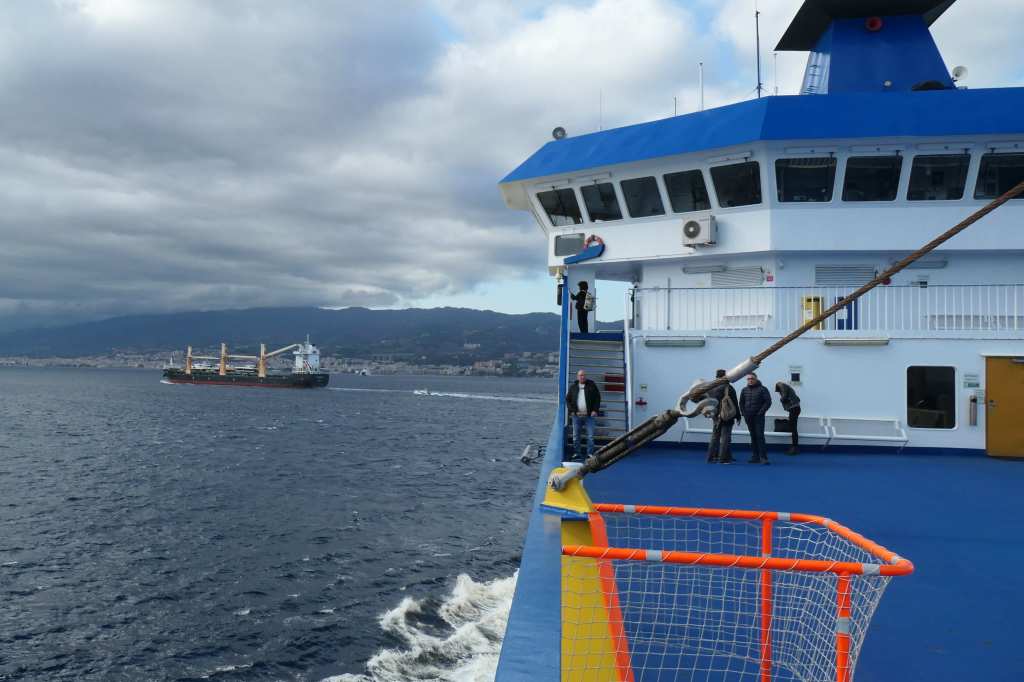
After disembarking in Sicily, we made it a whole 45 minutes up the road before pulling over in Falcone to eat at Ristorante da Vincenzo’s! Cheers! We are in Sicily! We enjoyed a wonderful lunch of fresh seafood. (Sorry no pictures – photographing the presented plates in a white-tablecloth joint feels a little too Facebook or TikTok. Geez, we’re old!) Walking back to the car we passed a truck selling veggies, from which we learned about and bought… fava beans!

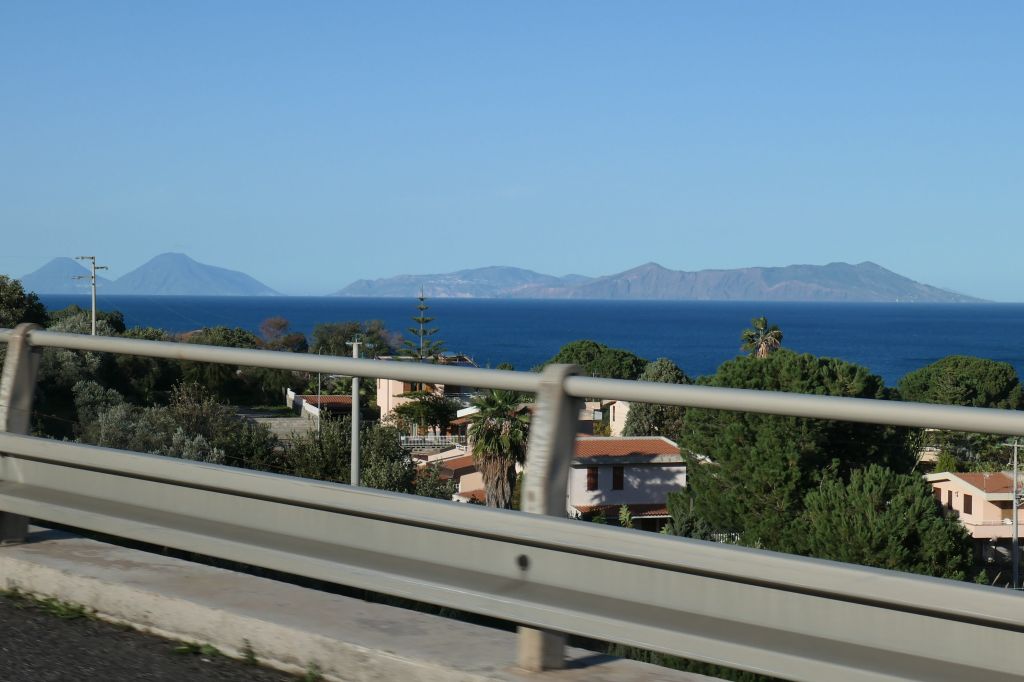
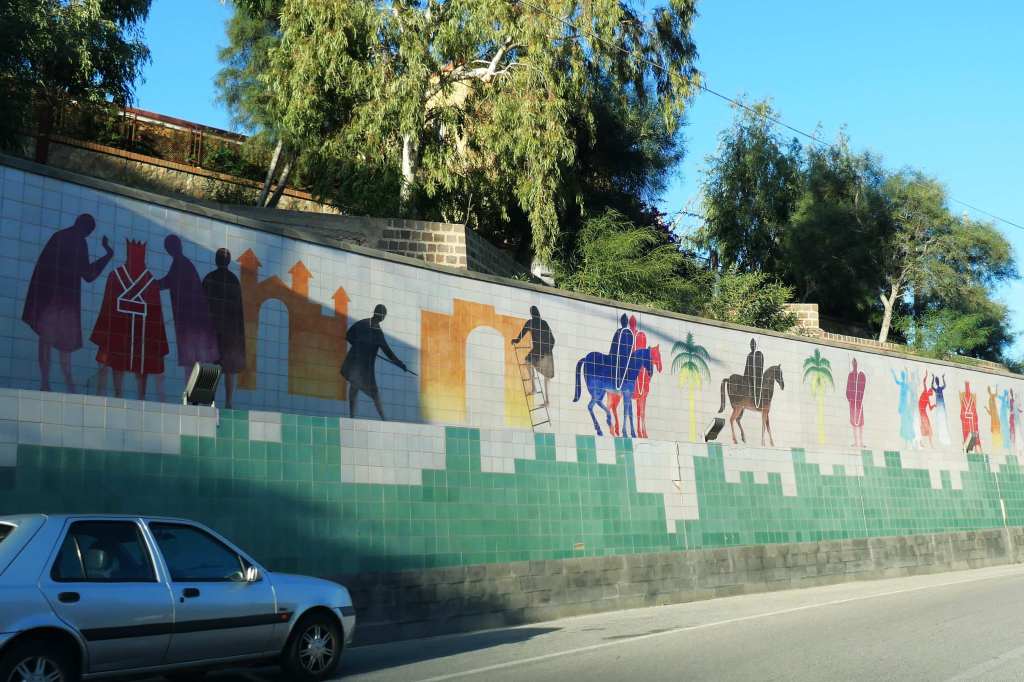
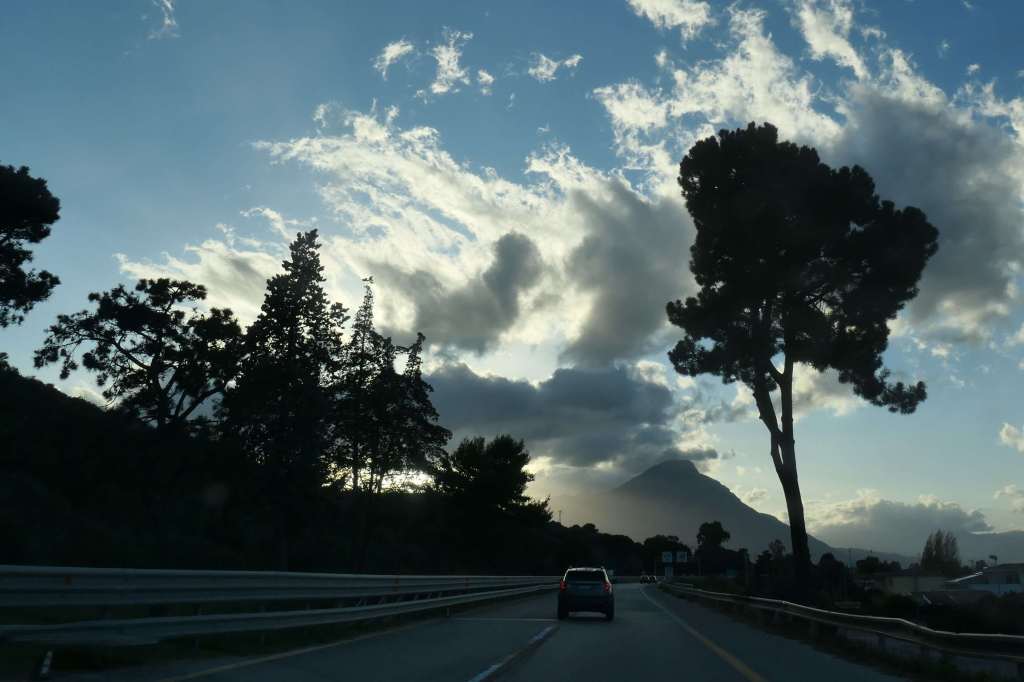
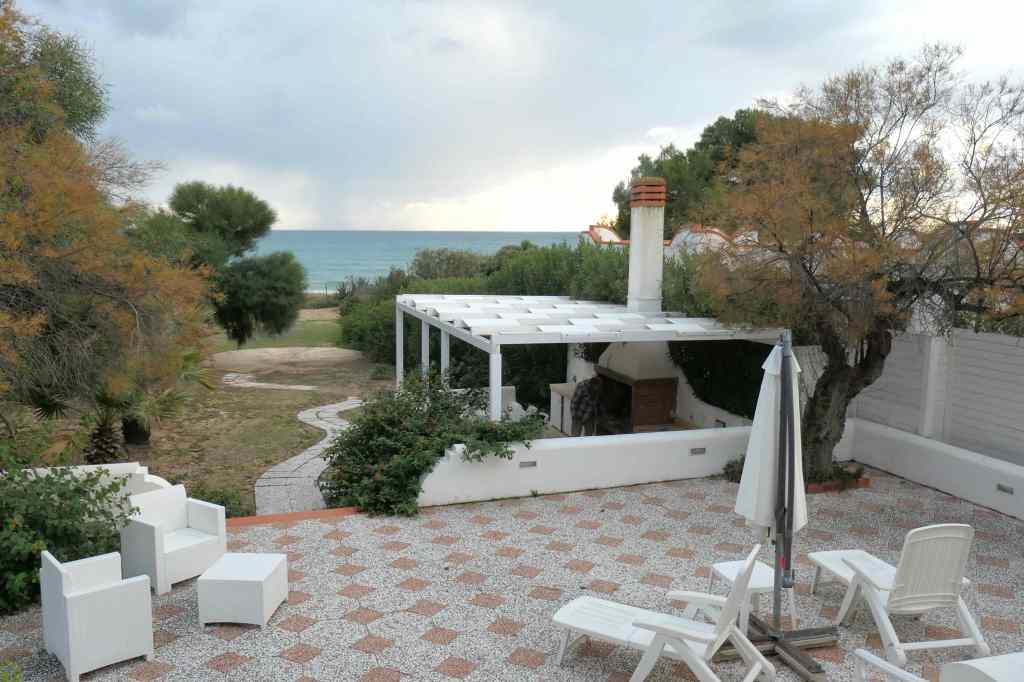
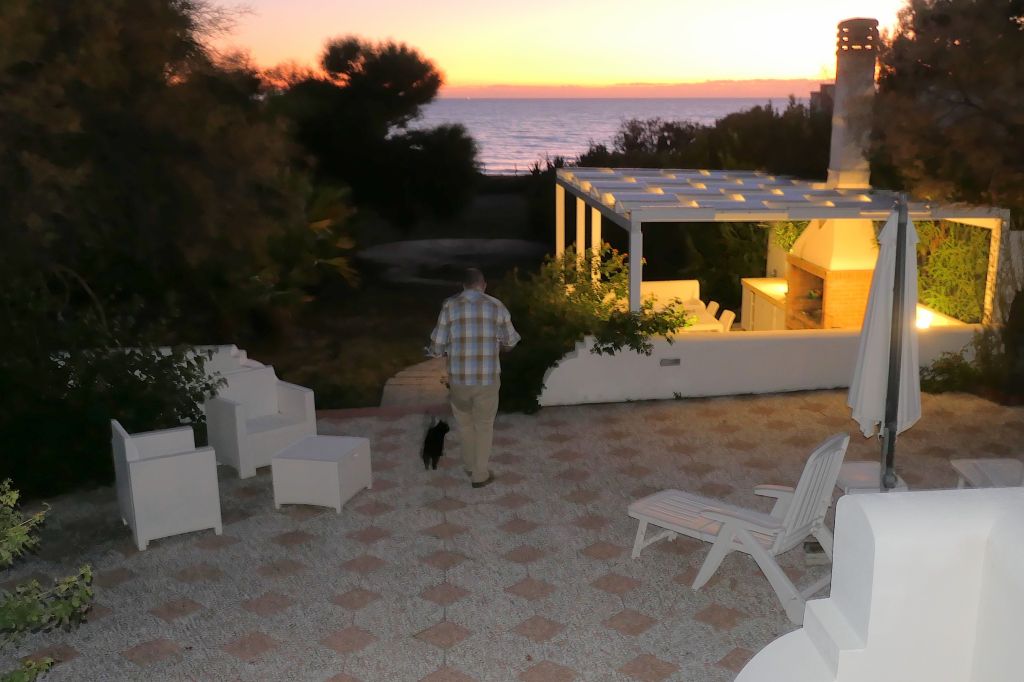
For our stay in Sicily, we chose a seaside village way over on the other side, in the municipality of Menfi.
“Renowned for its dunes, golden sandy beaches and crystal-clear sea, Contrada Fiori South has received the ‘Blue Flag’ award for years, making it among the most renowned seaside resorts in Sicily,” per the owner of the rental. 🙂 She continued, “Here you can breathe a relaxed and carefree atmosphere immersed in the unspoiled nature of the Sicilian coast.”
And for us, the perfect off-season timing because, save for a few locals, we have the beach to ourselves!
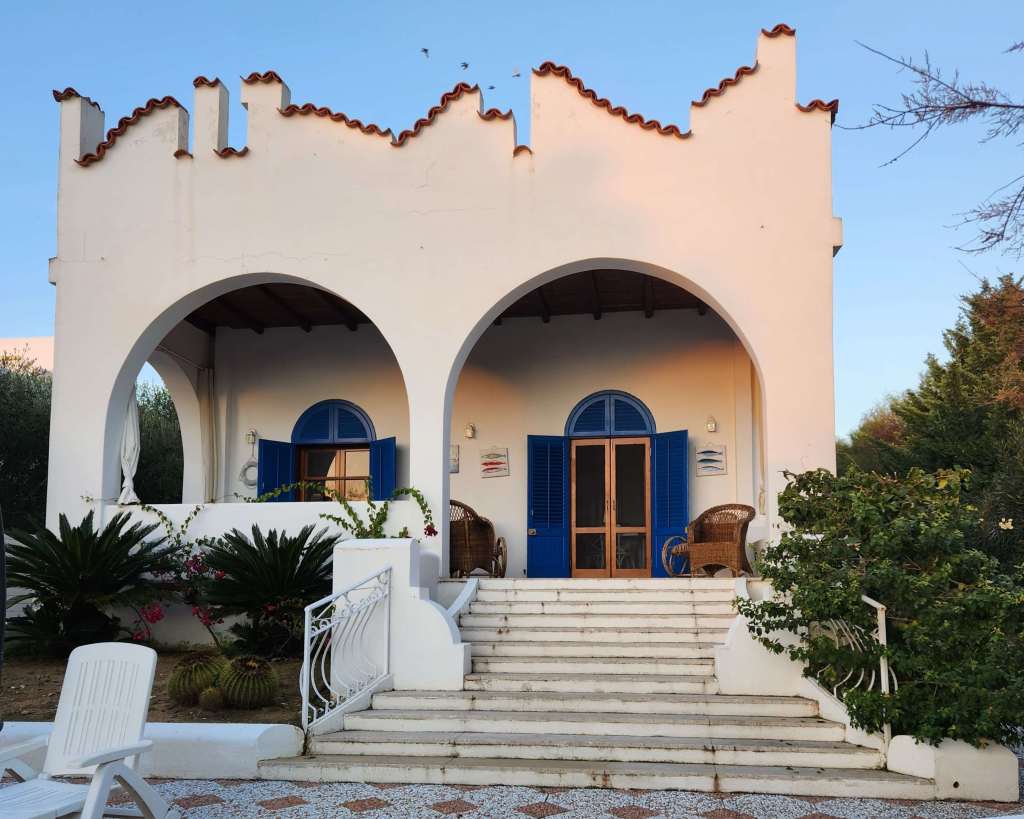
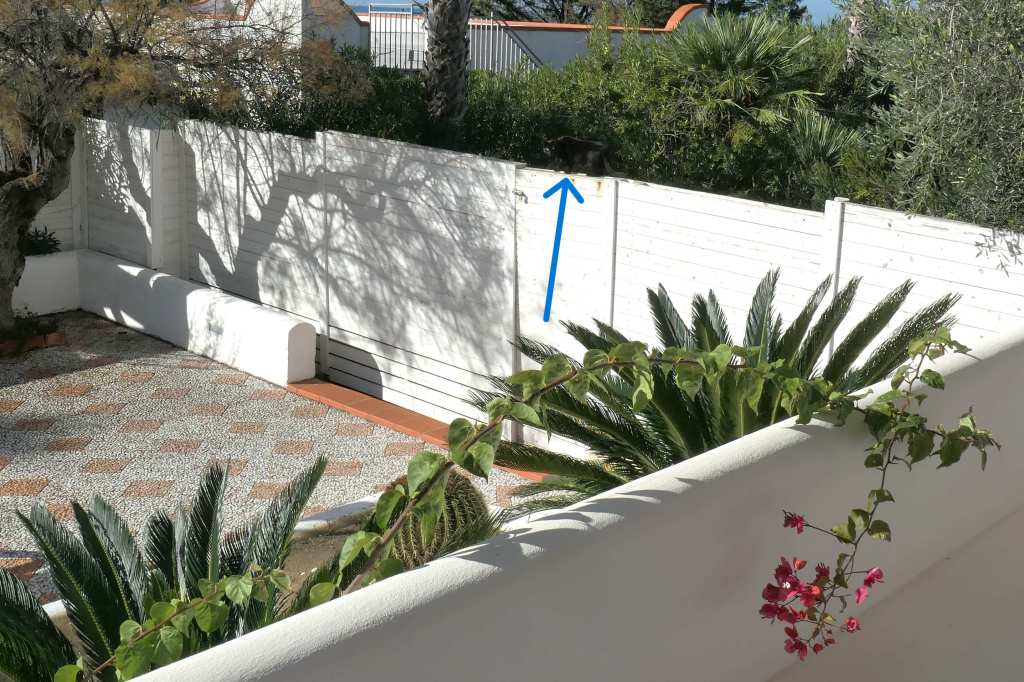
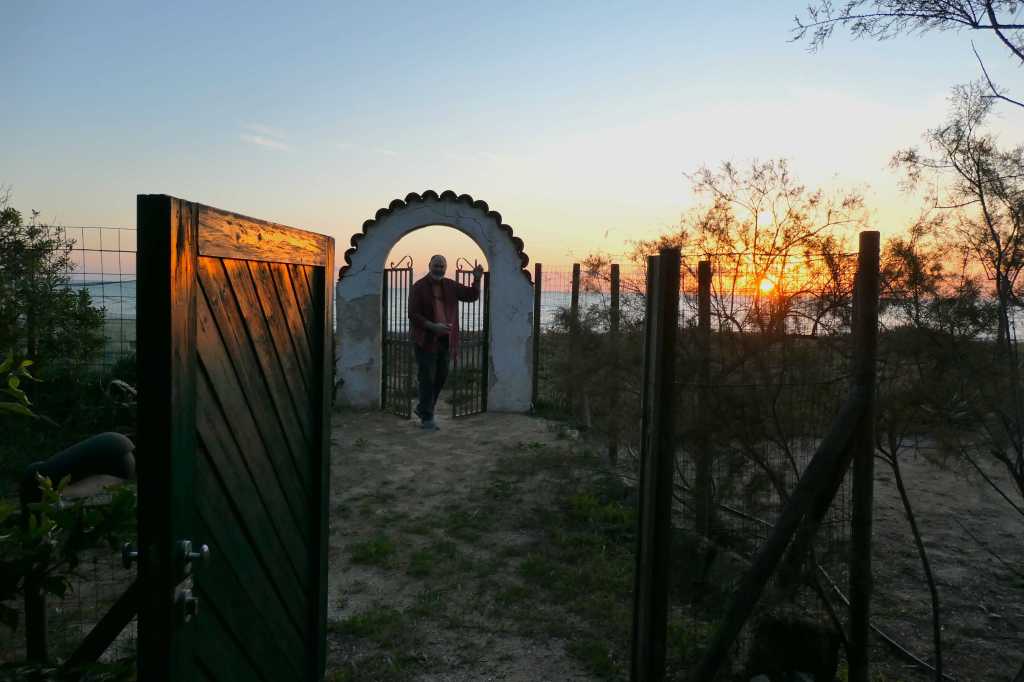
Excited about watching the first sunset in our temporary home away from home, we grabbed drinks and chairs and headed for the beach.
A WWII pillbox! 😲
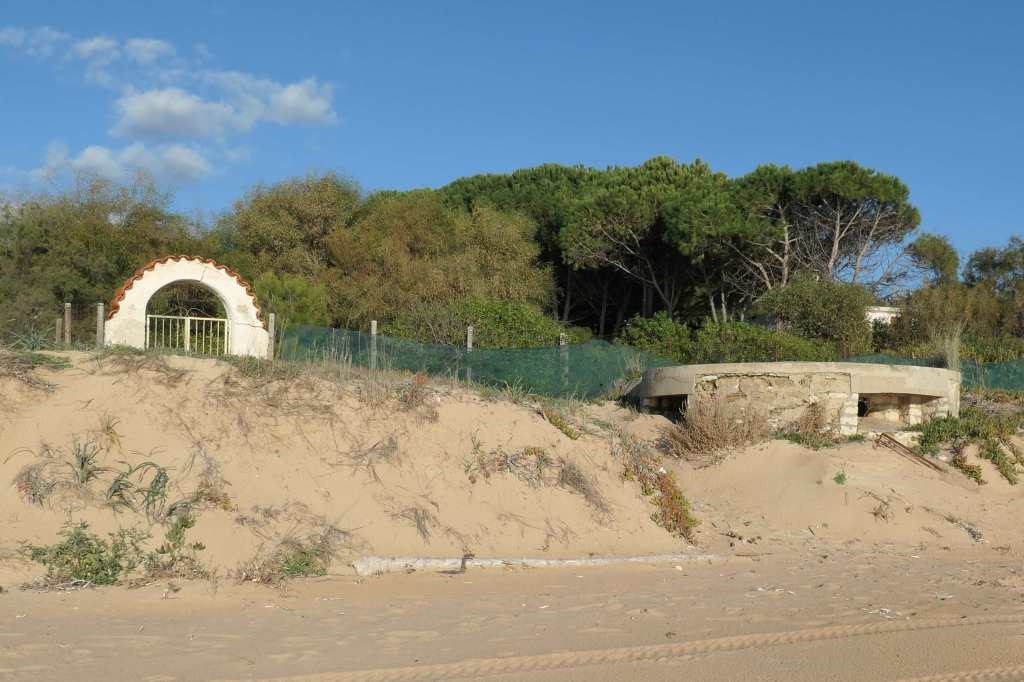
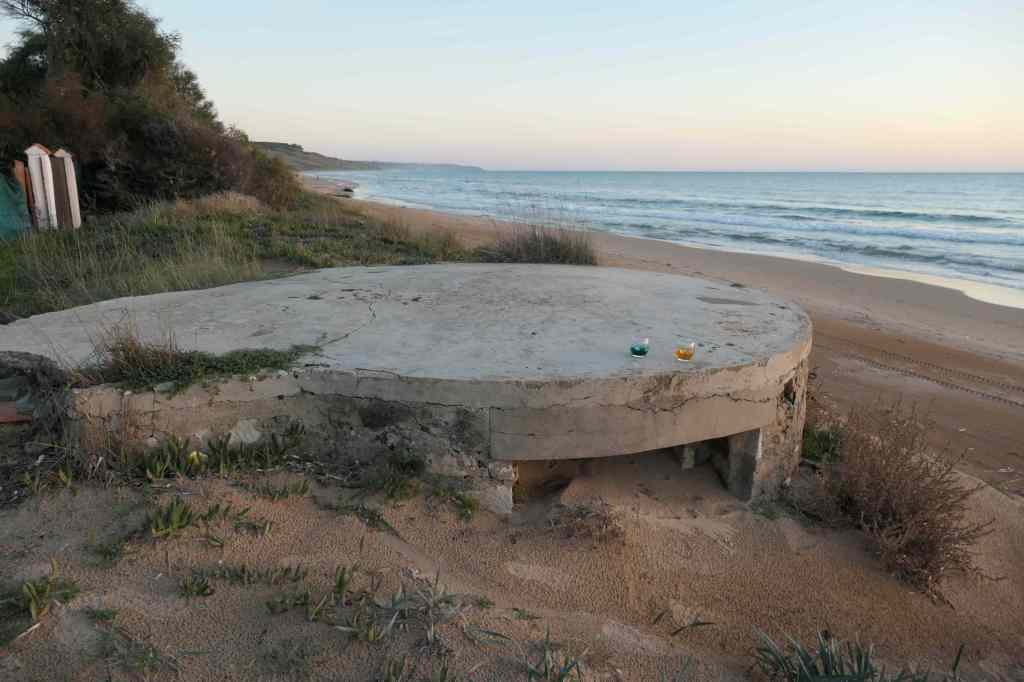

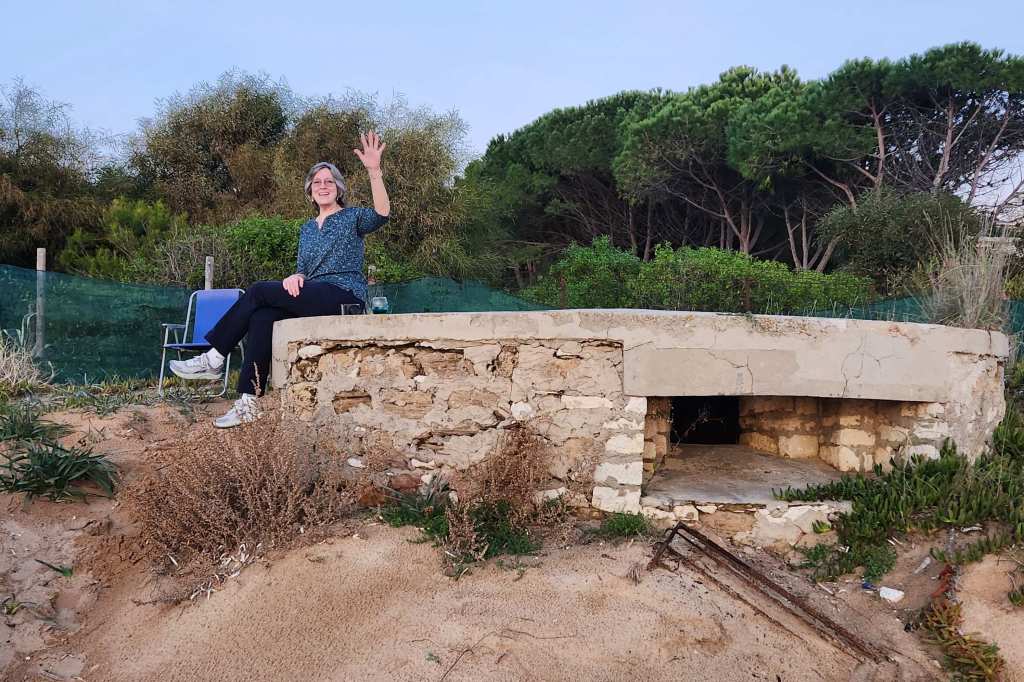
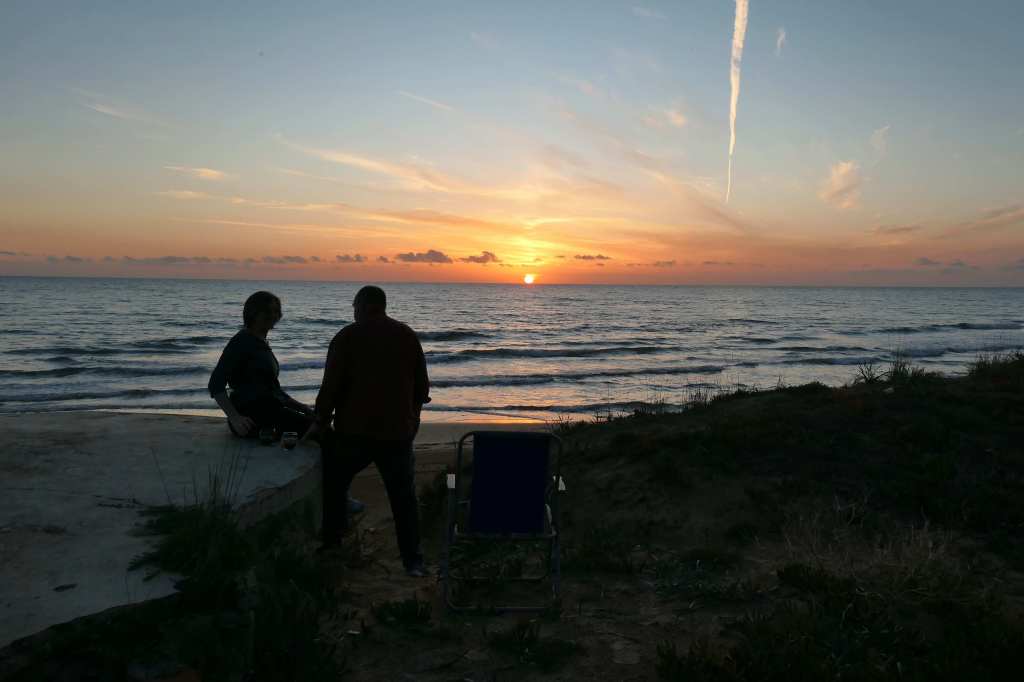
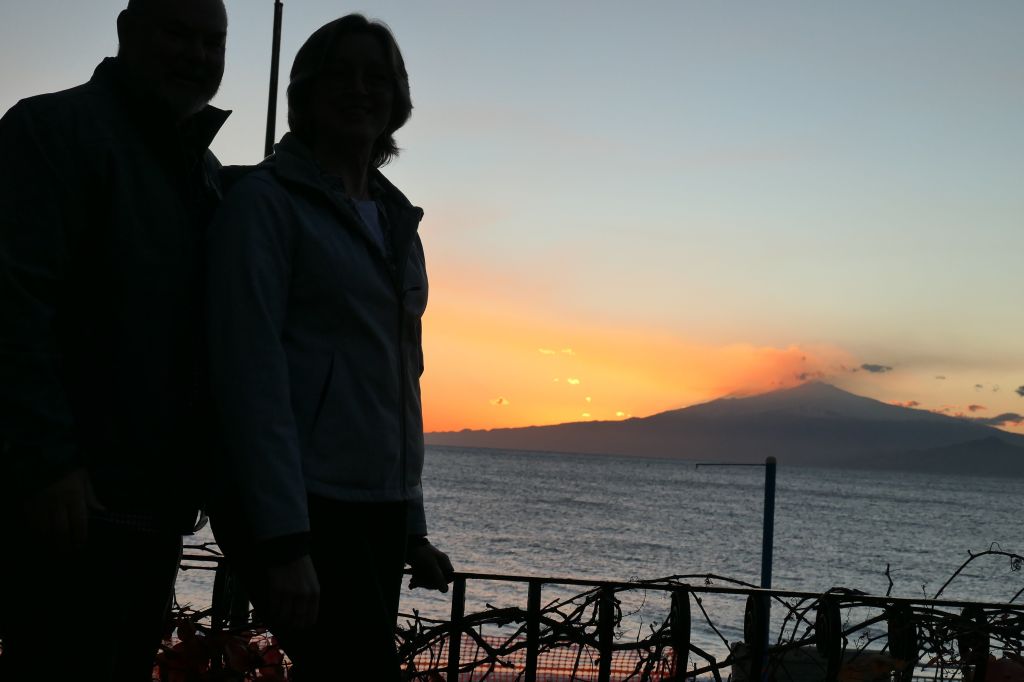
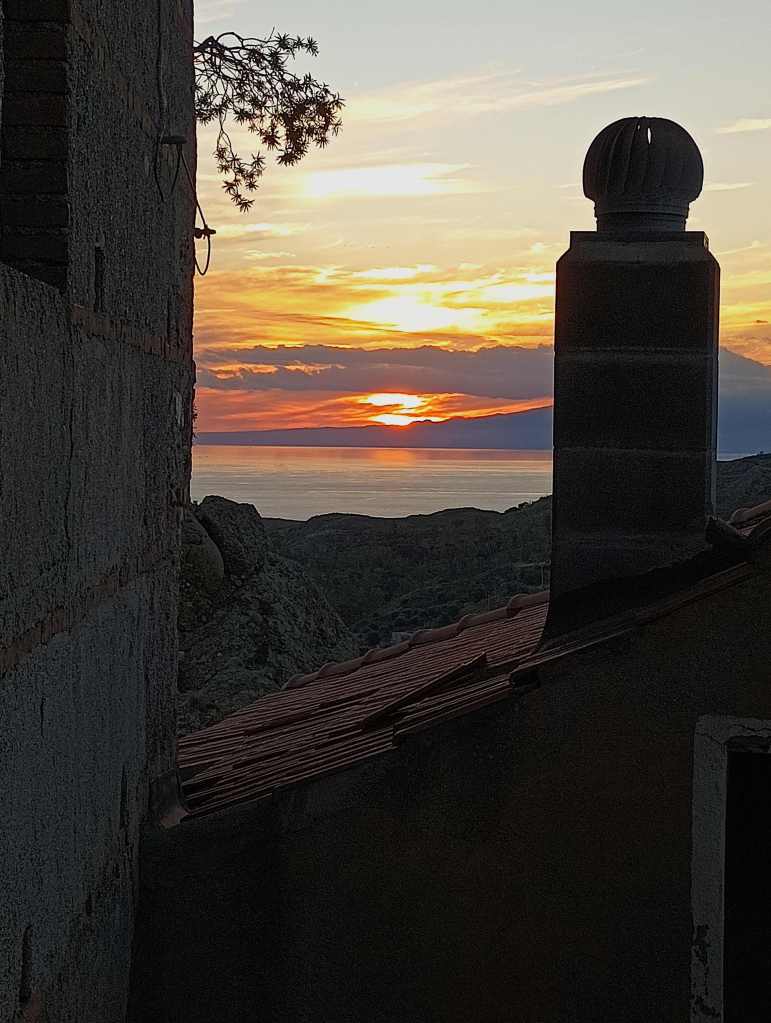
It is, however, a fantastic place from which to watch the sun go down over the Mediterranean!
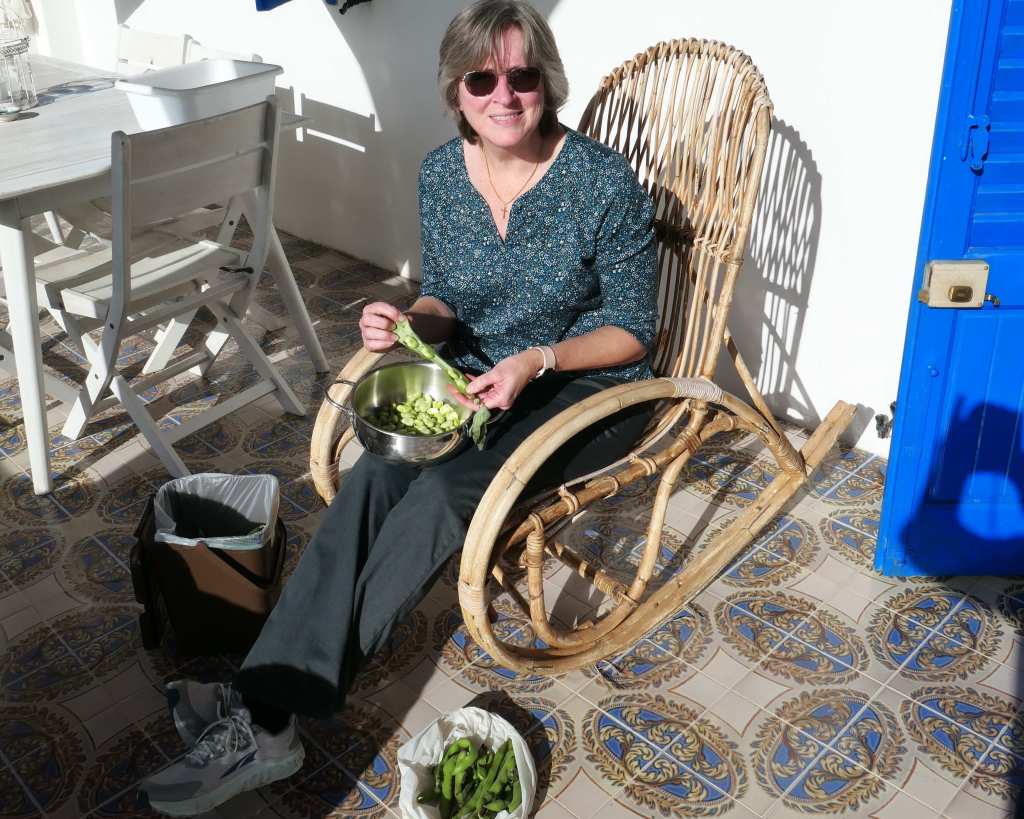
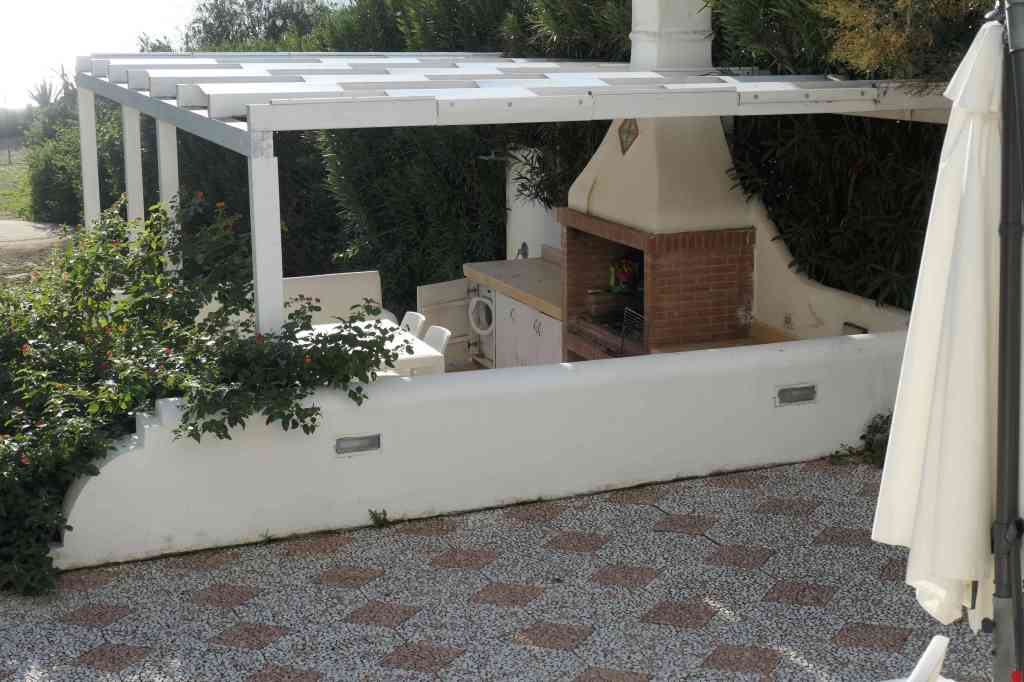
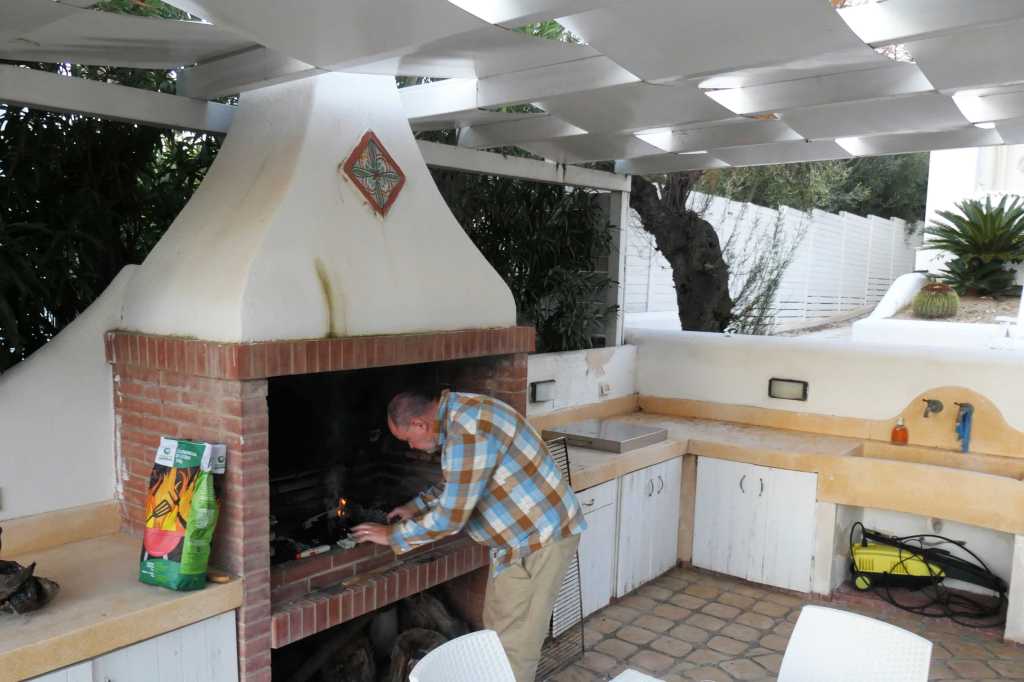
As travelers, what do we do to make ourselves feel at home? We cook! Here we had the perfect place to start, with the popular-in-Sicily but unfamiliar-to-us fava beans. Research time.
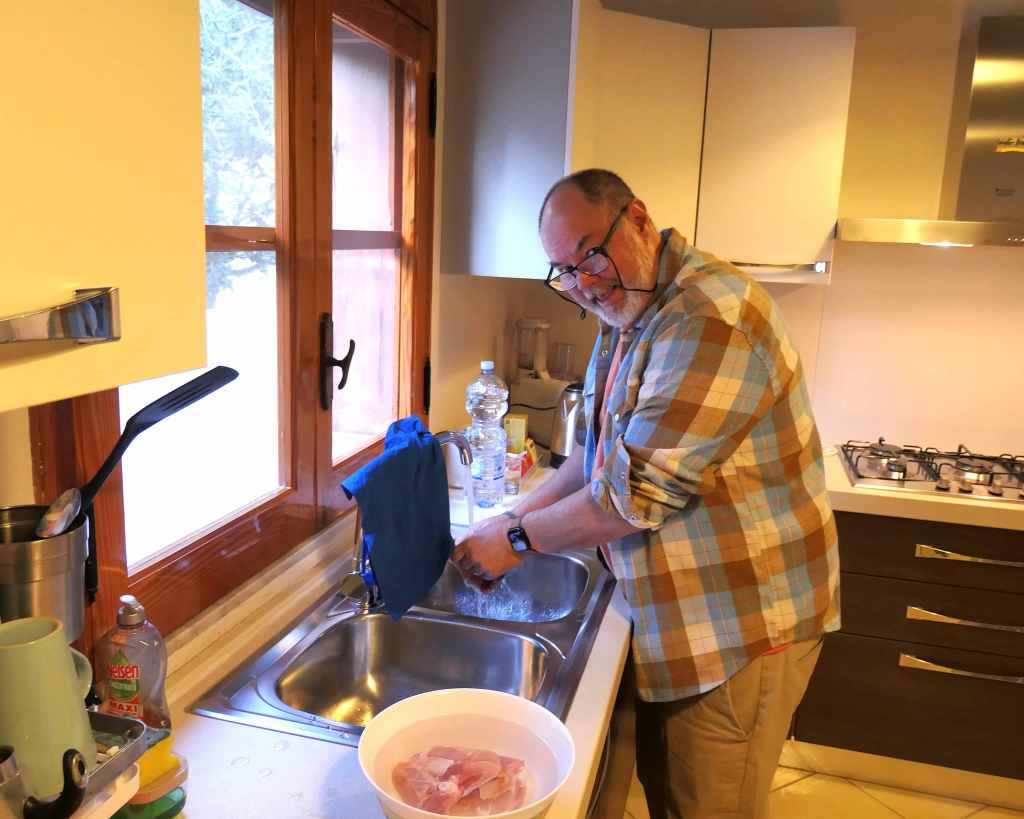
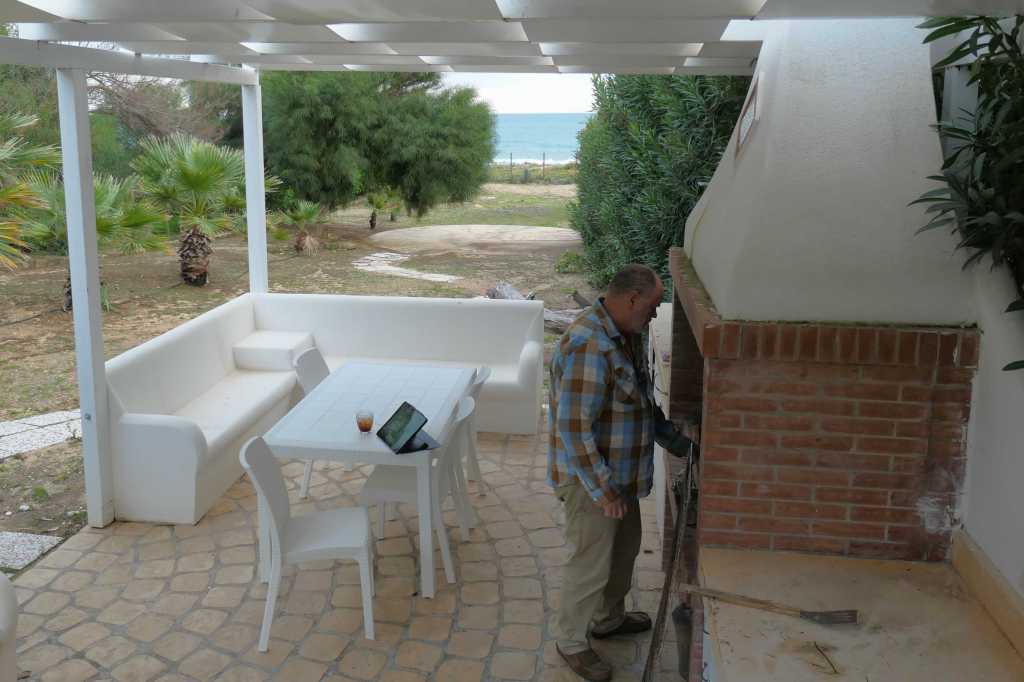

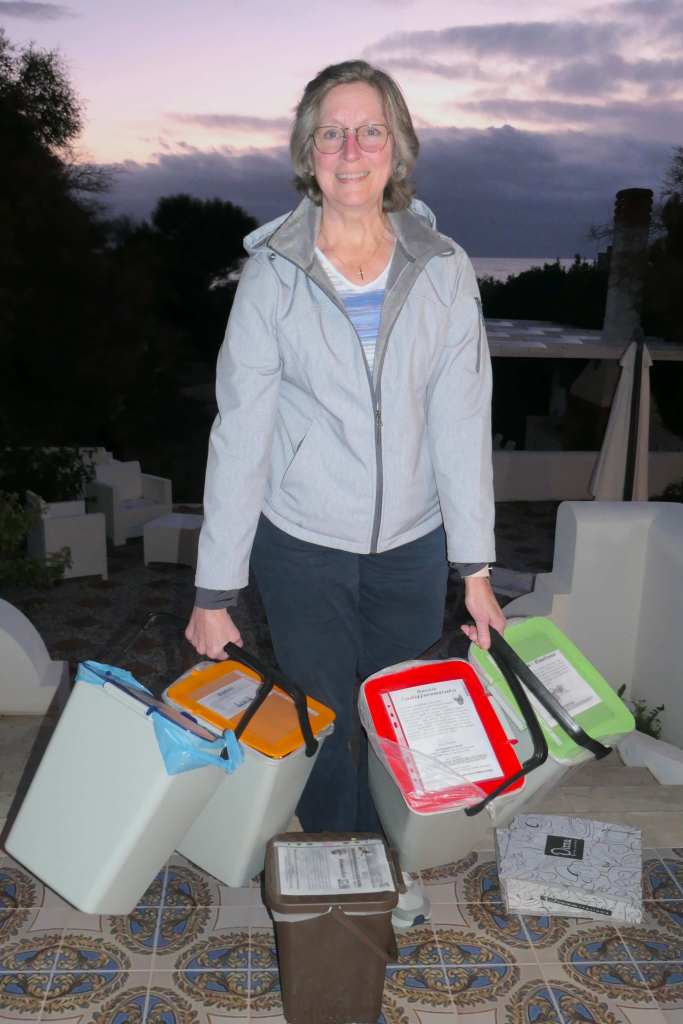
Domestic chores also help us settle into an area. Like elsewhere in Italy, the laundry is interesting, with very small washing machines and typically no dryer. And then there’s the not-so-simple process of taking out the trash, which carries very specific regulations.

A few days later…,
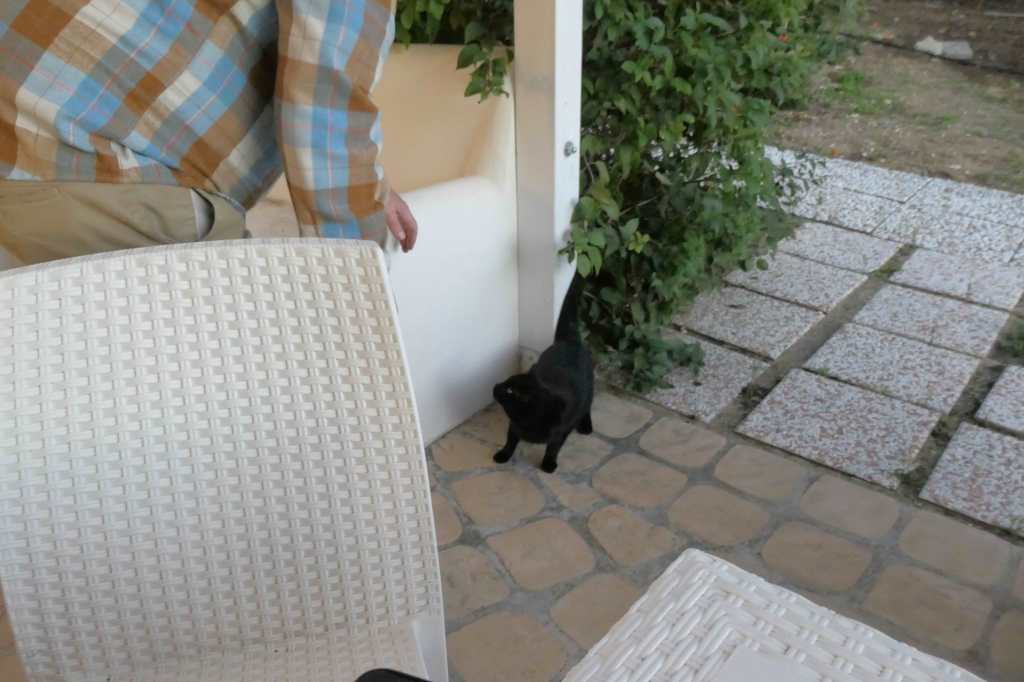

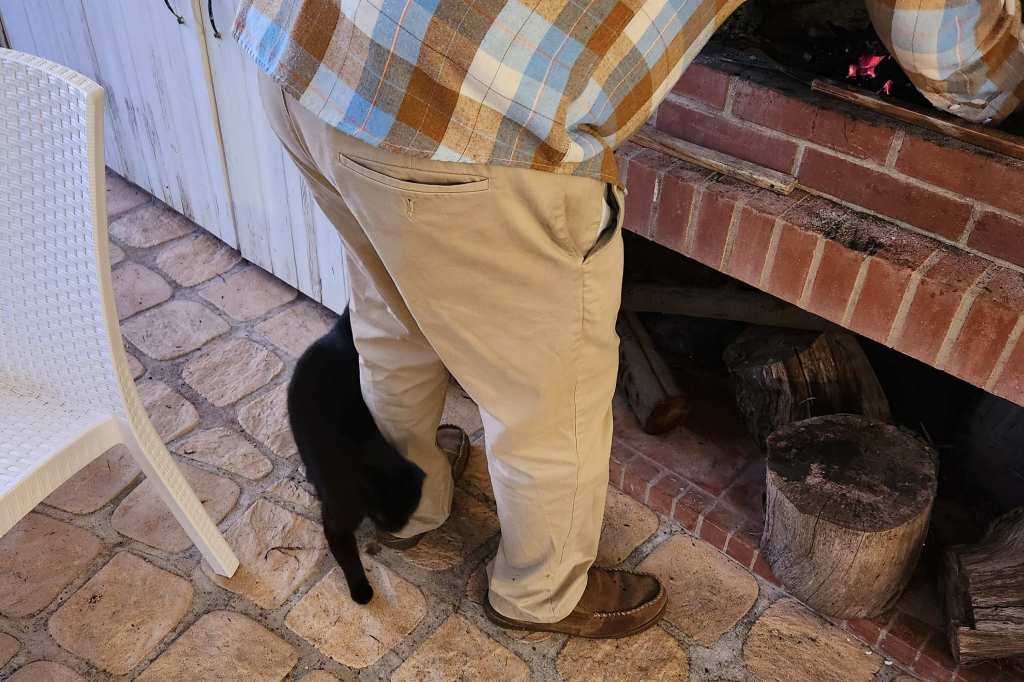
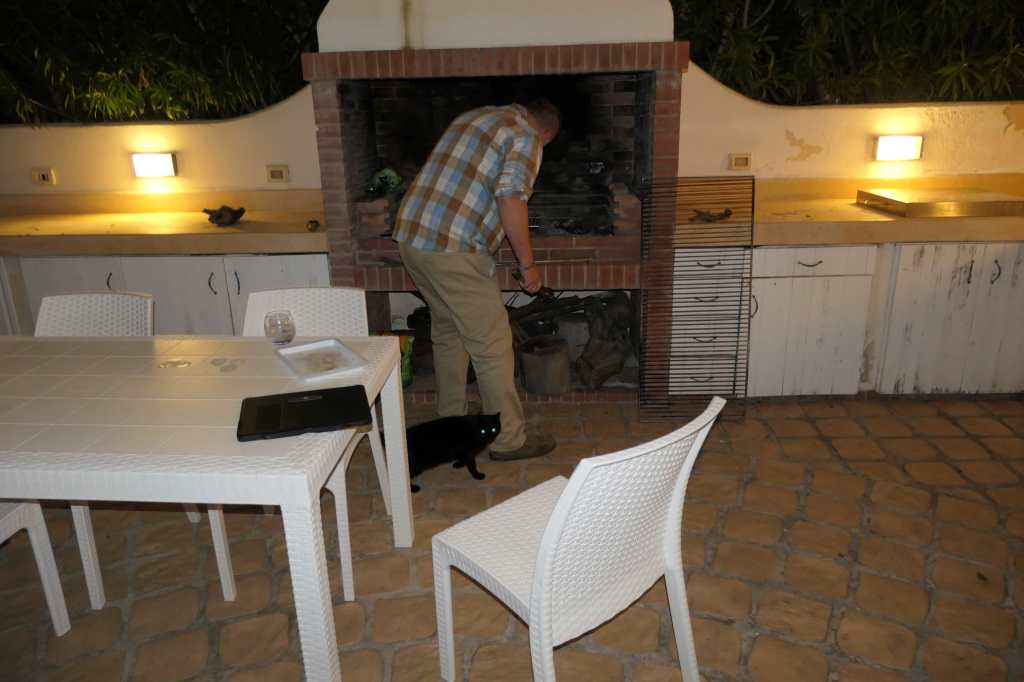
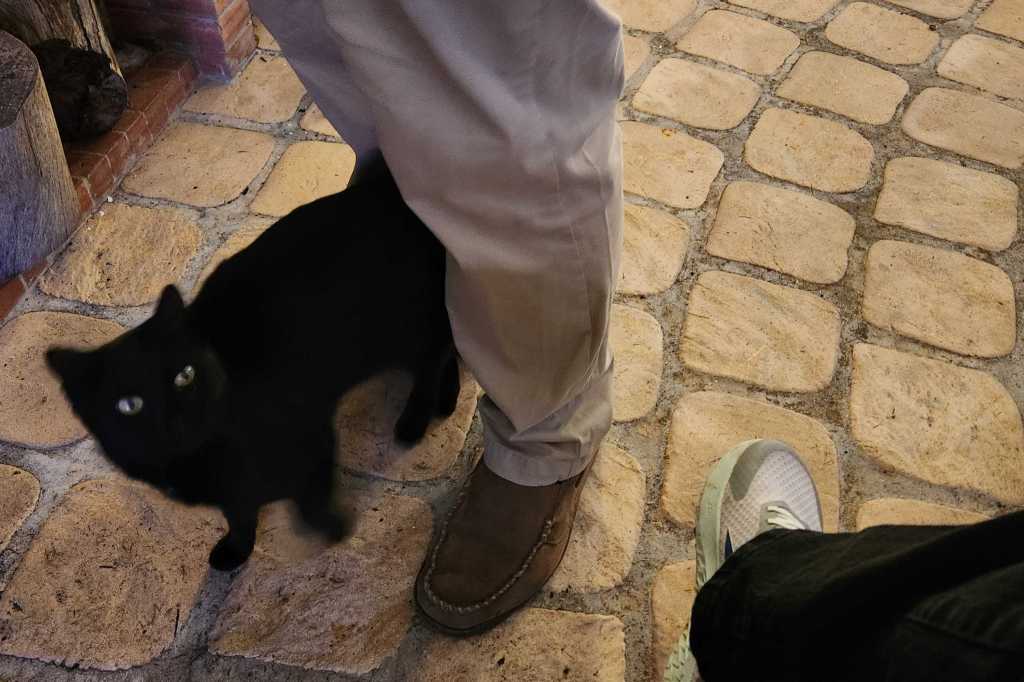
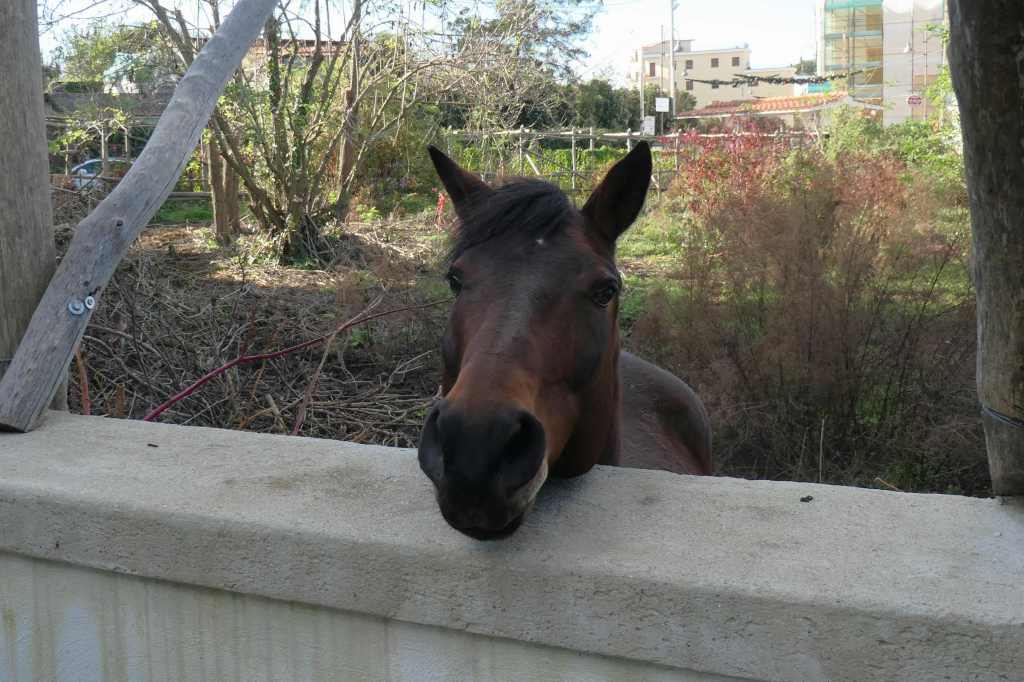
Thanks for the greeting, Sam.























 Our Travels