Elbow Reef Lighthouse

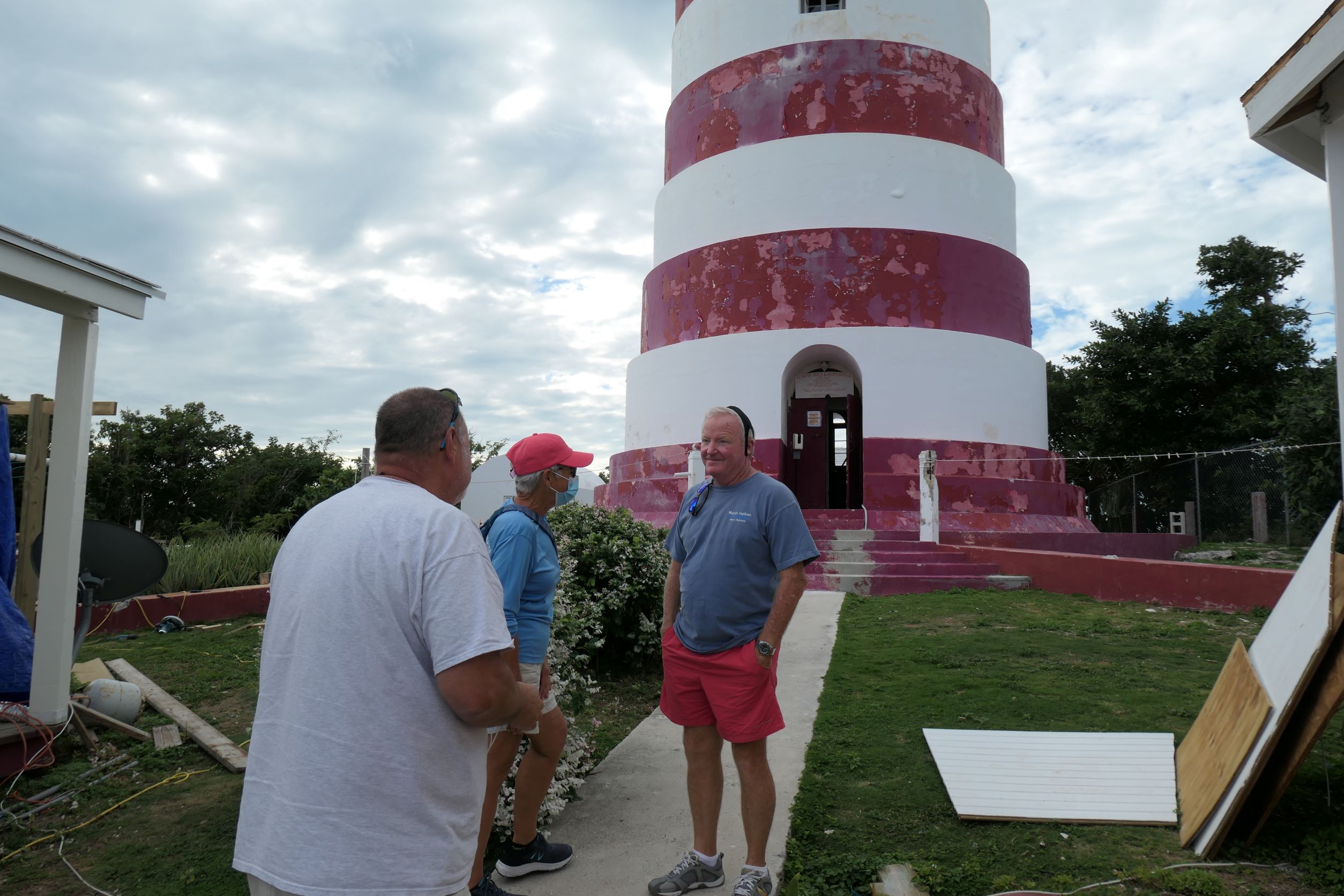
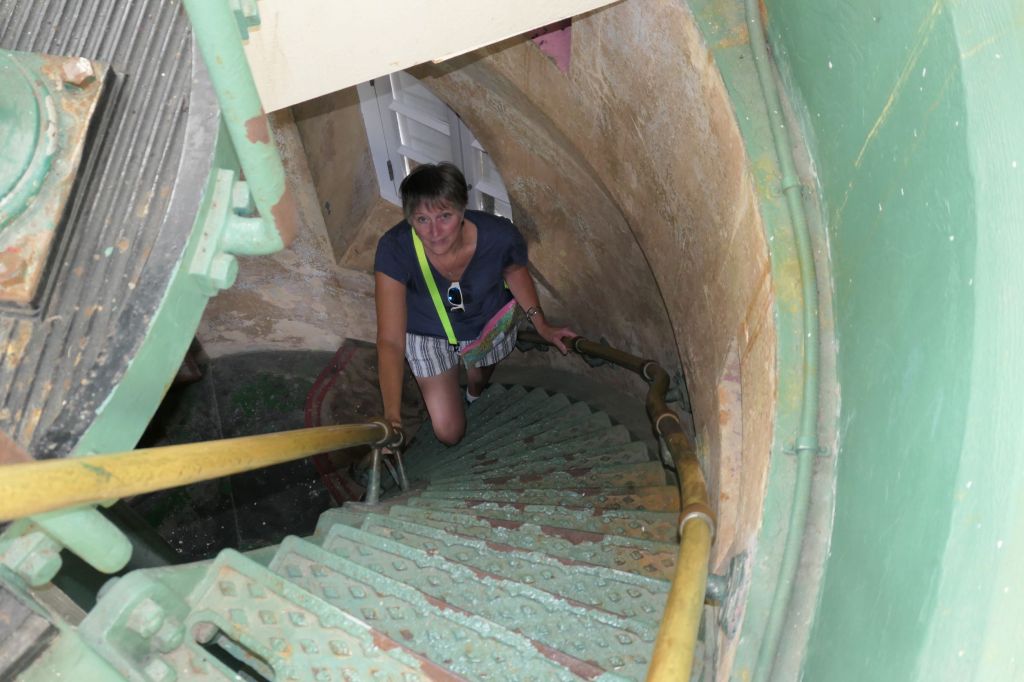
We found a break in the weather yesterday to finally make our visit to the lighthouse. The wind calmed and we dashed over in spitting rain (wipers on sunglasses would come in handy) to meet John and Madeleine from Chanceaux for our climb to the top. Given the weather, we had the lighthouse to ourselves.

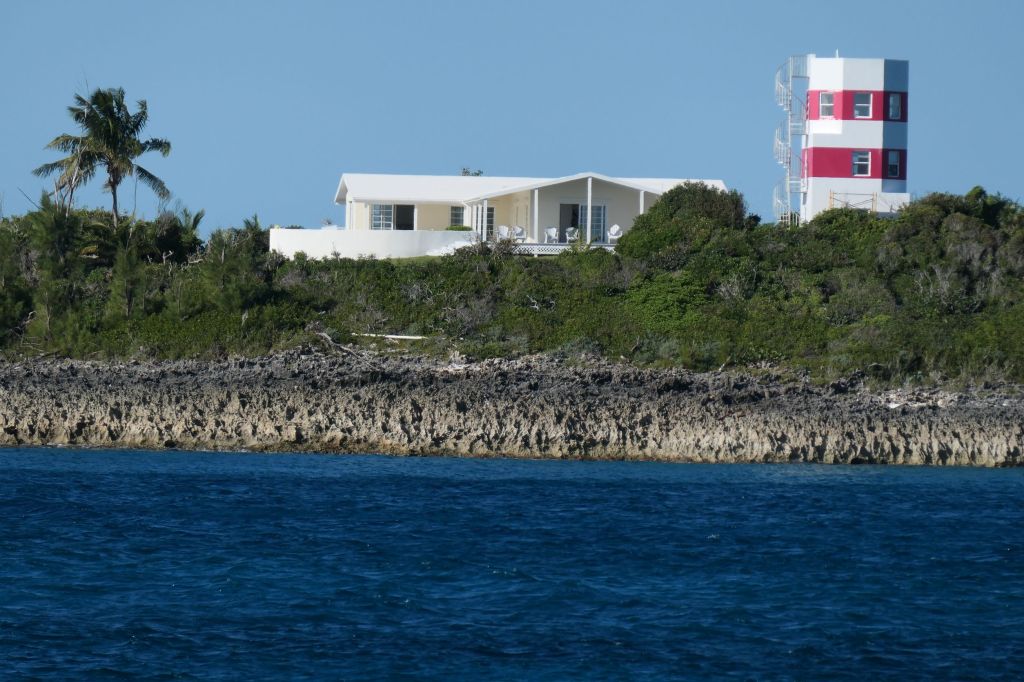
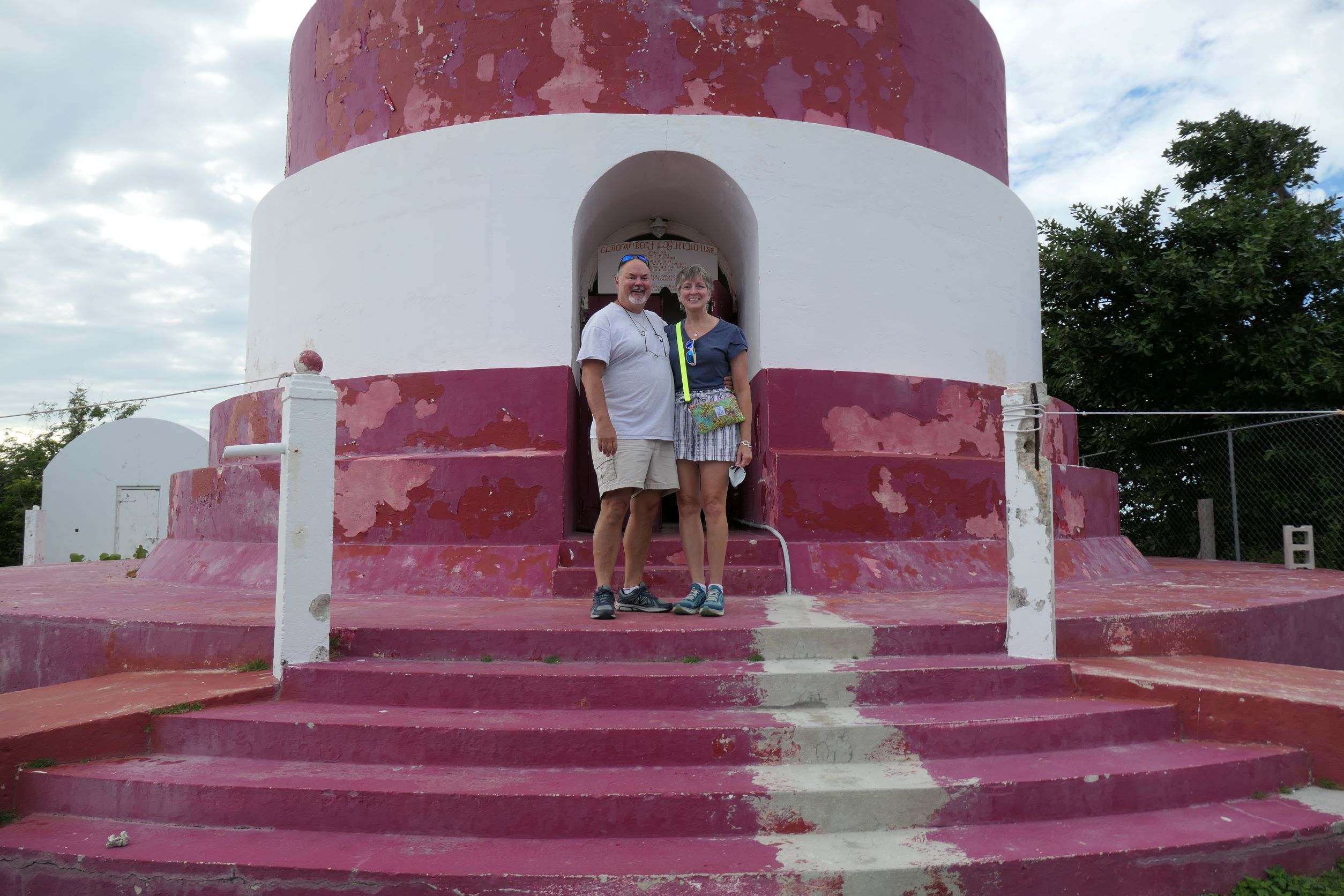
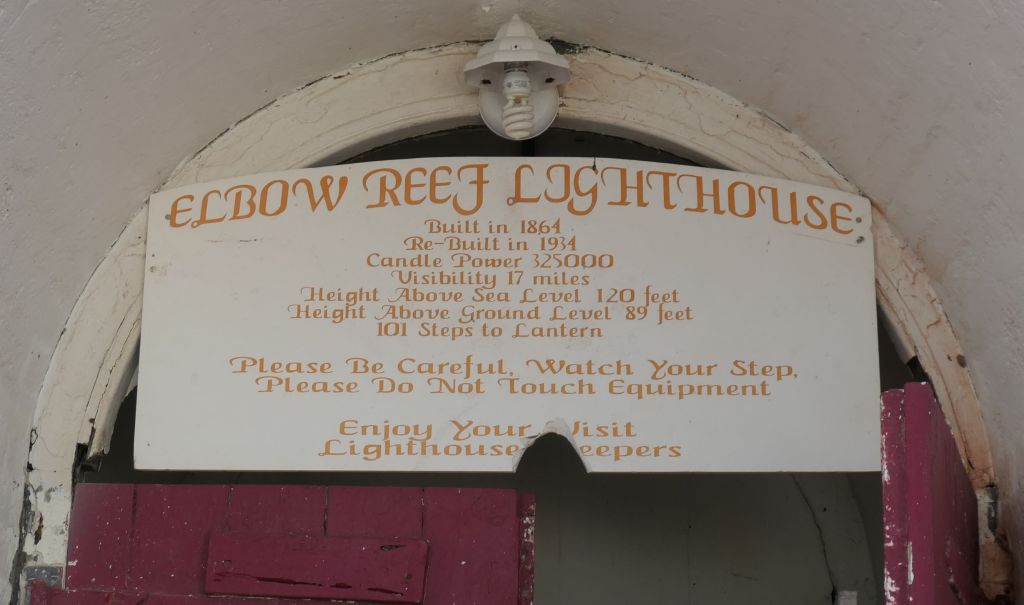
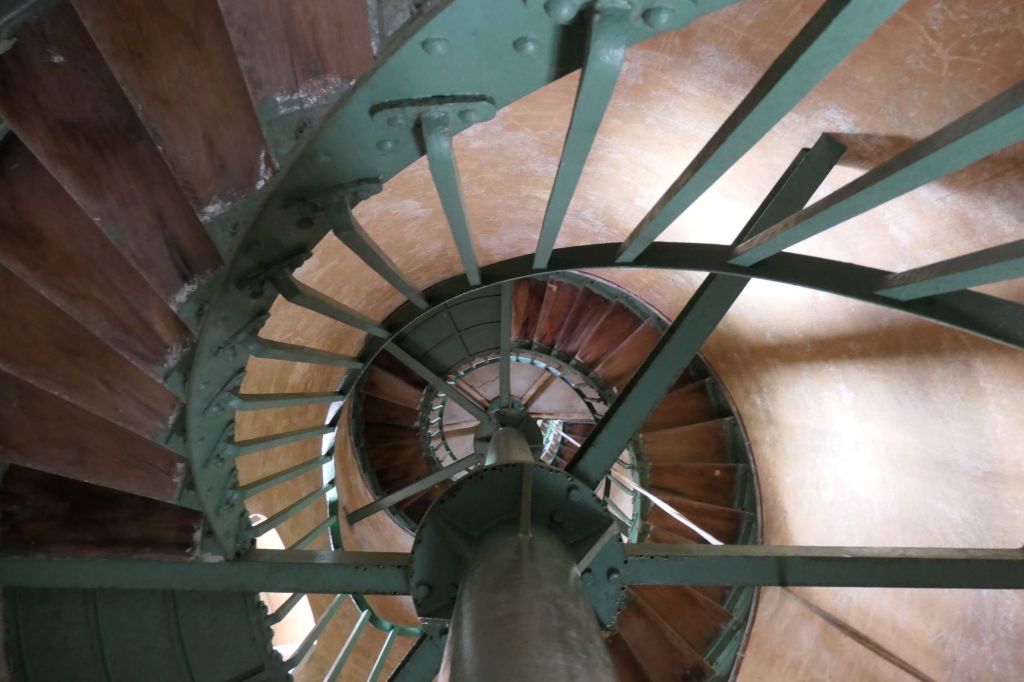
The 89-foot tall, candy-striped lighthouse was built in 1862-1864 out of coral limestone cut from an adjacent quarry. At the time, the local community was opposed to the construction, fearing it would end the lucrative business of “wrecking,” luring ships by lantern light onto the reefs in order to salvage the ships cargo. (Wow – on-shore pirates.) Today, however, the Elbow Reef Lightstation, commonly known as the Hope Town Lighthouse, is a source of pride for Hope Town, Abaco, and all of the Bahamas. They fight for its preservation as the last manually-operated, kerosene burning lighthouse in the world.

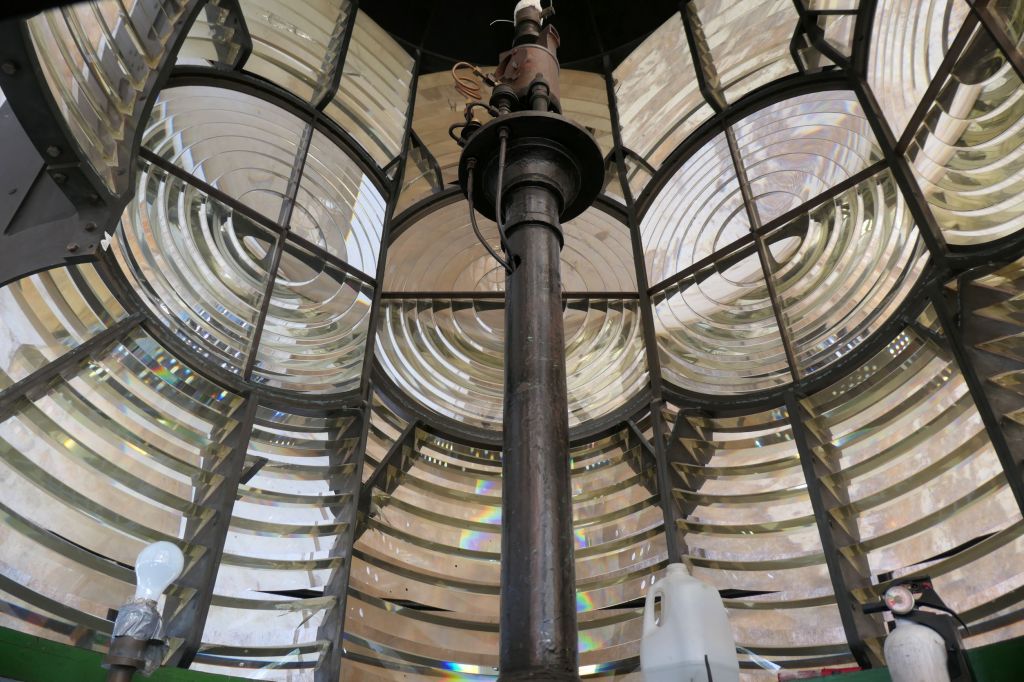
The lighthouse originally showed a fixed, steady white light, but in the 1930’s, the British Imperial Lighthouse Service saw the need for a light which could be more easily identified by ships at sea. They were upgrading other lighthouses throughout the islands, so that brought over a fancier mechanism from Gun Cay and through a major refit the fixed light was replaced by a rotating Fresnel lens to translate a group of five white flashes every fifteen seconds, 120 feet above sea level with a visibility of more than fifteen nautical miles.

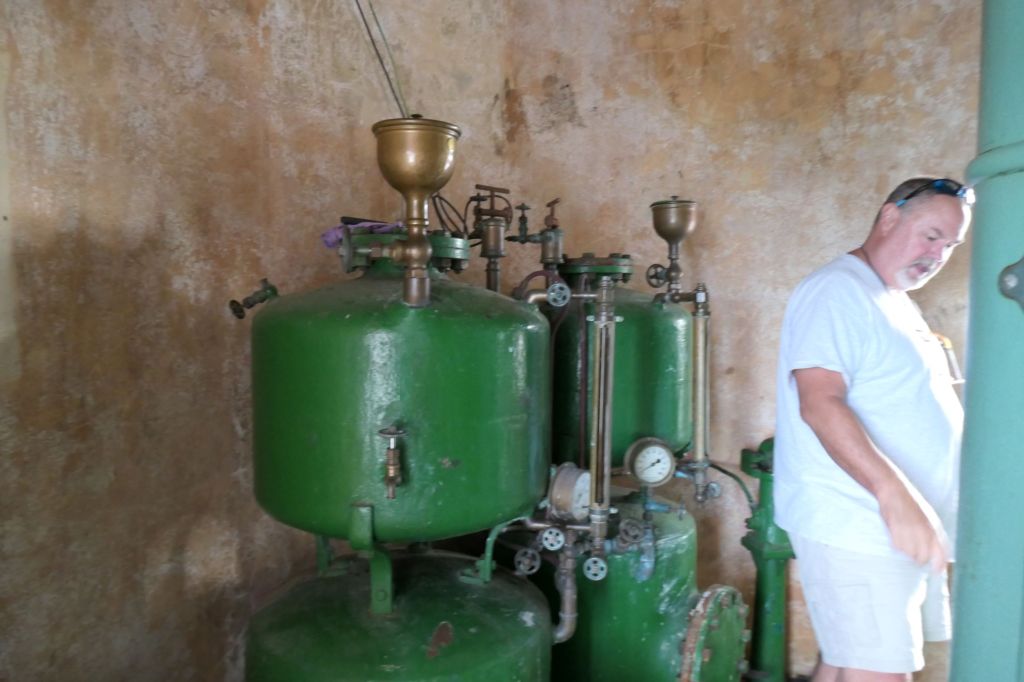
The lens and turning equipment are still in place today. The lighting source is a 325,000 candlepower “Hood” petroleum vapor burner. A hand pump is used to pressurize the petroleum (kerosene) which is in the heavy green iron containers below the lantern room. The fuel travels up a tube to a vaporizer in the burner which sprays into a preheated mantle. (Yep. Just like a giant Coleman lantern!) The Fresnel lens concentrates the mantle’s light into beams that shine straight out towards the horizon, rather than up, down, and all around like a camping lantern.

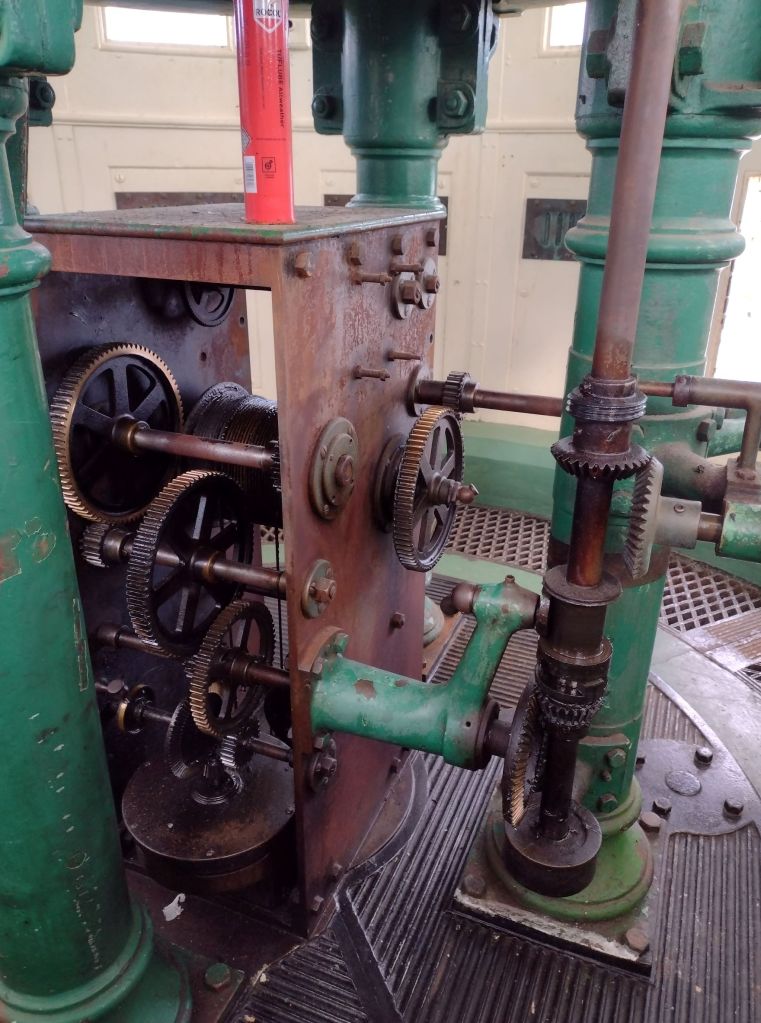
The lens, brass work, and prisms weigh three to four tons and float in a circular tub containing about 1200 pounds of mercury, or “quicksilver.” Weights on long cables are wound up to the top of the tower by a hand winch, and through a series of bronze gears, rotate the heavy apparatus once every 15 seconds. It works like a gigantic grandfather clock, and the keeper on duty has to wind up the weights every two hours. The lighthouse operates without electricity and continues to shine exactly as it has for almost 80 years!

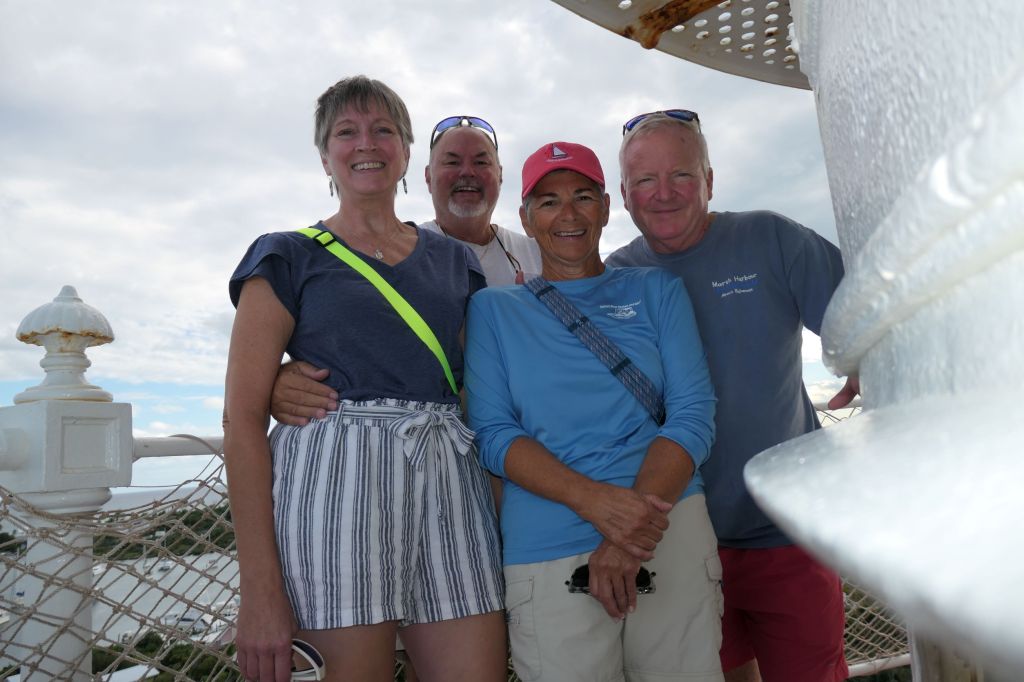
All smiles at the top. Please don’t make us wind the works. Well, Todd and John would probably know what to do, and Madeleine and I are willing helpers, but it would be a long night.

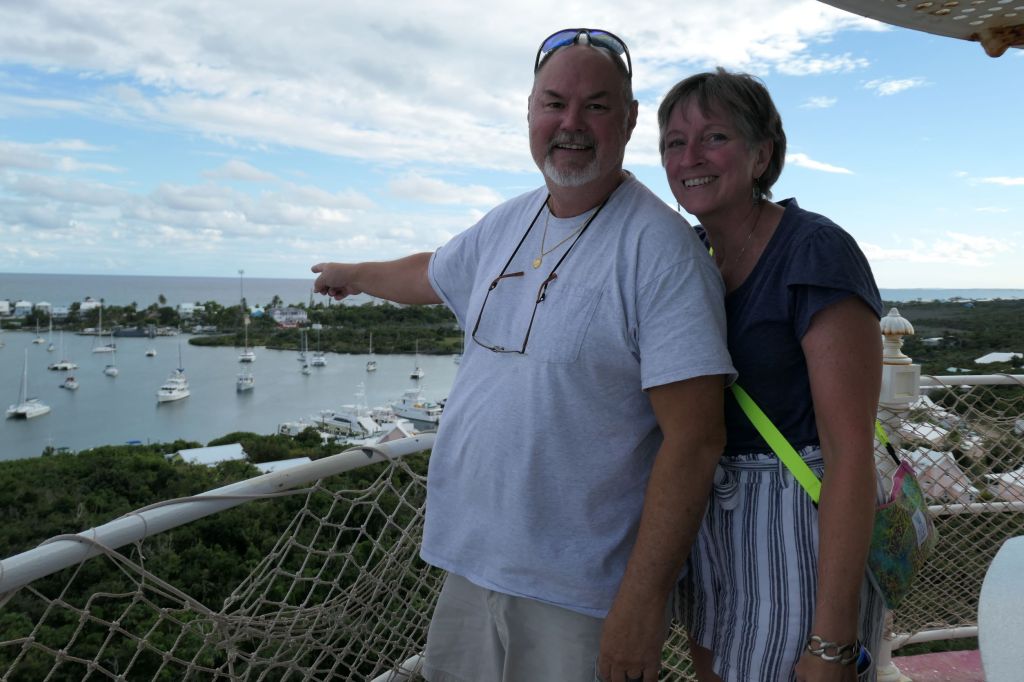
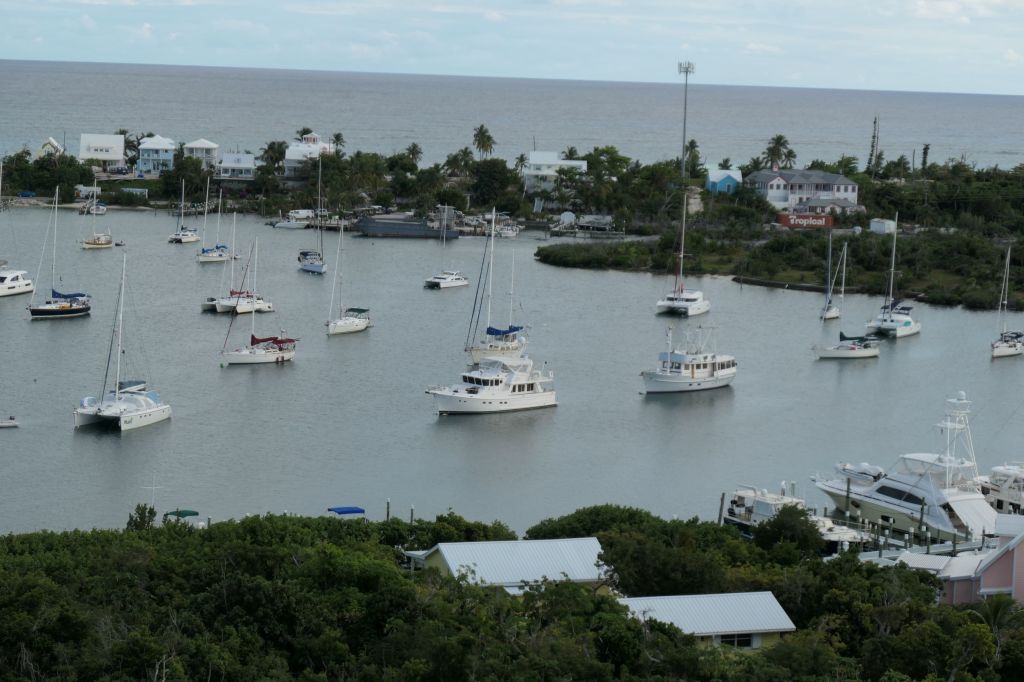
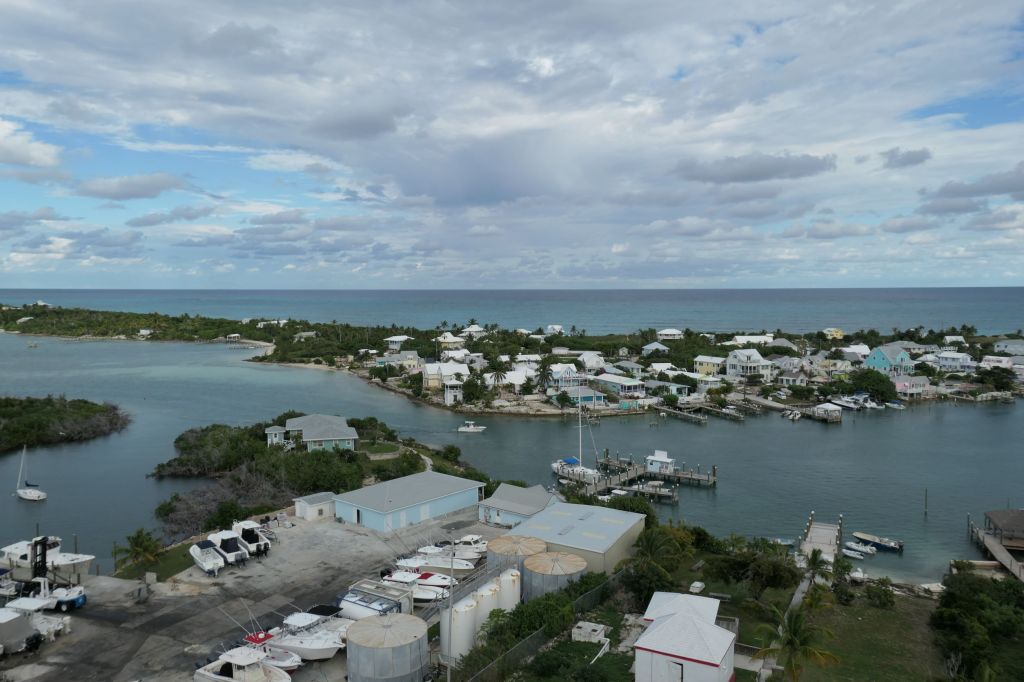
Speaking of the harbor, here’s a great view of the narrow entrance channel referenced in an earlier post. Going out at high tide when the time comes.


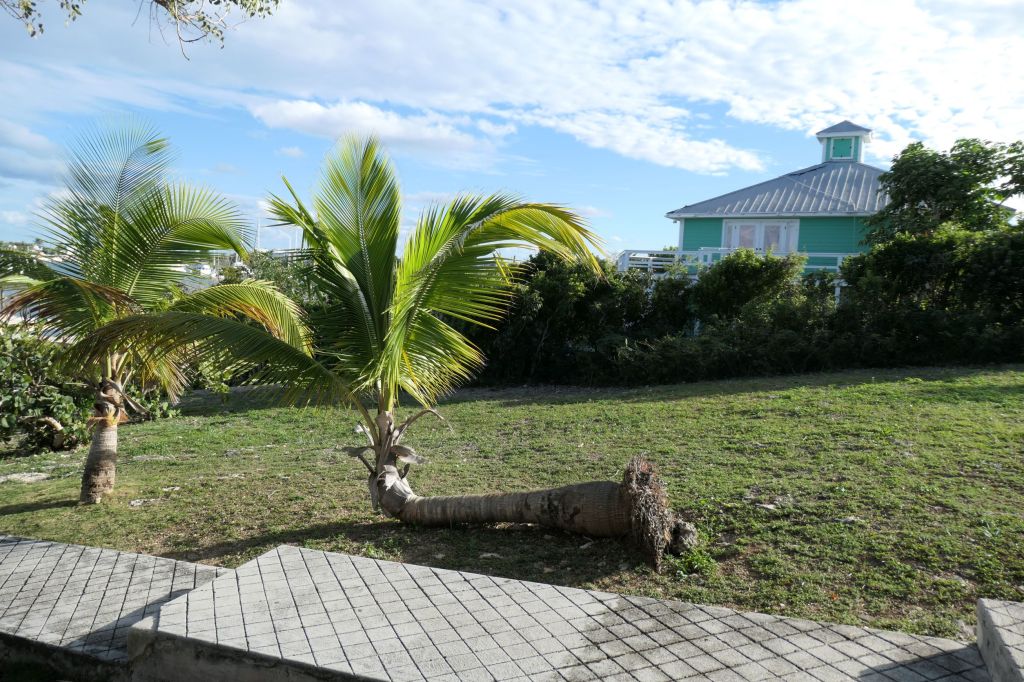
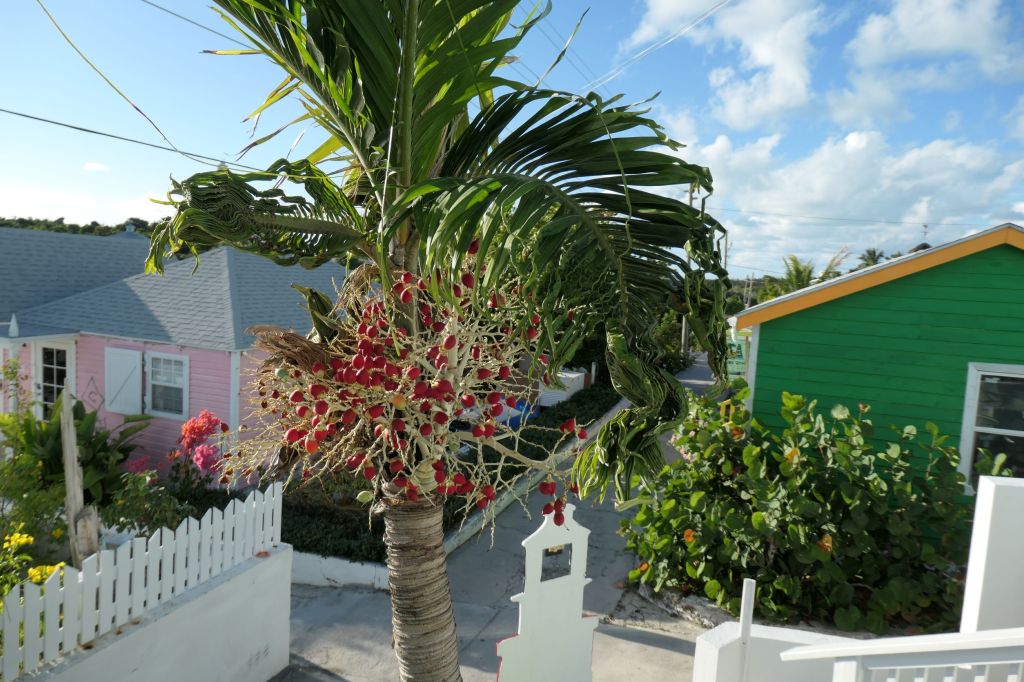
Some more for the plant people:

Who left the refrigerator door open?

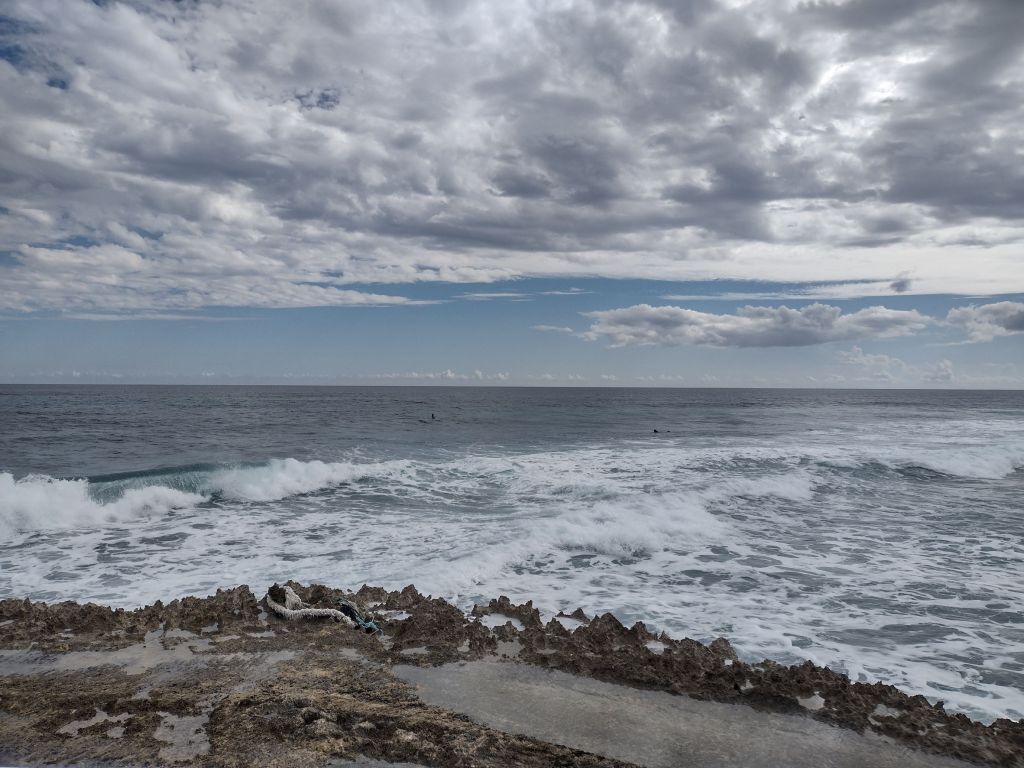
Oh, the weather outside is frightful… We realize you don’t want to hear it and there certainly won’t be any sympathy, but it’s kind of chilly here. Part of the reason to head to the islands during winter is for warm weather and swimming! When you’ve been lounging around for weeks in nice temps, any lowering of Earth’s thermostat is noticed. For the past two days, we’ve been hunkered down in the boat hiding from the weather y’all are sending our way. First, wind (steady 10-15 knots, gusts to 30), then rain (off and on, that’s okay because the windows are closed anyway!), but the air? Brrr! Oh, and the water temp? Akin to a Florida spring, a chilly 72 degrees! We had to break out the long pants! And the forecast for early next week calls for lows in the LOW FIFTIES. What the heck? We are in the Caribbean, right??

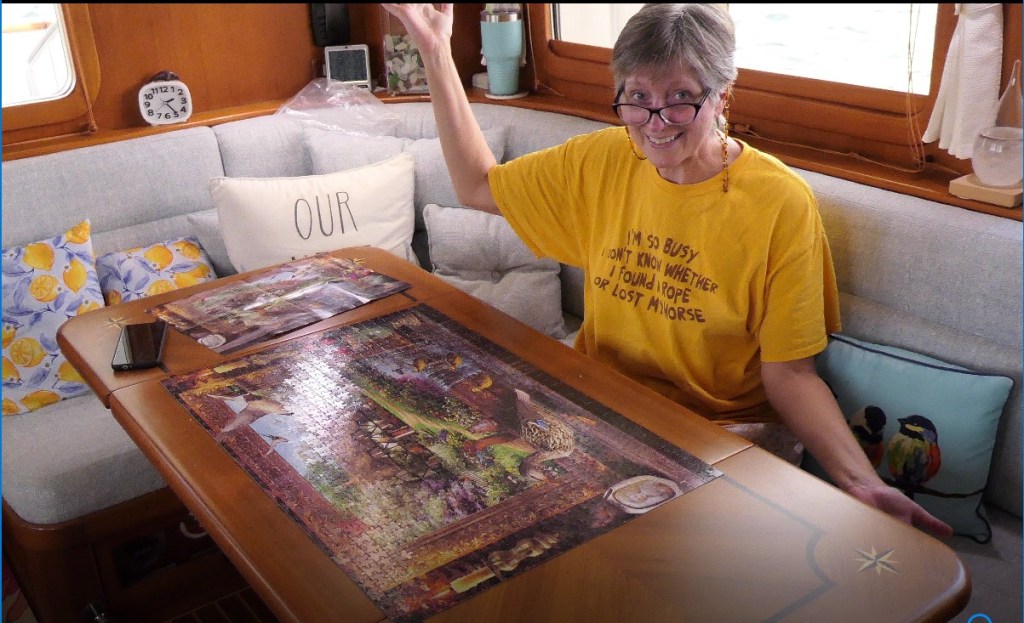
I’m done with my puzzle, Honey. What’s next?
Oh, and how about that diesel heat…?

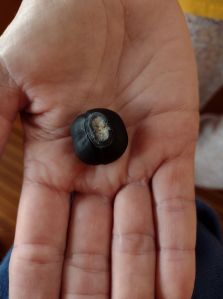
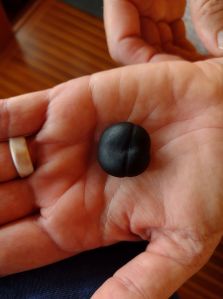
A Sea Bean!

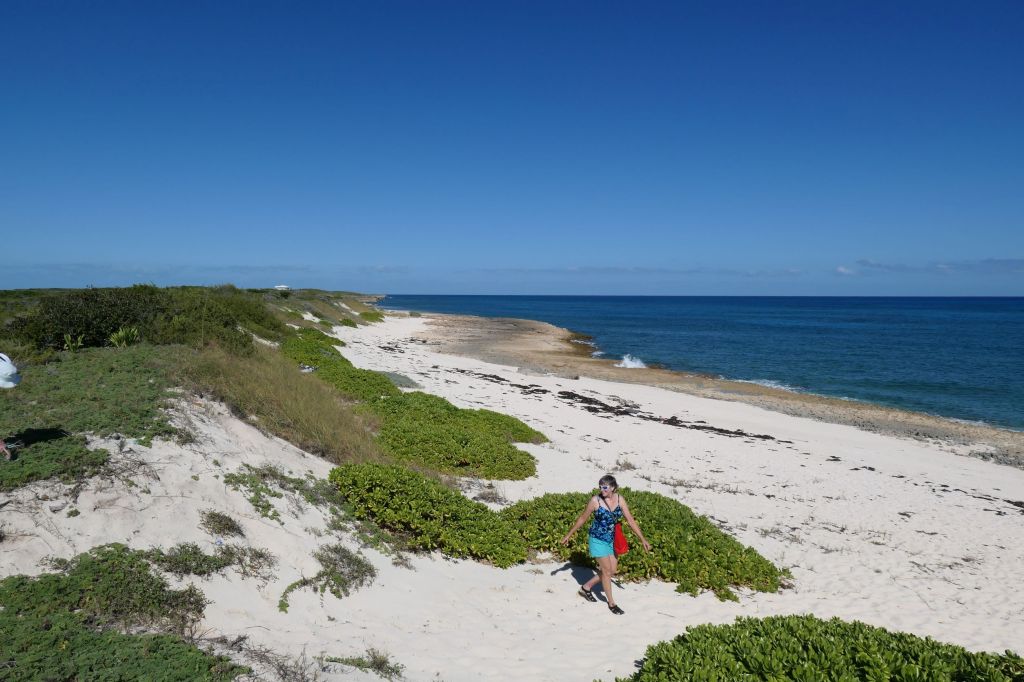
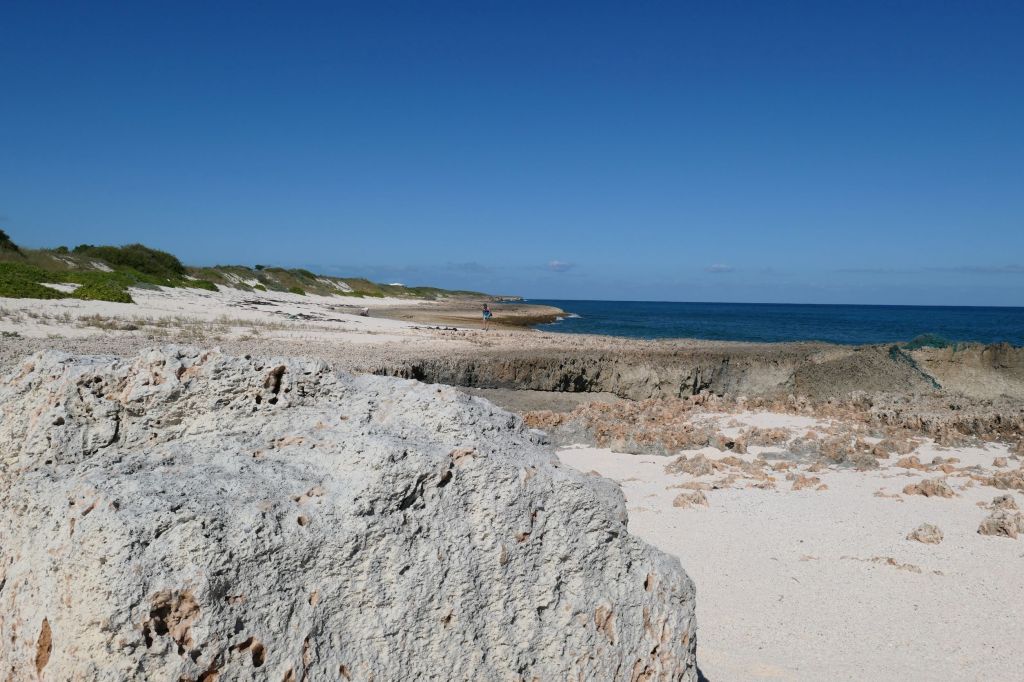
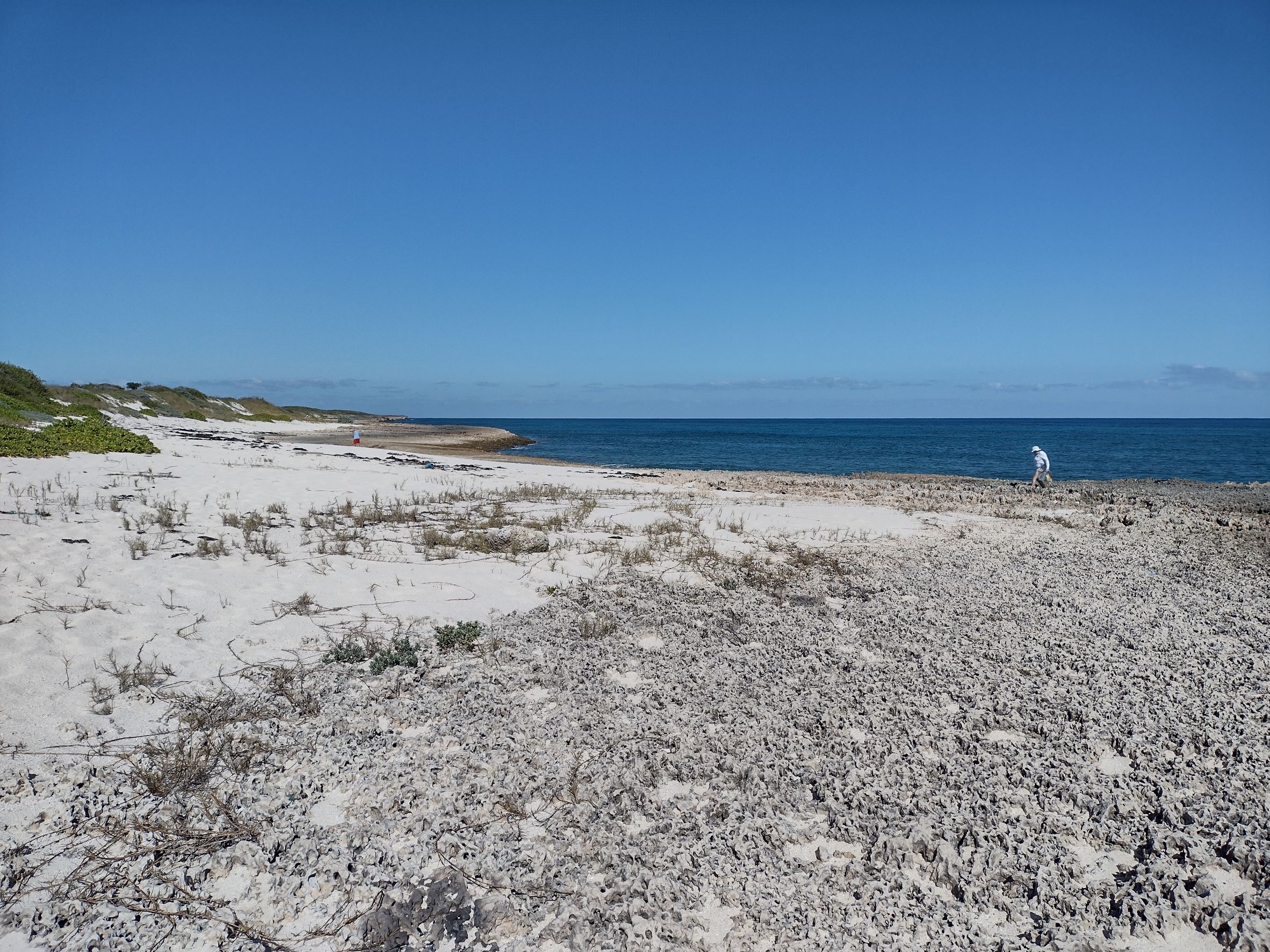
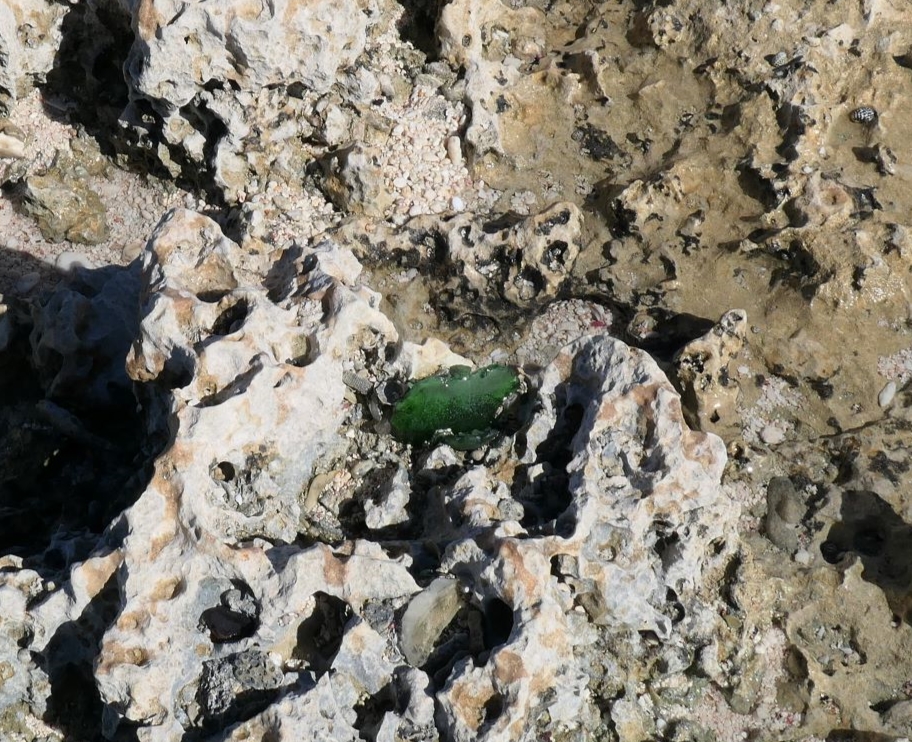
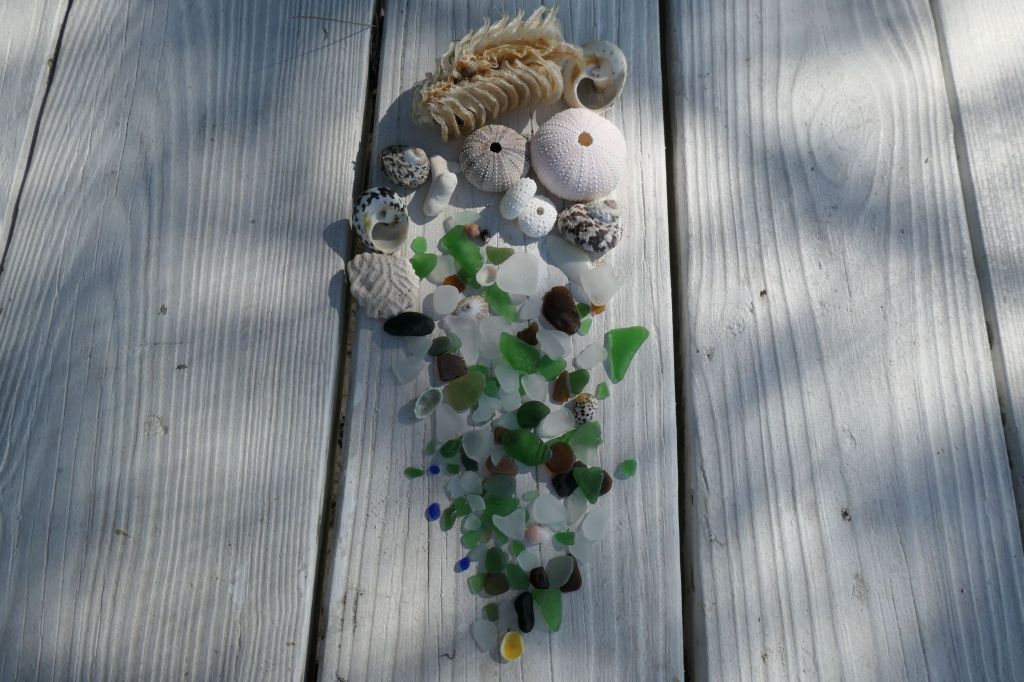
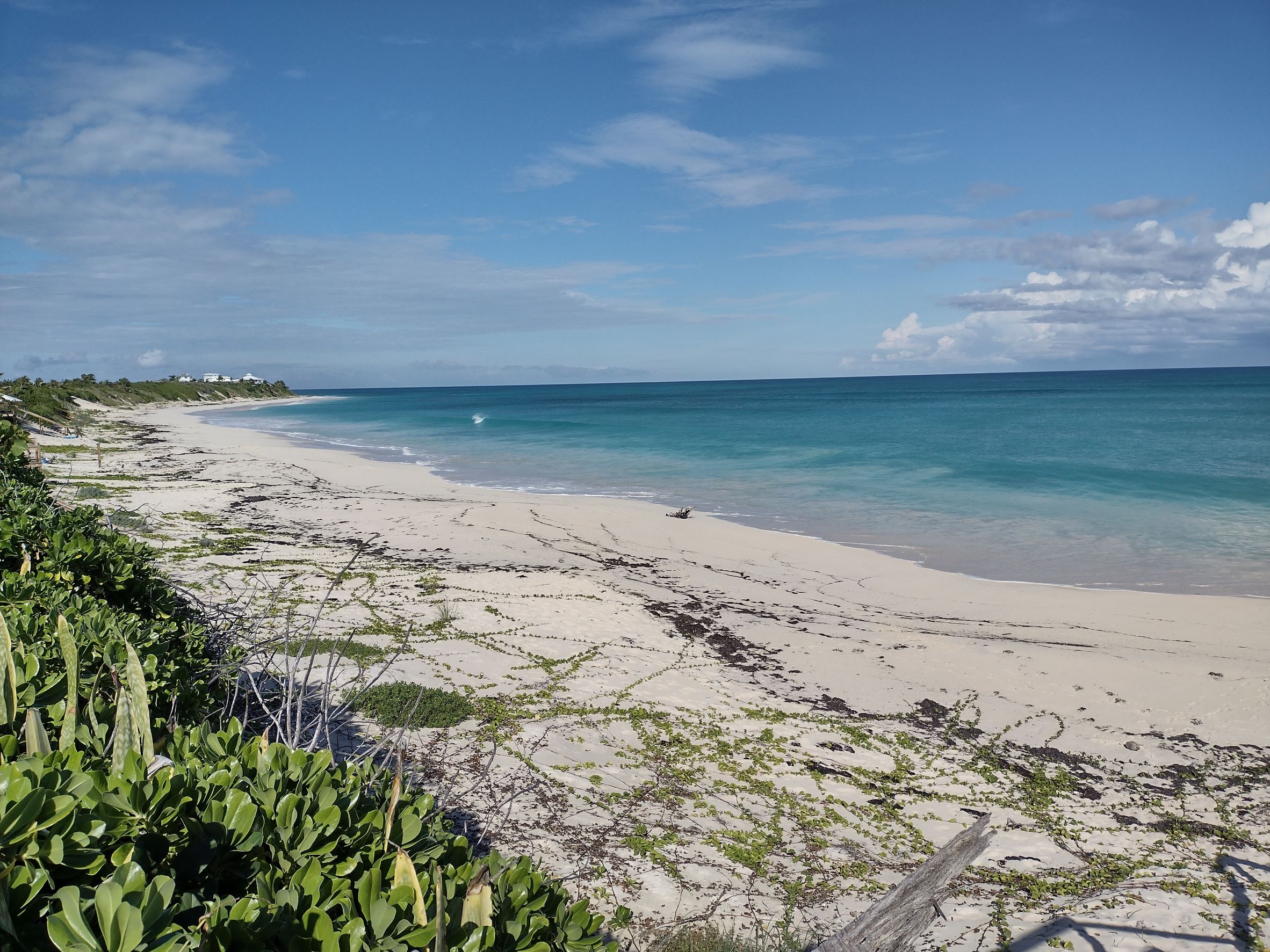
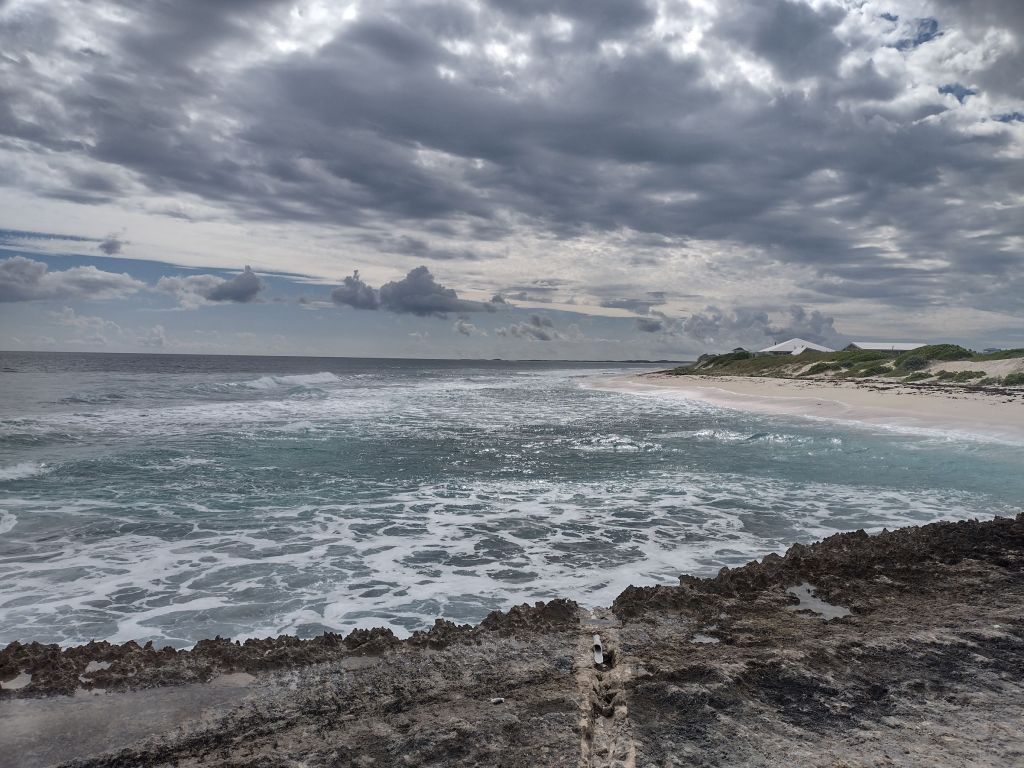
Since getting to the islands AND having the boat not needing lots of attention (shush, she might be listening), we’ve tended to sleep in a bit later than usual. The other night we watched the Hopetown Lighthouse come alive! Each night at 1800, the town’s church bells play for about 5 minutes, after which the keeper lights the light and a few minutes later it slowly starts its’ revolutions. We are enjoying that when Susie says, “I still want to walk that beach to look for treasures.” Hence Monday morning at 0615 Todd’s internal clock, which is not nearly as reliable as it once was, kicks in and he nudges and says, “beach?” Naw, another half hour. Todd’s snooze is set and approximately 30 minutes later, another nudge and we are off to the beach. Just after sunrise Monday morning, we walked the beach directly across the island from Cap’n Jacks, past the cemetery, and down the big dune. Sure enough, we found a couple pieces of sea glass, along with a couple pieces that had to be tossed back in for more “polishing.” Then, lo and behold, after a good 3/4 mile walk down the beach, coming back along the seaweed line further up the shore, our lucky Susie finds a Sea Bean! Merremia discoidesperma, to be exact, aka Mary’s Bean (or Crucifix Bean due to the cross-shaped indentation on the back side). Mary’s Beans come from a tropical vine in the morning-glory family that grows in the rain forests of Mexico or Central America, and they hold the record for the greatest documented drift: 15,000 miles. Knowing this precious little guy drifted thousands of miles to a beach where God knew she was going to pick it up gave her goosebumps!

For those who may be interested, here are links to a bit more information: https://www2.palomar.edu/users/warmstrong/plmay96.htm
http://www.seabean.com/guide/Merremia_discoidesperma/

And then, Monday night we watched Georgia beat Alabama in the national championship. Go Dawgs! Woof Woof Woof! Talk about a lucky day! Sorry, Louis and Lisa…

Around Elbow Cay

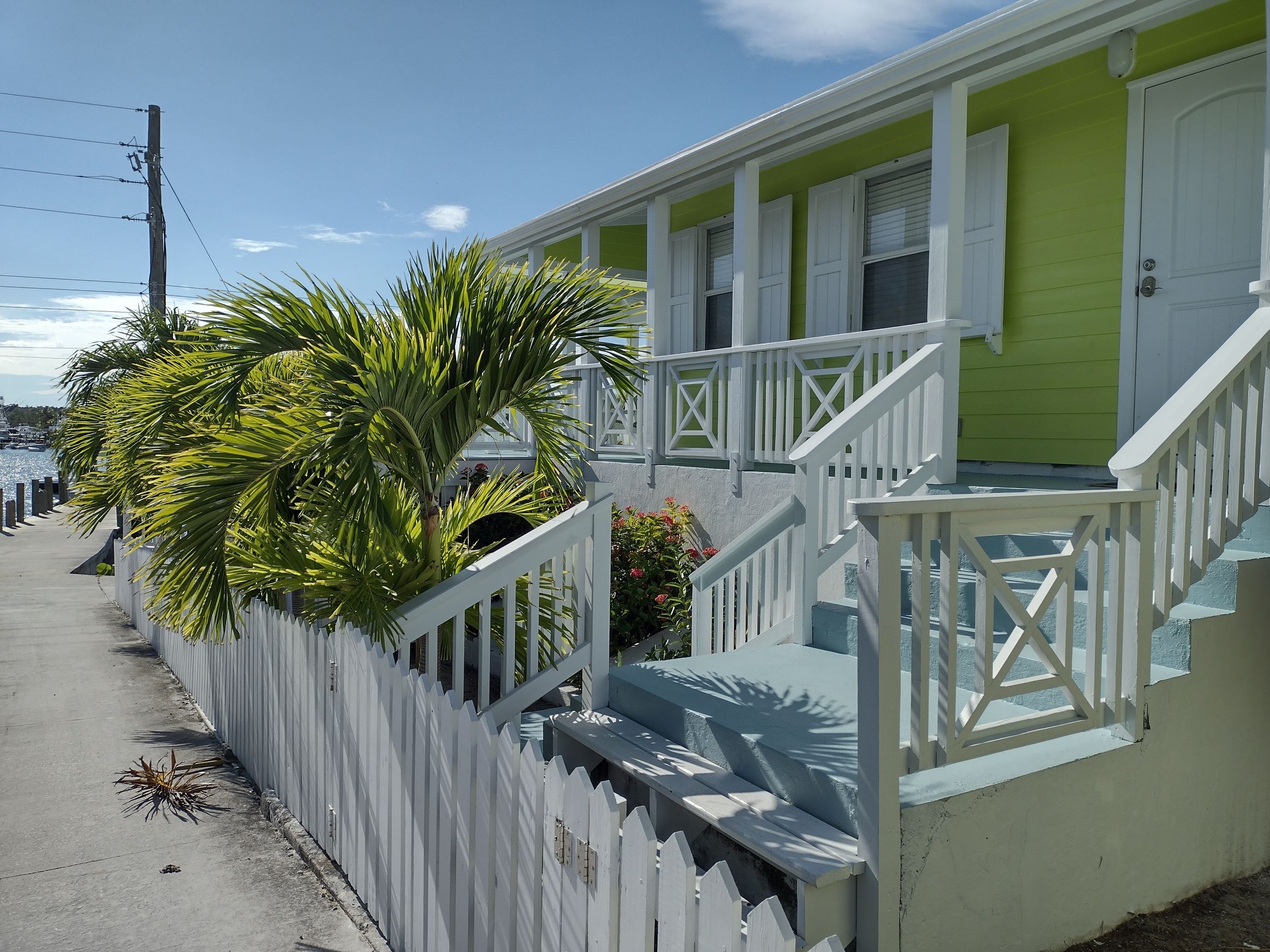
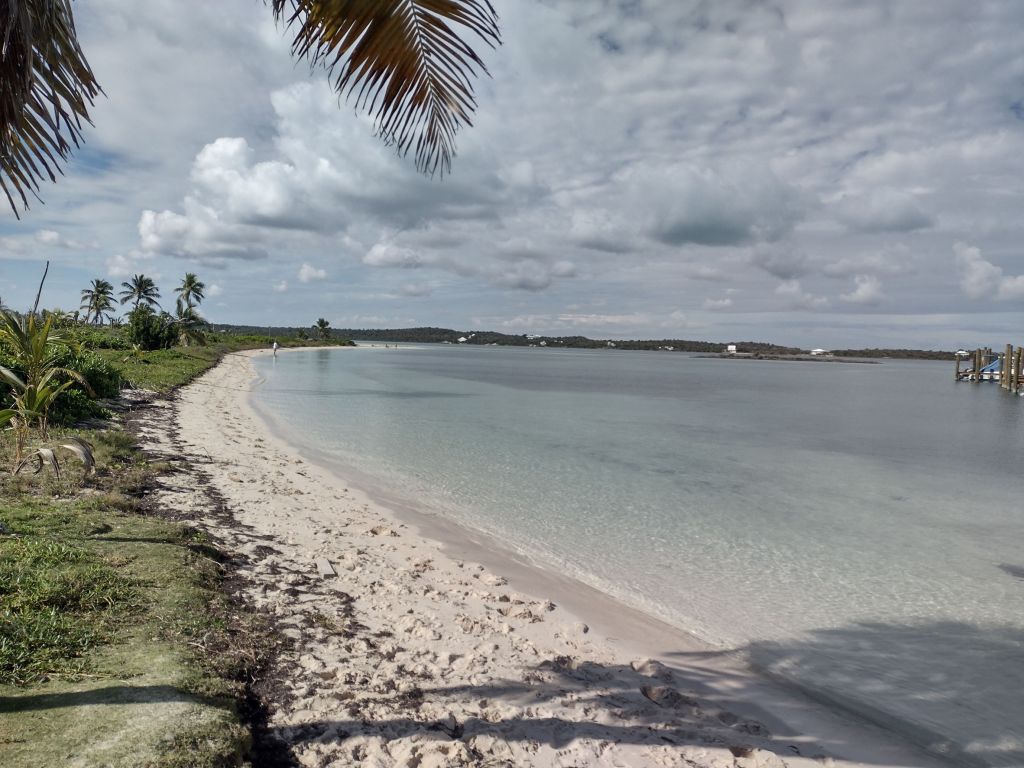
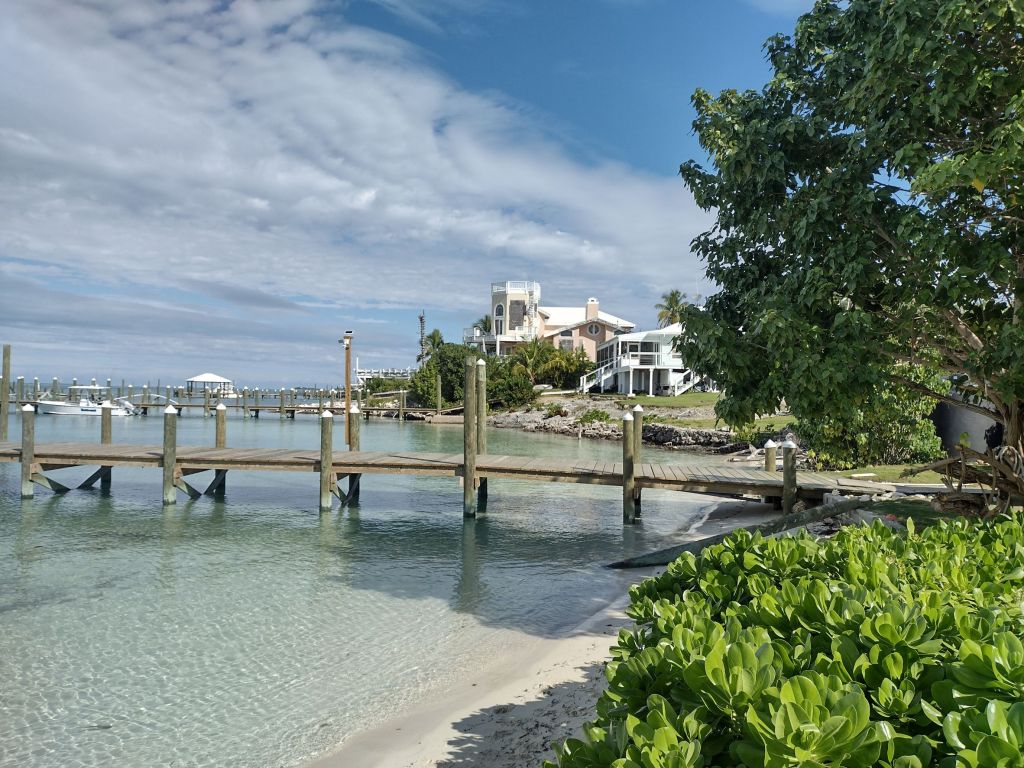
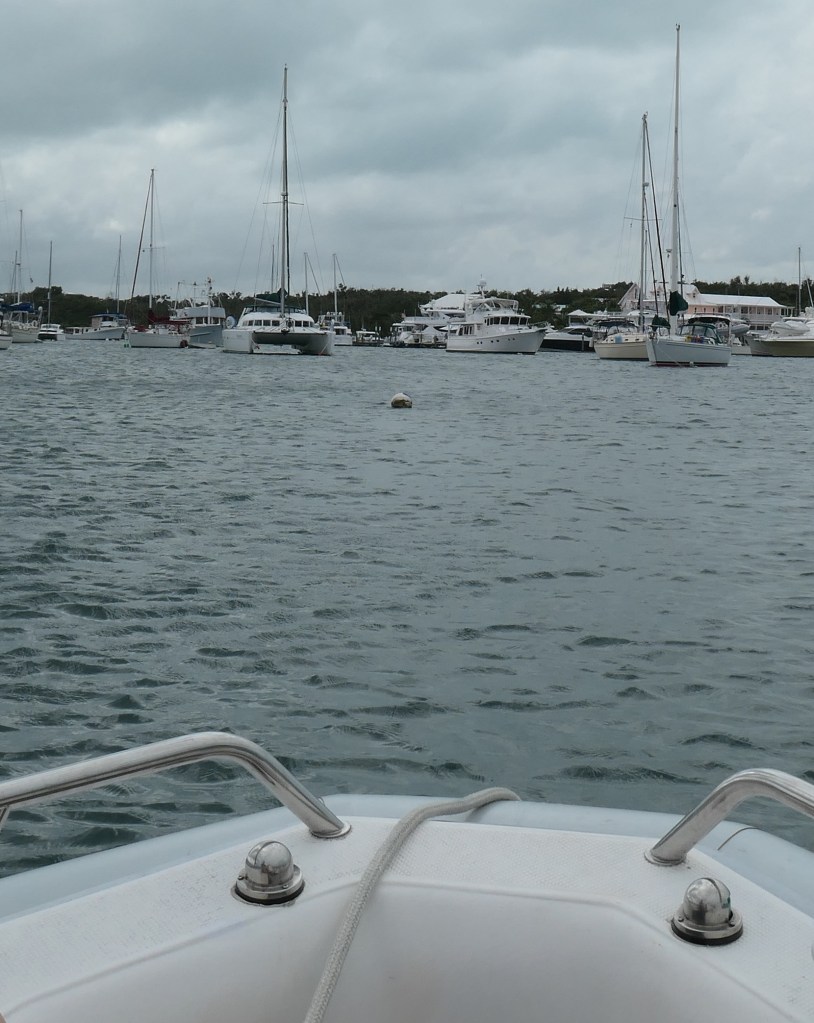
Dave & Peggy have been showing us around. After we moored on the 6th, they showed us the harbor via dinghy, and we tied up at a dinghy dock to take a walk. At the end of the street past Cap’n Jacks, Dave wanted us to see the two triangular range finders that mariners line up on approach in order to locate the center of the narrow channel. They are even lighted; well, they’re outlined with strings of small LEDs, like Christmas lights. If only we’d known they were there. LOL Kidding. Thankfully, we have a fancy electronic chart plotter and two different tablets running backup apps to navigate the channel! Walking among the pretty houses, I can’t wait to walk the beach. It’s empty? Where is everyone? We can’t possibly be the only beachcombers around here.


On Friday, they rented a golfcart to show us more of the island. Remember: Drive on the left. Drive on the left.


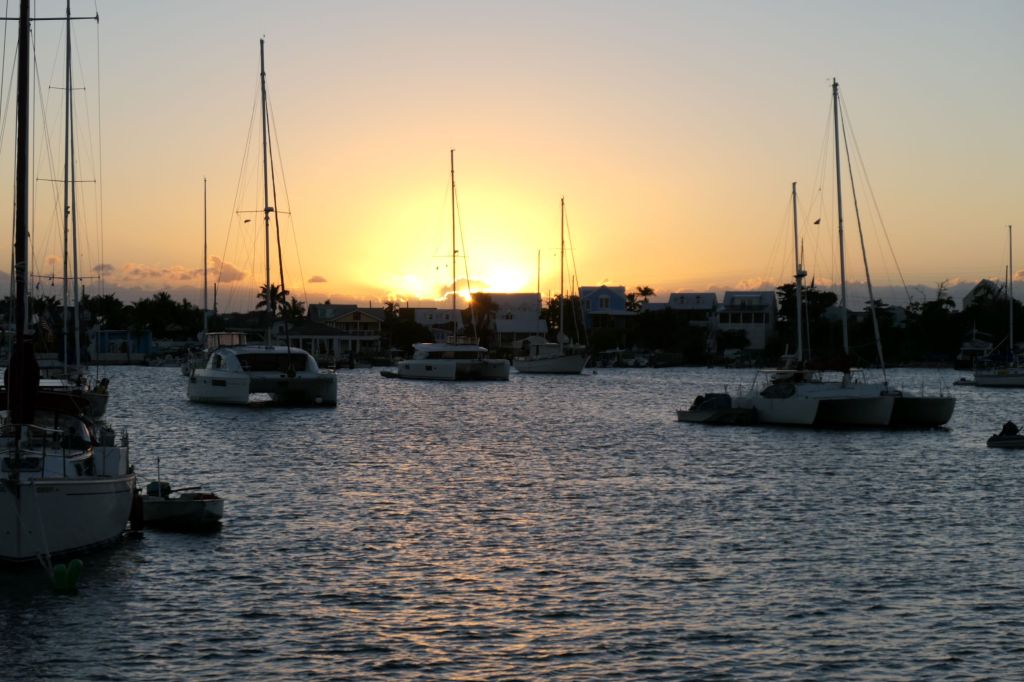
Today is really overcast grey and windy, so now that we’ve caught up with the blog, we are going to focus on chores – housework & basic engine room stuff – before enjoying the sunset this evening.

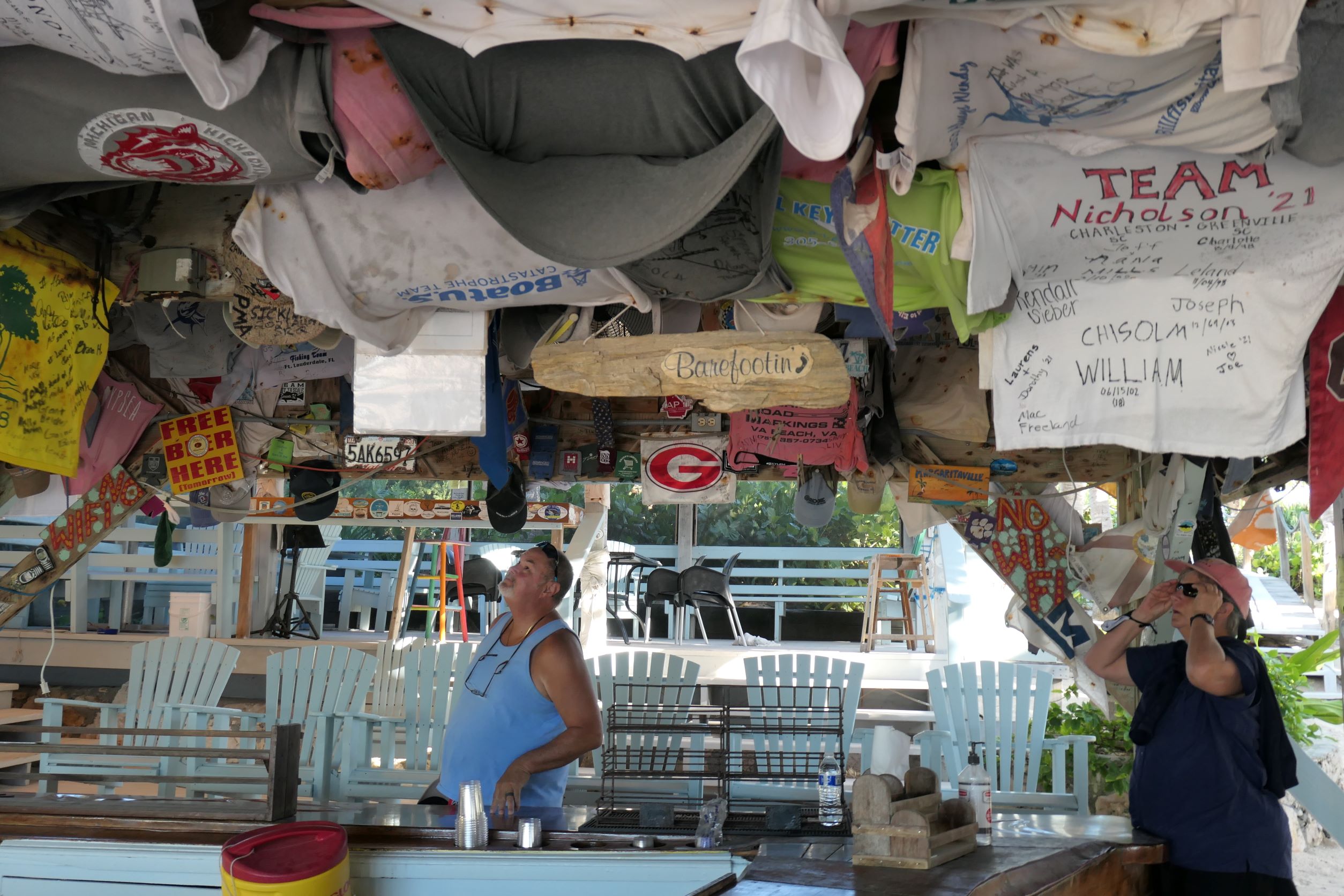
Cap’n Jacks – a Hope Town classic

Back in the early 2’s, or I guess our generation could call them the “aughts” like our Grands might have once called those early years of the last century… Anyway, the last time Todd was in the Bahamas, he and his best friend Matt went to Hope Town’s humble yet iconic waterside restaurant, Cap’n Jacks, for a classic Bahamian meal – a conch burger and a Kalik (local beer). Well, Dorian damaged it, but it’s still there, repaired and even expanded. The restaurant is settled between the water and the street. Yep that’s the street in the view. They’ve expanded with restrooms and a wholesale liquor store across the street!