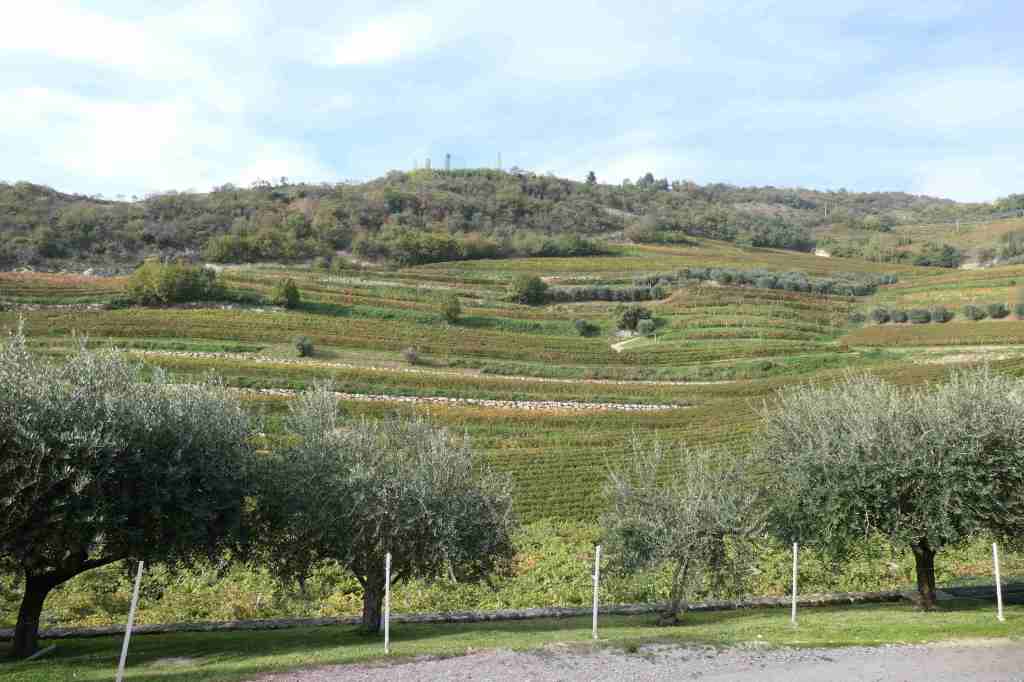
After the cable car ride in Trento, we drove approximately 200 kilometers south to Modena, a city in the Emilia-Romagna region of northern Italy. The trip out of the Alps took us through miles and miles of vineyards. Ahh…Italy!
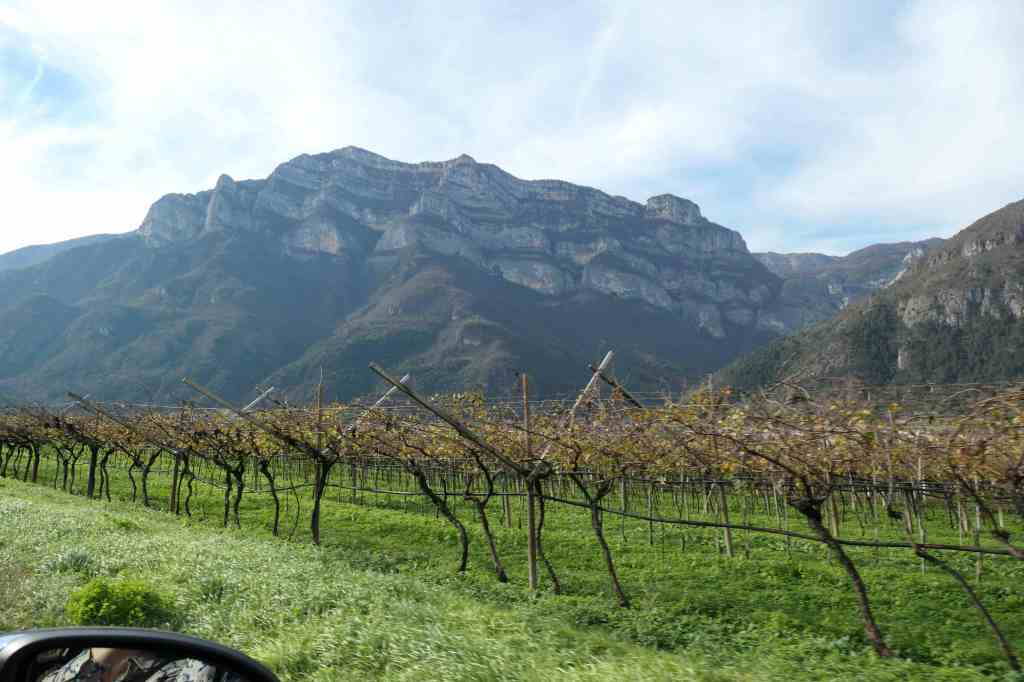
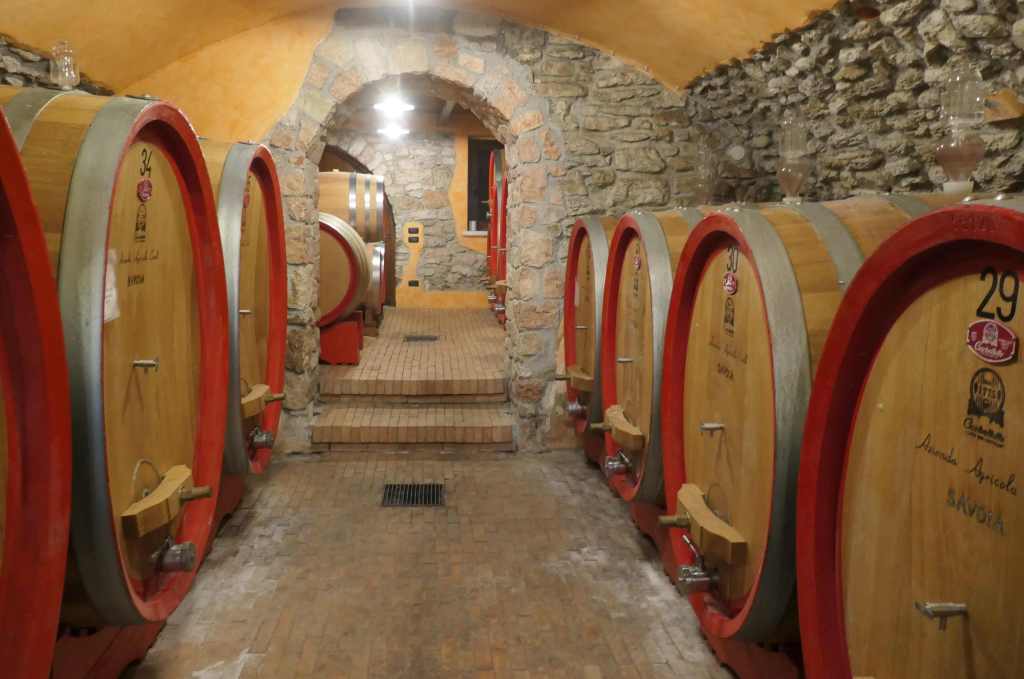
We turned off the main road in Verona, bound for our first Italian wine tasting!
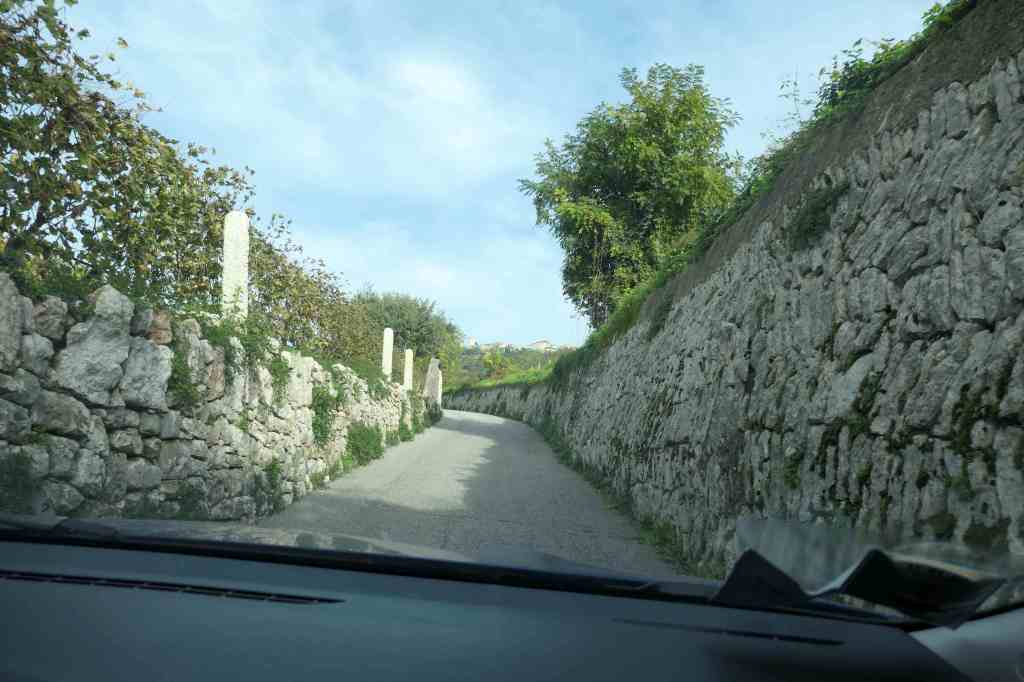
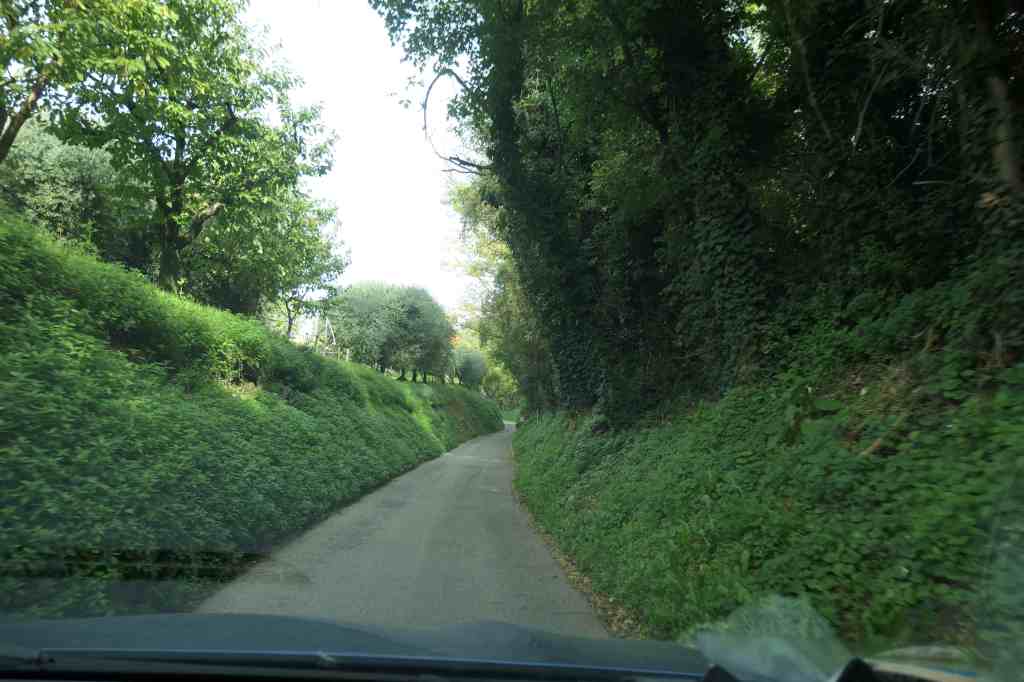
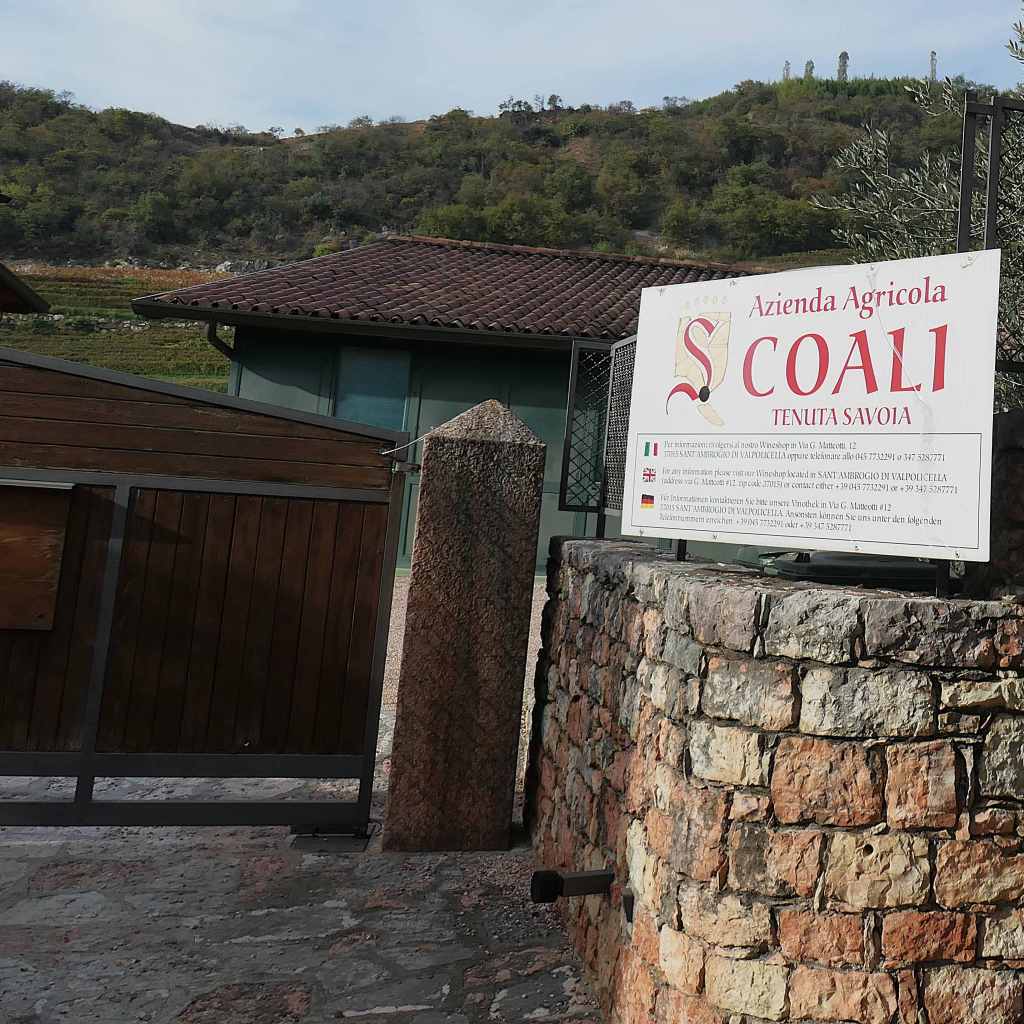
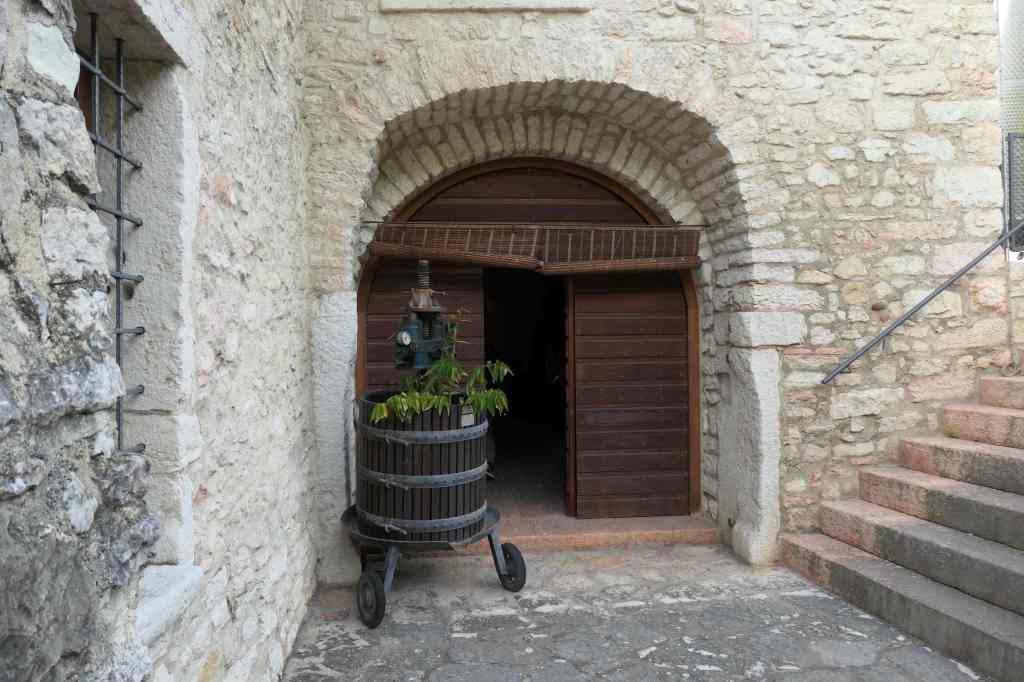
Another car had also stopped and already called the number listed on the sign, so the owner of this smaller winery was on the way. Voila! Impromptu tasting for four!
The city of Modena and the nearby area proudly embrace their reputation for “fast cars and slow food.” Let’s begin with the cars. Think famous Italian sports cars. Maserati. Ferrari. De Tomaso. Lamborghini. Pagani.
Unbeknownst to Susie as to why, Todd said, “let’s go to Ferrari!”
Modena was the birthplace of Enzo Ferrari, the man who sold his house when he was twenty years old to buy his first race car and went on to create a legend.
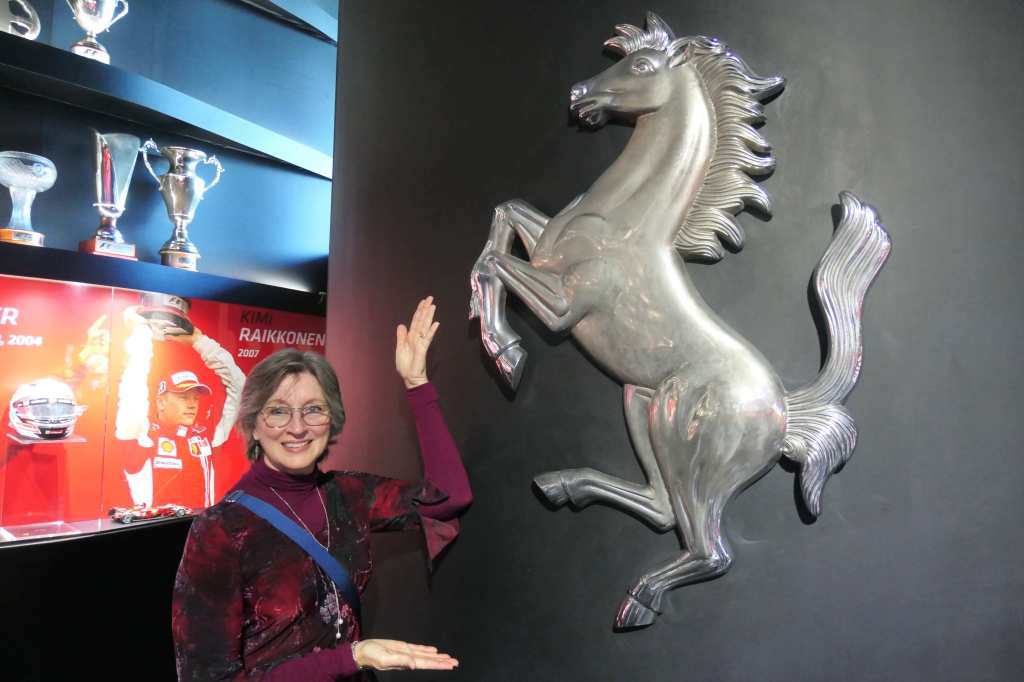
For her part, Susie likes the Prancing Pony logo. 😉
Todd smiled.
Win win.
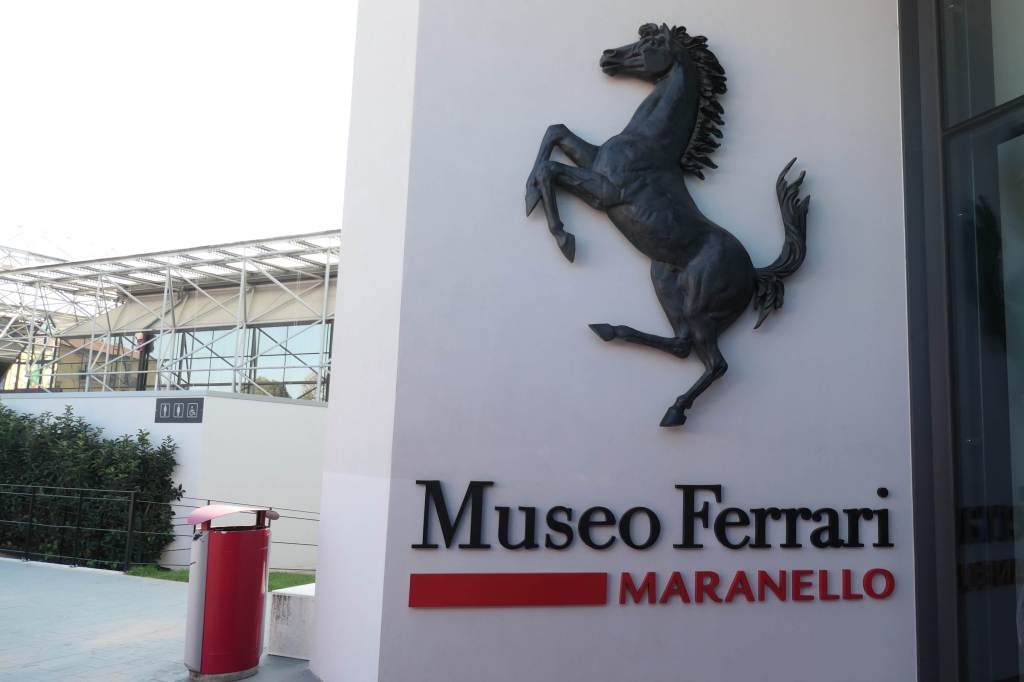
We worked our way through the two Ferrari museums, admiring lots of super-fast cars.
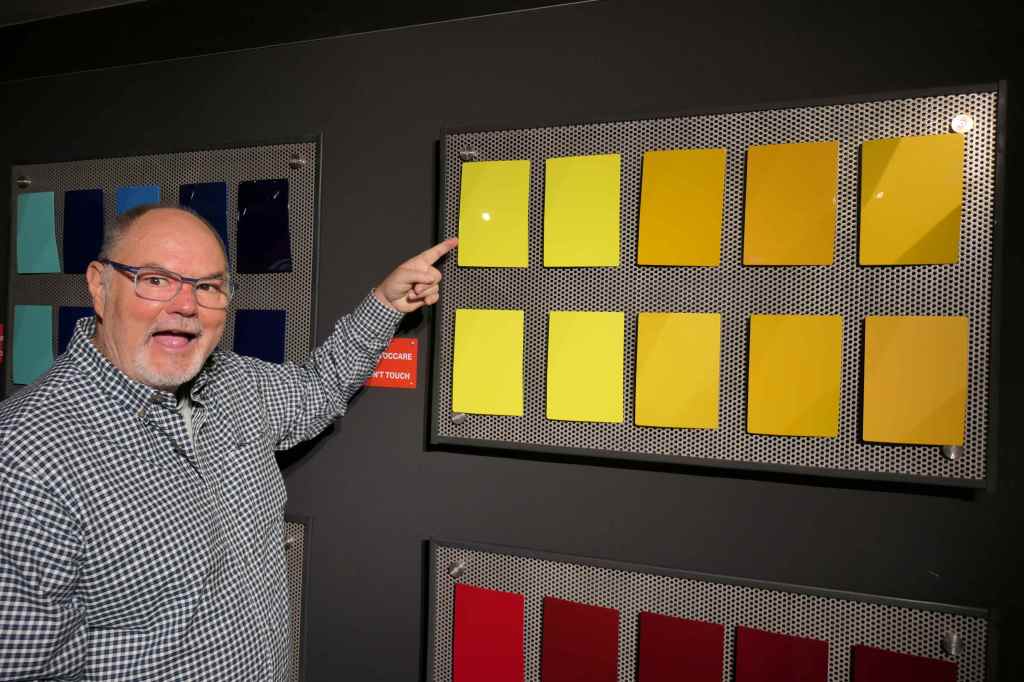
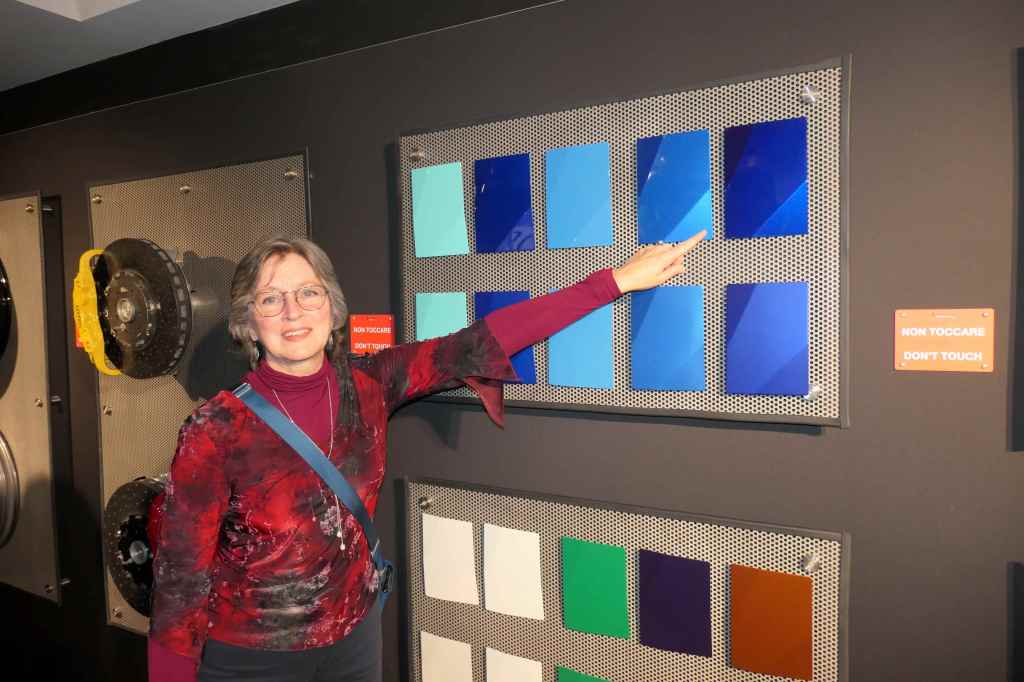
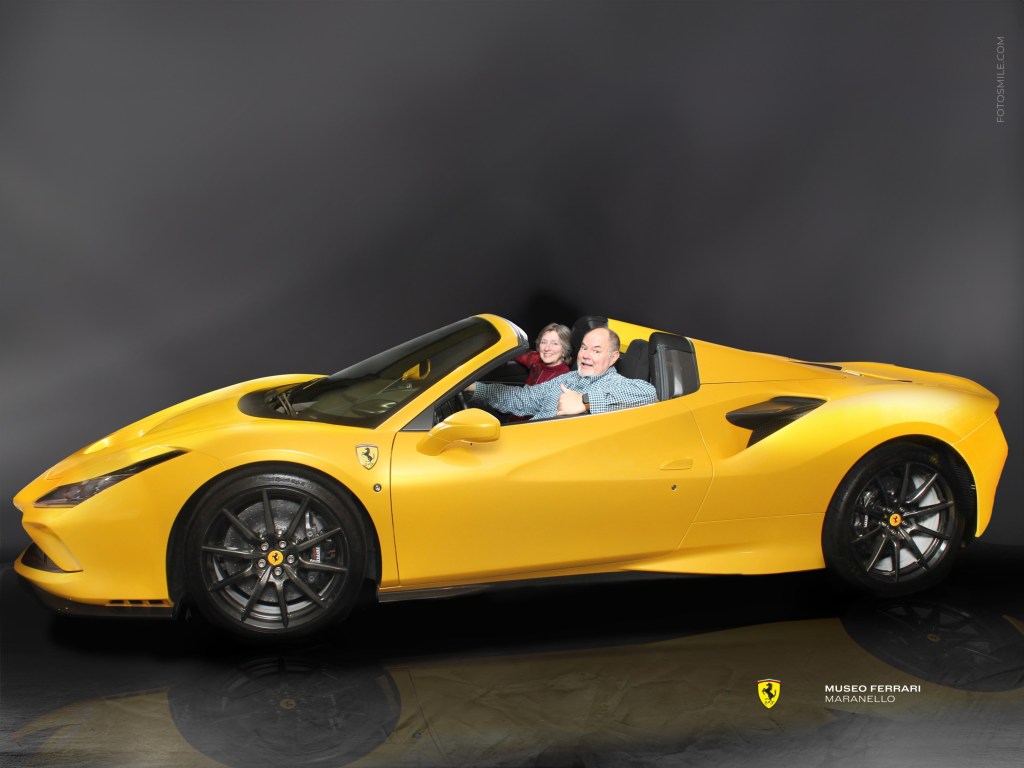
Todd happily took a turn in the simulator, and claiming it to be harder than it looks, only hit the wall once (okay, maybe twice). He performed better on the second lap. Quick progress!
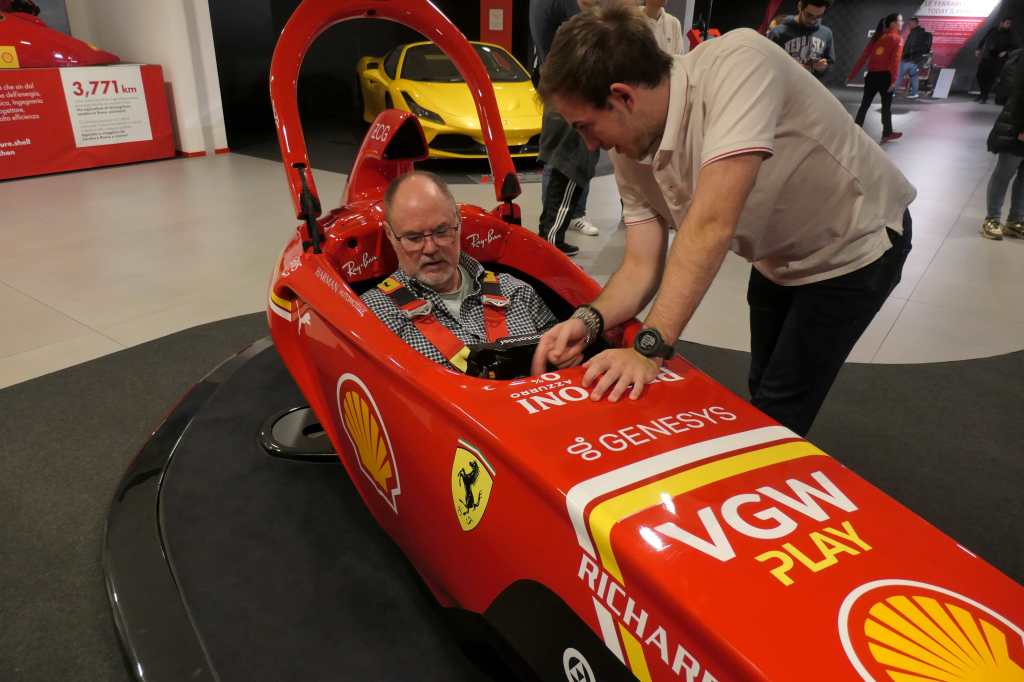
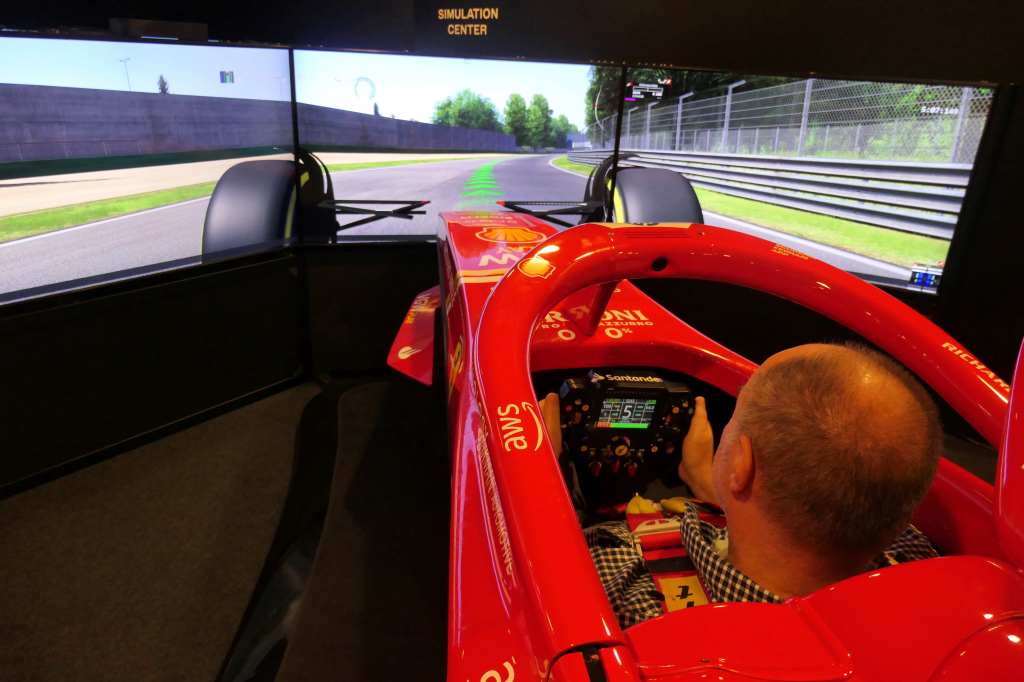
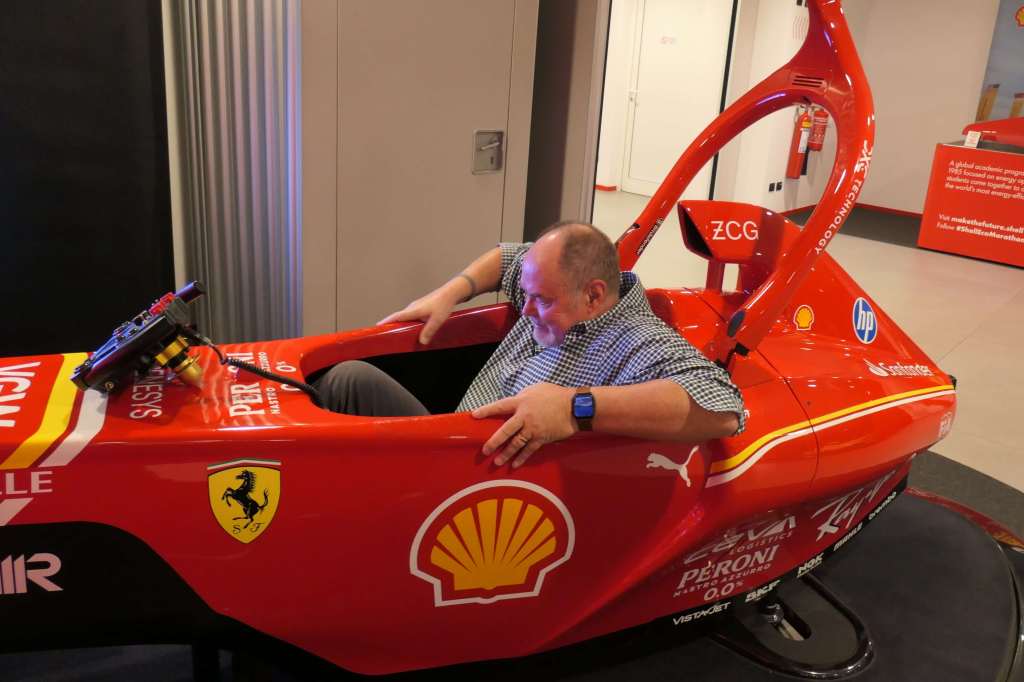
Apparently slower-reacting, old-ish, fat-ish guys aren’t built for the superfast, tiny movements of the F1 cars. So, off we went to see some of the many, many models made by Ferrari, each carefully produced one at a time with amazing precision.
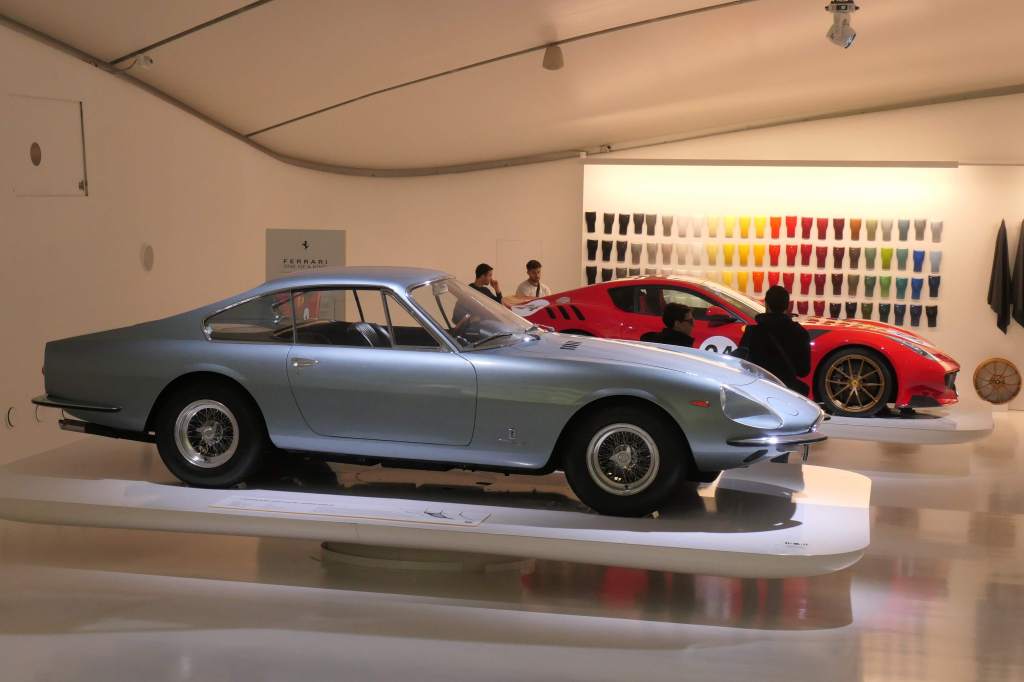
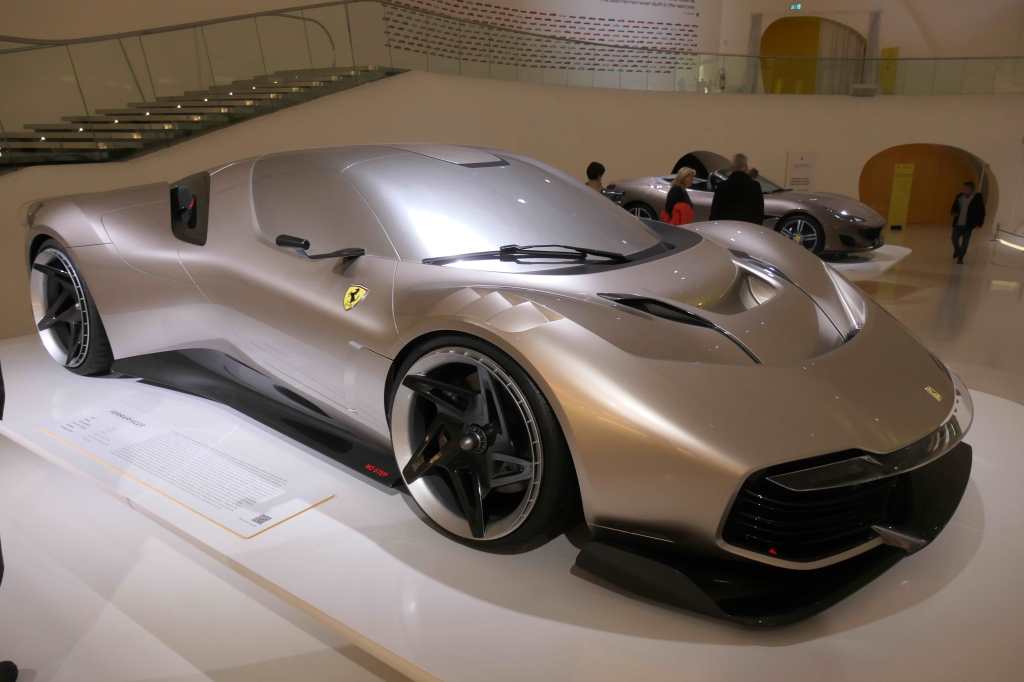

(would look really nice in blue)
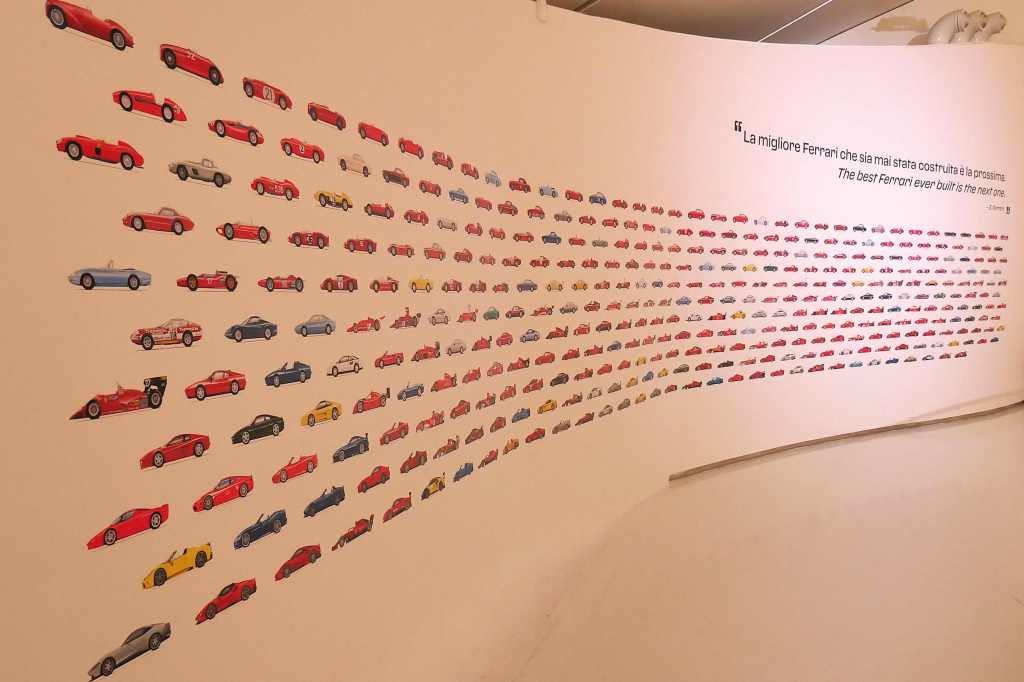
Now about that slow food. The Modena area is famous for two food items – parmesan and balsamic vinegar – about both of which we had plenty to learn.
Parmigiano-Reggiano
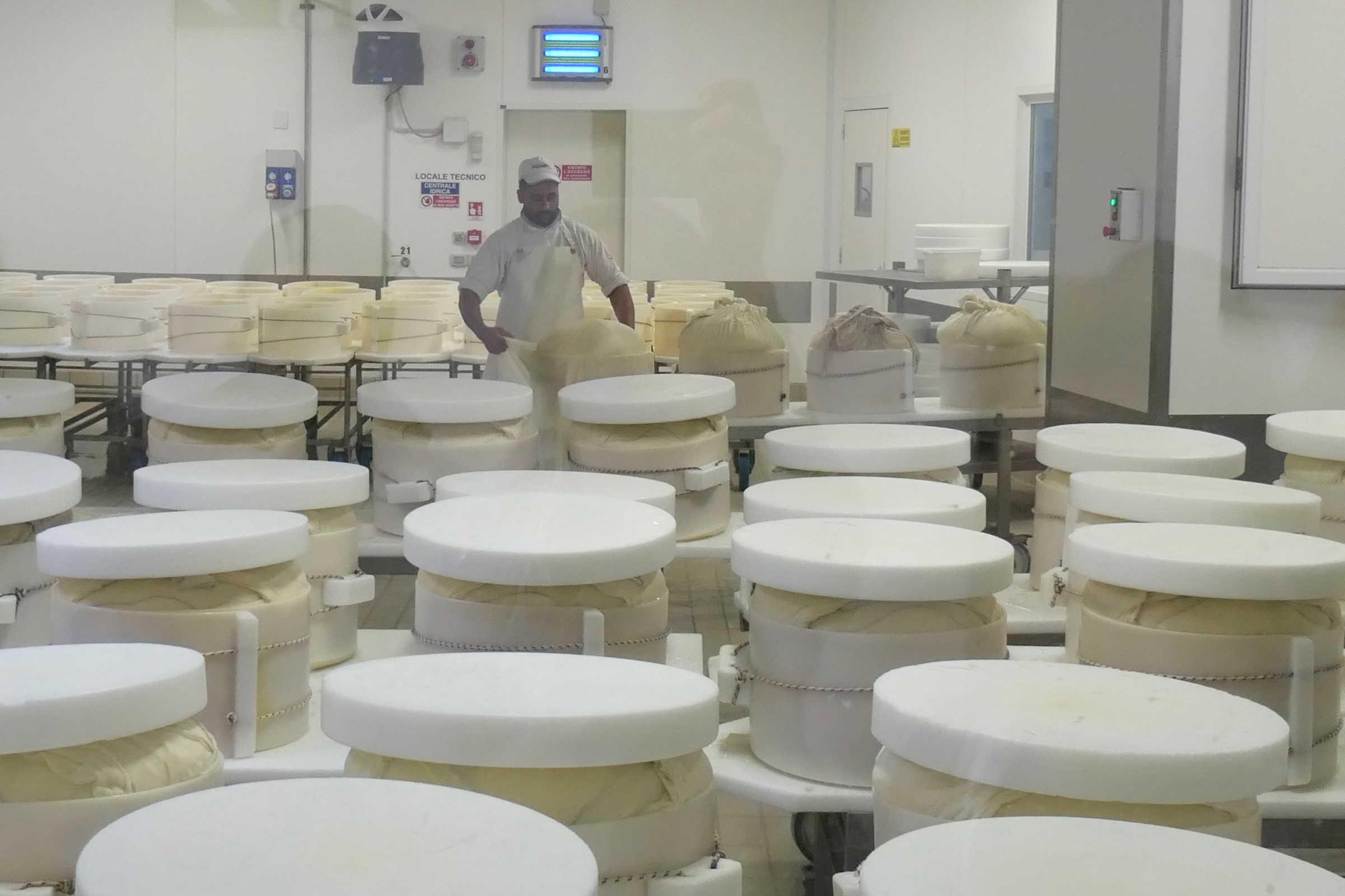
We started our culinary education with the so-called “King of Cheeses,” parmesan, which was created by local monks sometime before 1300. 4 Madonne Caseificio dell’Emilia, built in 1967, is the largest dairy among the several hundred now located in the Parmigiano Reggiano Consortium (1901). (The dairy’s tongue-twisting name comes from a nearby pillar depicting the Virgin Mary on all four sides.) With seven facilities and a team of 80 employees, they produce an average of 380 wheels of Parmigiano Reggiano daily, totaling approximately 140,000 wheels annually. Mama Mia, that’s a lot of cheese!
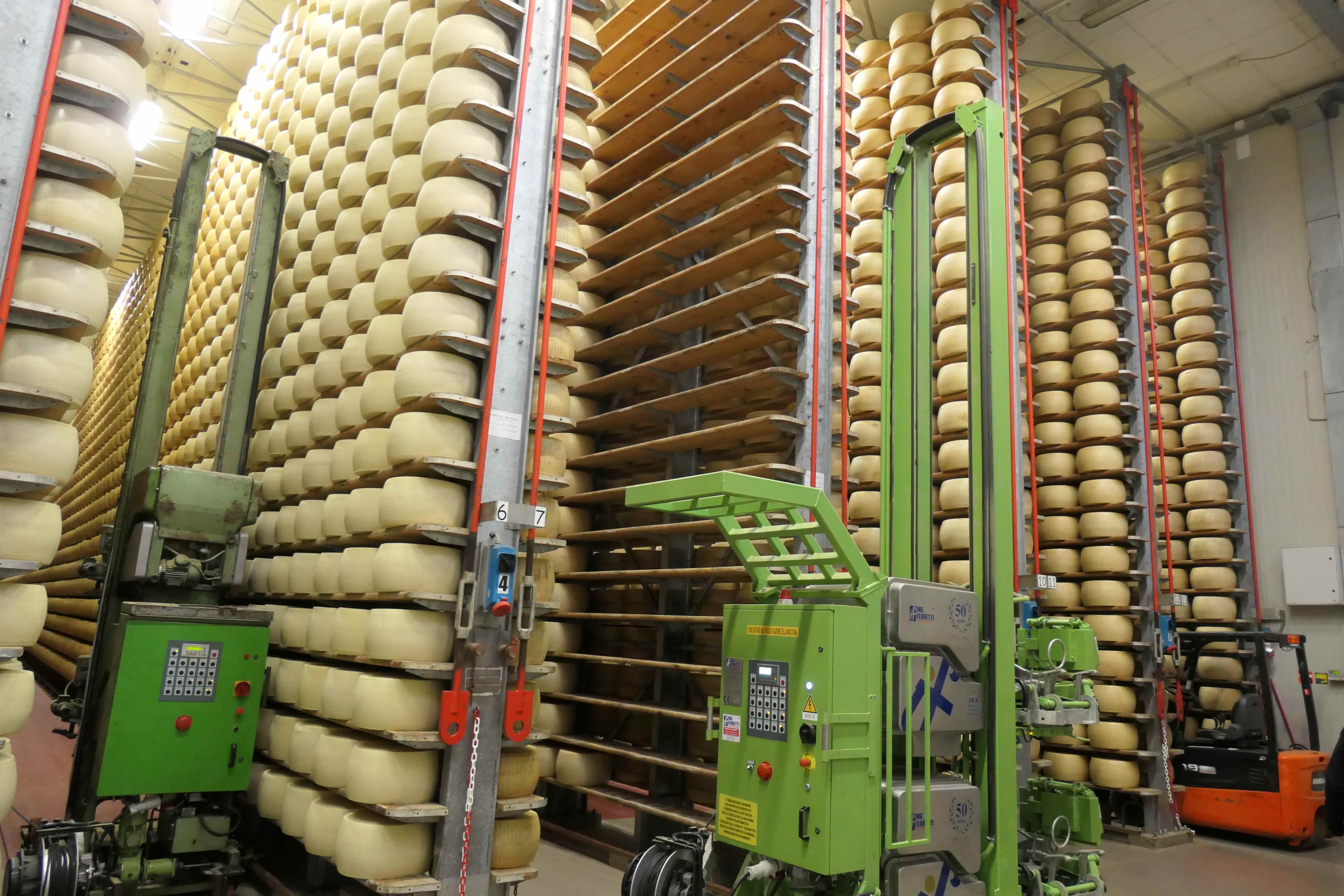
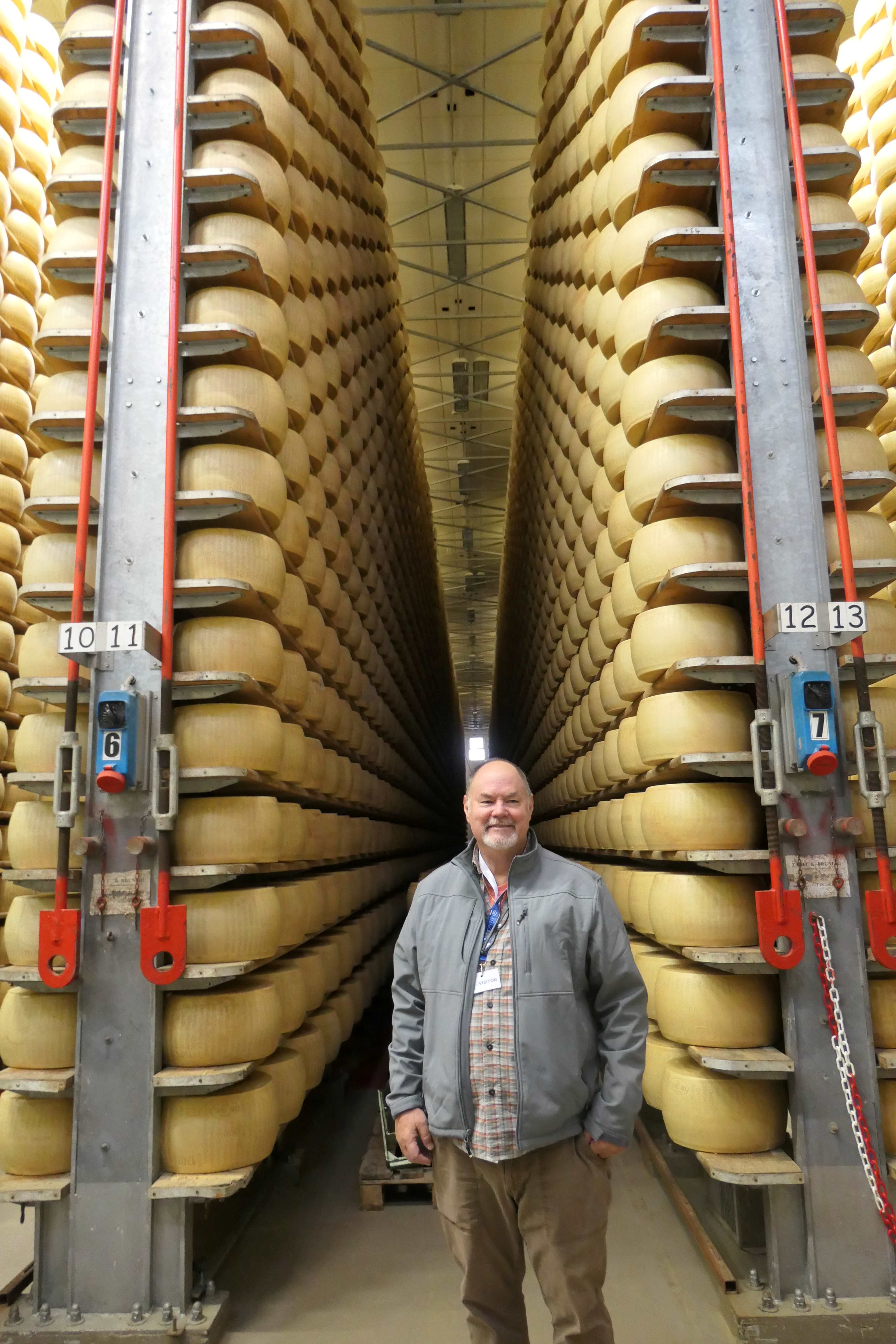
It takes approximately 160 gallons of milk to make each wheel. After a day or two in a ring mold, there’s an imprint left on the wheel that includes the “born on date.” Out of the ring, the wheels are then submerged in a salt bath for 15-20 days! After the soak, the wheels go into huge ripening rooms where the tens of thousands of wheels are flipped and brushed by “robots” every week. After 20 months, each wheel is inspected by government experts that grade it to be either Parmigiano Reggiano (since 1928) or… meh, just cheese. If it passes the test, the wheel gets the official dark stamp.
We saw stamped wheels that are more than 25 years old. Each wheel starts at 40 kilos (88 pounds)! The older ones are lighter.
Oh, and that rind on the outside is all cheese, nothing artificial. Toss it in soup to impart a bit of salt. 🙂
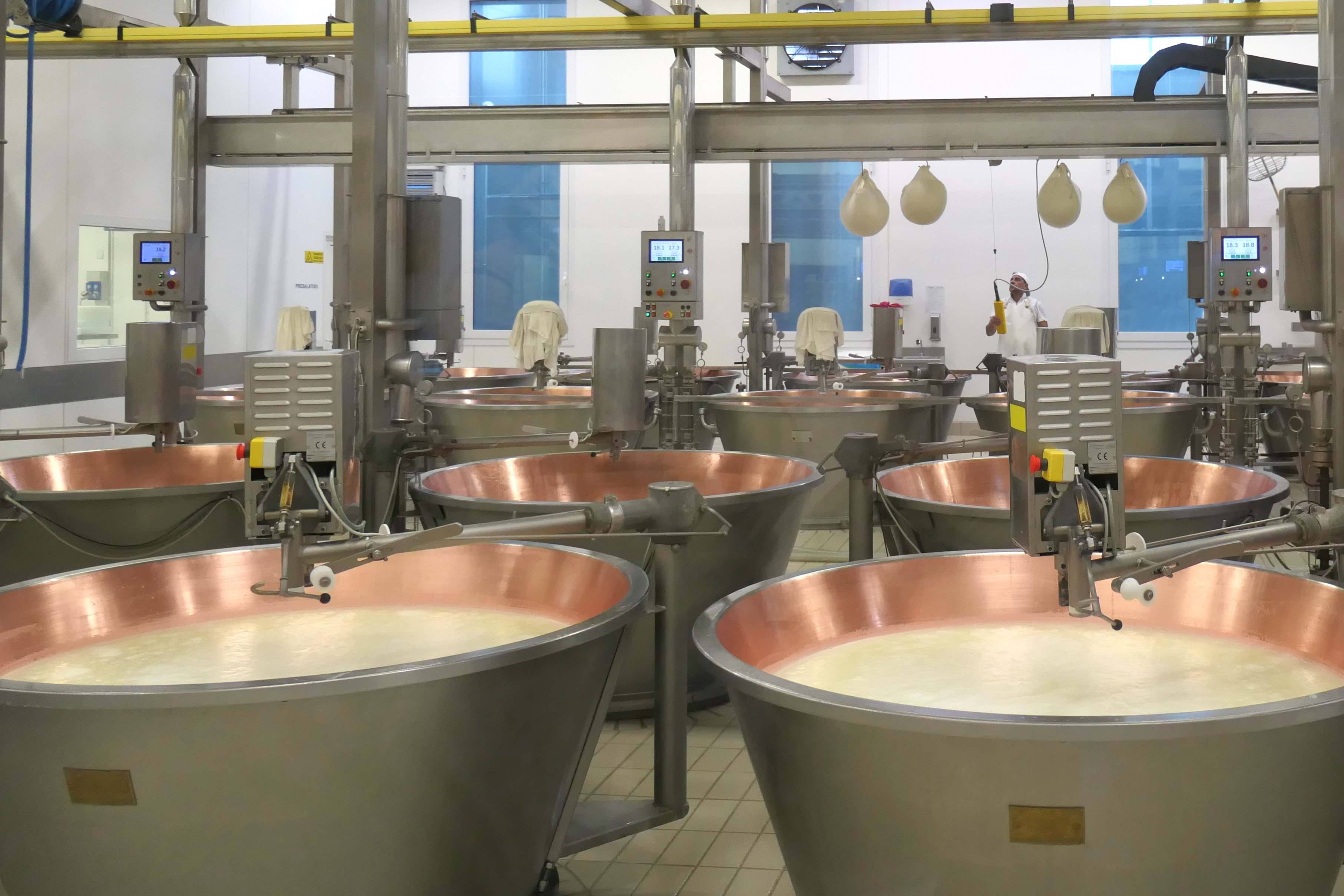

Balsamic Vinegar
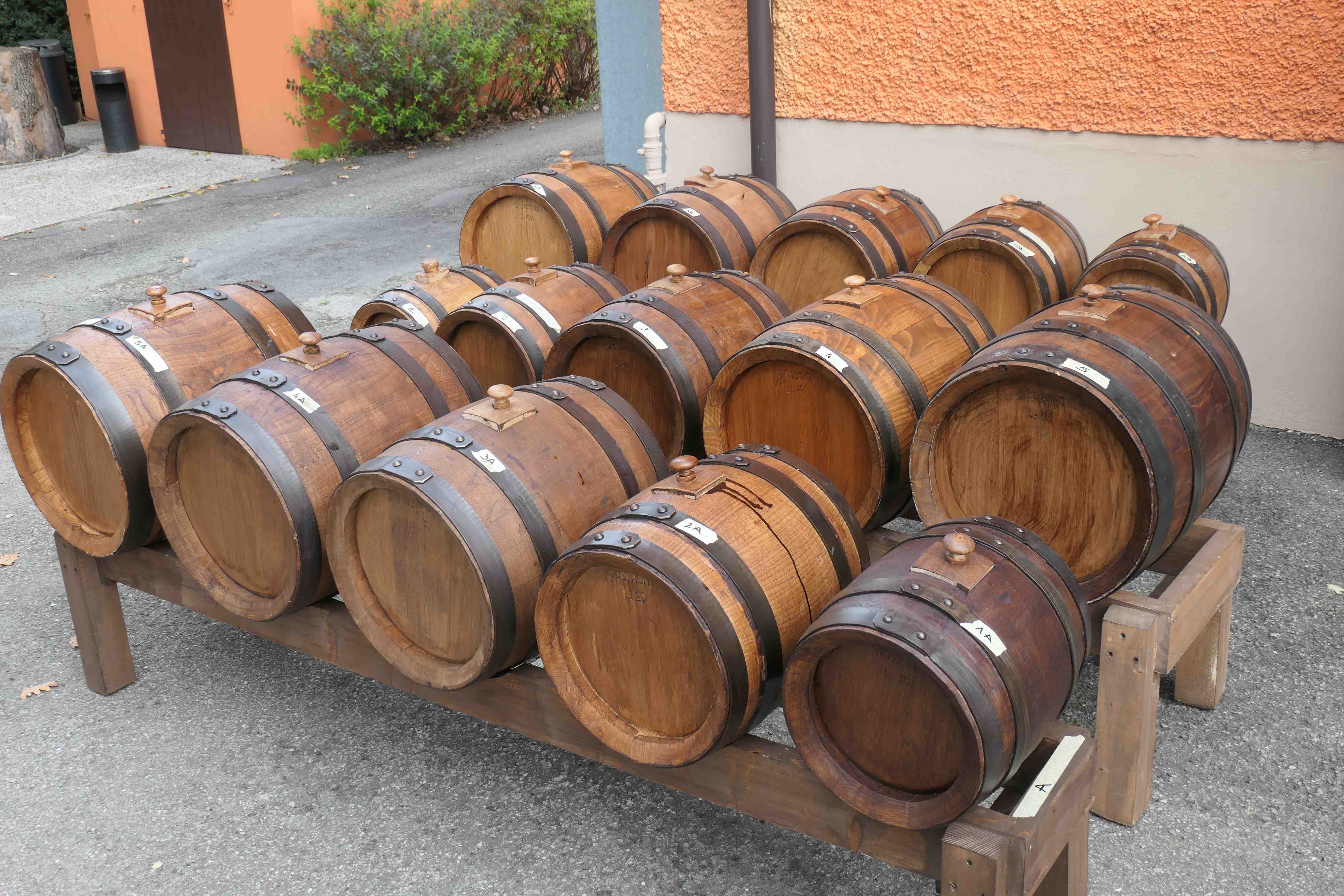
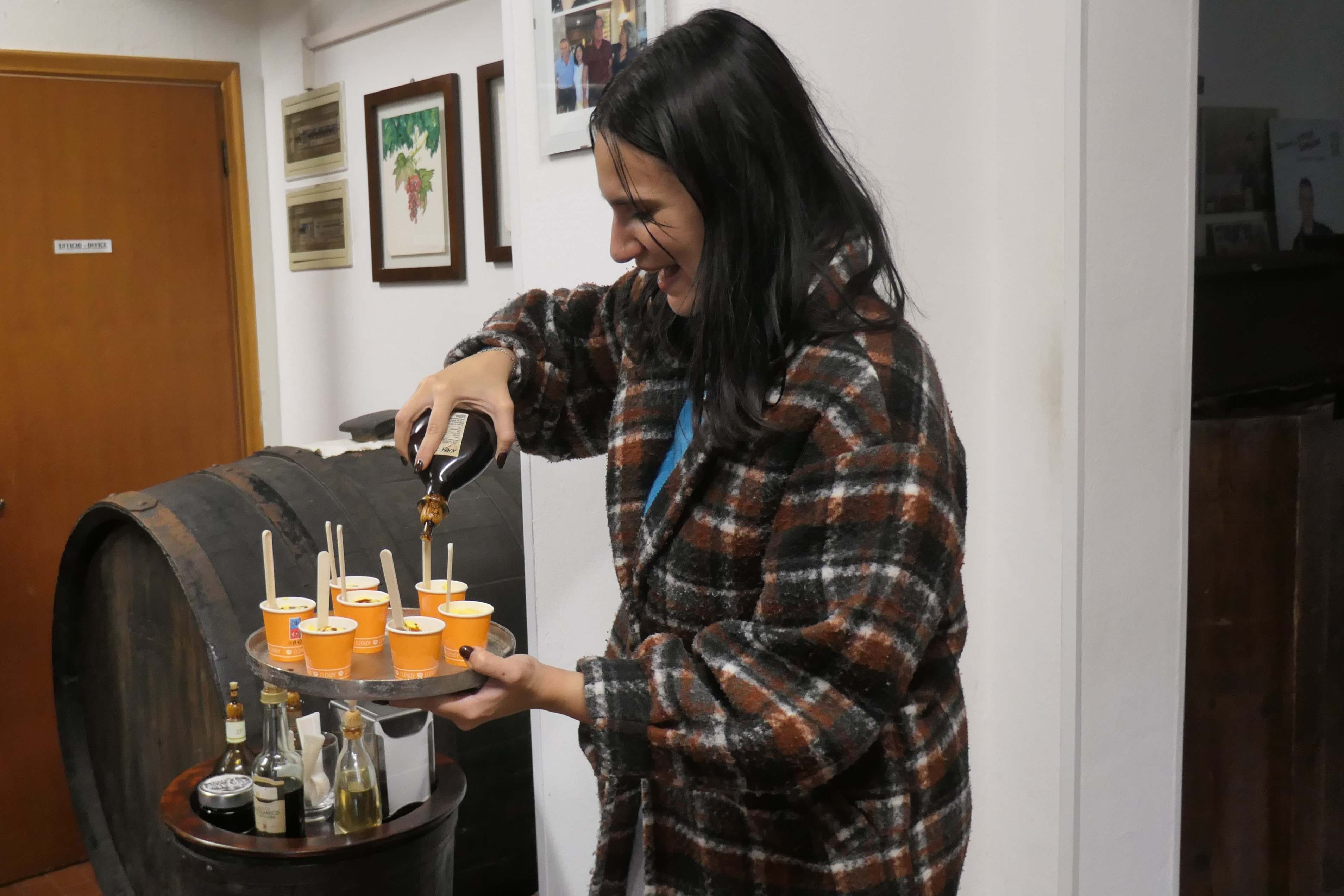
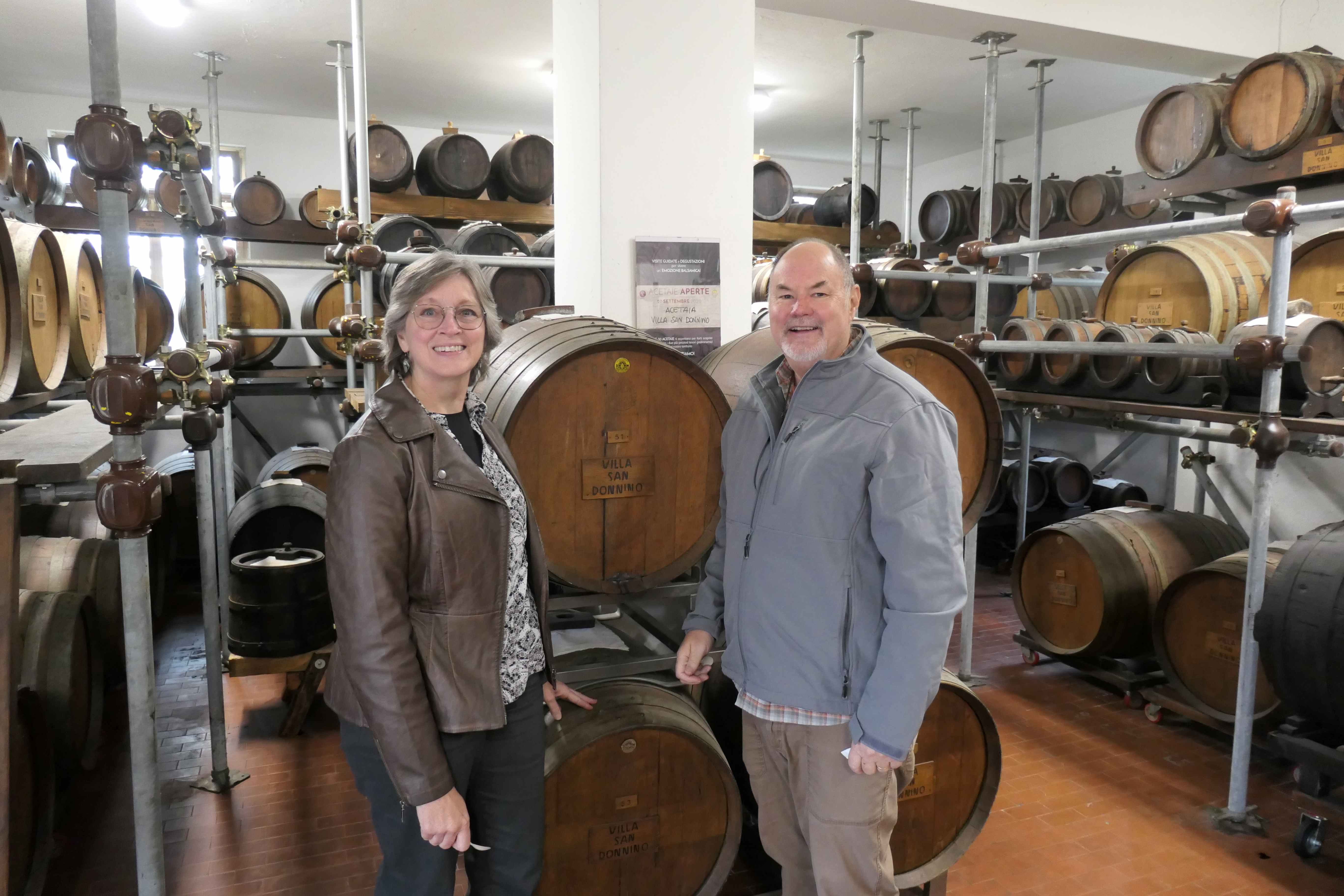
Next up, the other famous slow food of the area, balsamic vinegar, which has ancient roots involving a strict method of production handed down from generation to generation. We visited Villa San Donnino, one of many small “acetaias” producing traditional balsamic vinegar of Modena.
From Wiki, “The practice of cooking grape must (juice) can be traced back to ancient Roman times, where it was valued both as a medicinal remedy and a sweetener or condiment in cooking. The story of this quintessential Italian product began in the 11th century in the small city of Modena.”
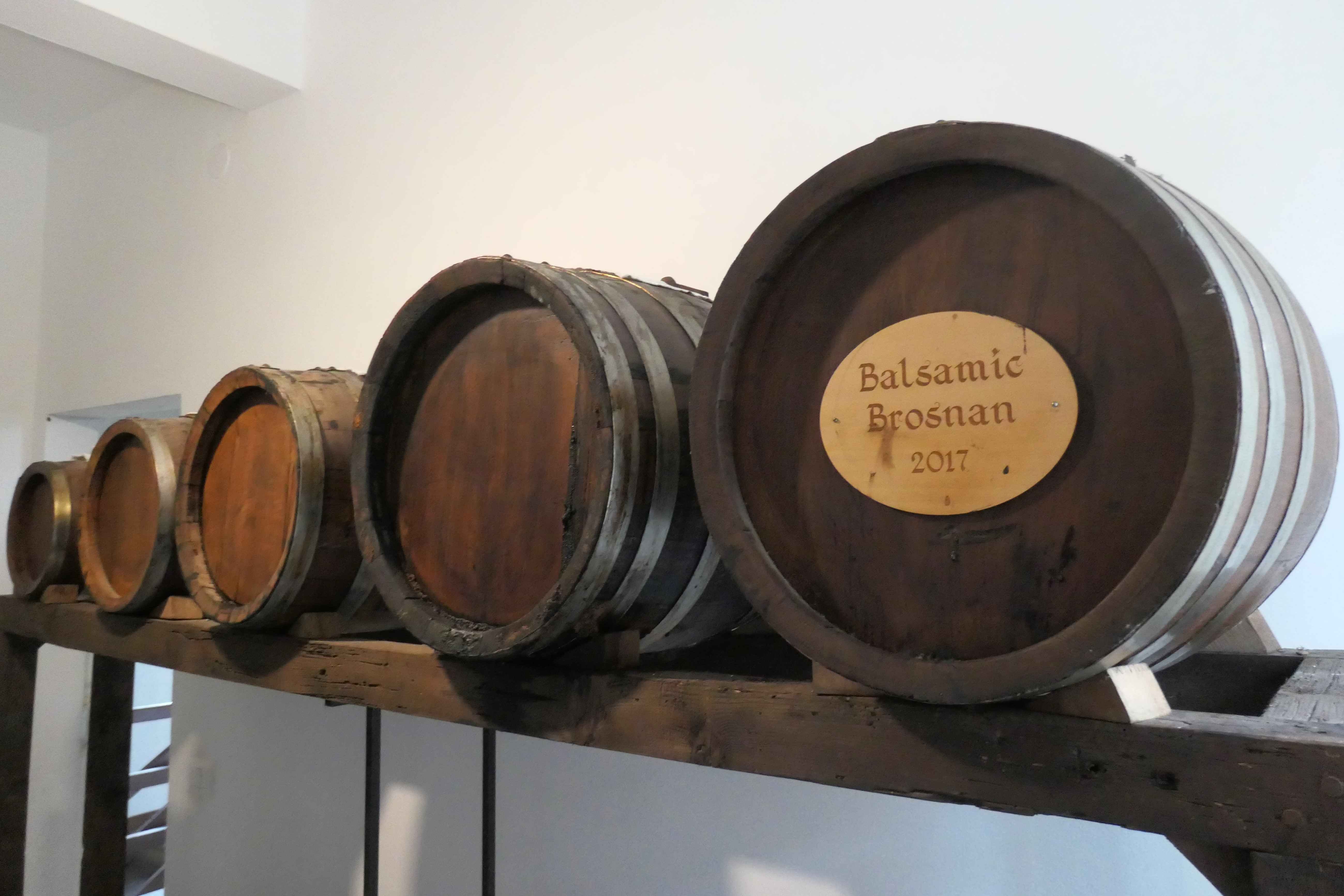
Once cooked, the grape must is poured into the set of barrels and ageing begins. Just like wine, the barrels lose “water” through evaporation. So, every year, to refill the smallest barrel, some grape must is removed from the next smallest barrel and poured into the smaller one, and so on through the set. The largest barrel then gets “new” must. The process is repeated each year, until twelve years later one has a small barrel of fresh balsamic vinegar. Don’t use it all, or you have to start over! Keep going for 25 years and you will have the really good stuff, a thicker concoction than we Americans hardly ever get, that is perfectly balanced between sweet and vinegary. Think small bottle, more expensive, only one ingredient and at least 12 years old.
After all that focus on food, boy howdy, we needed a walk, which we took in the form of exploring the historic center. Into downtown Modena we went!
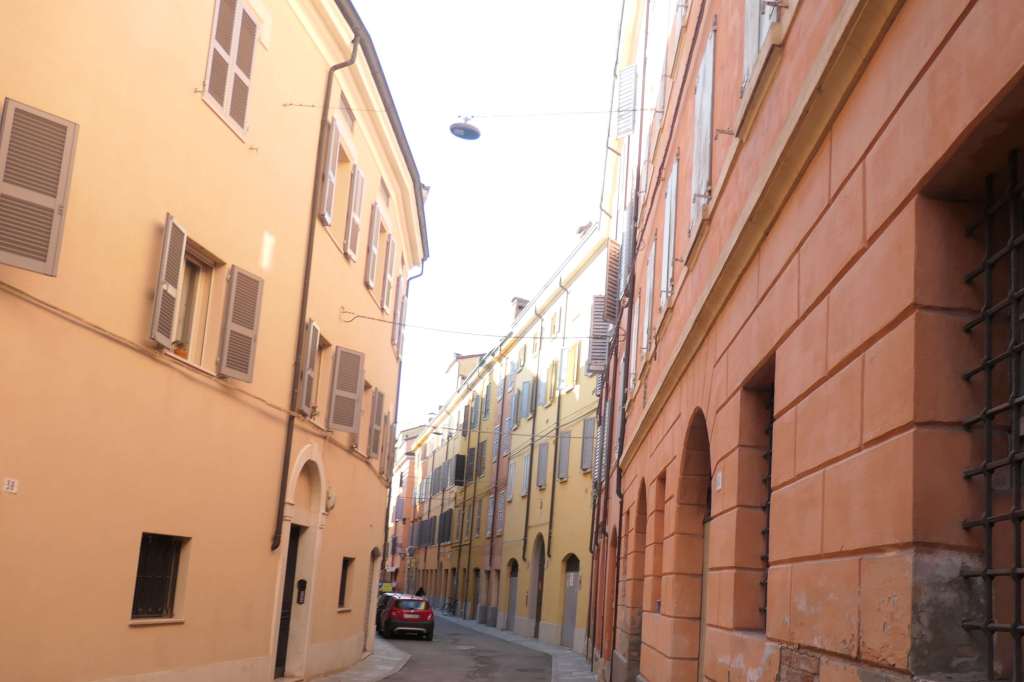
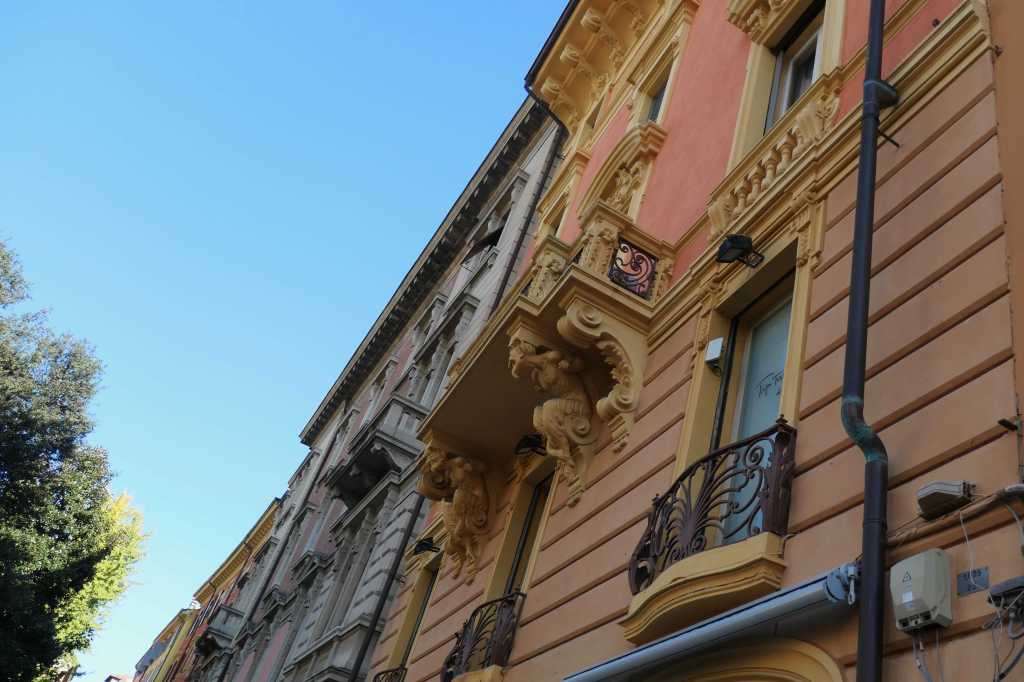

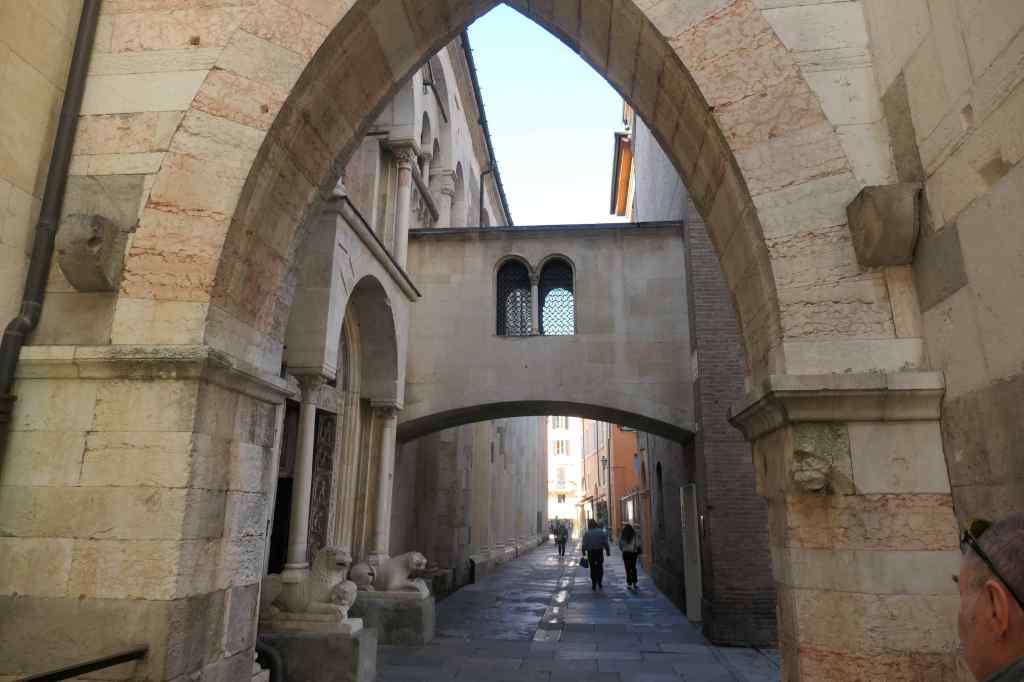
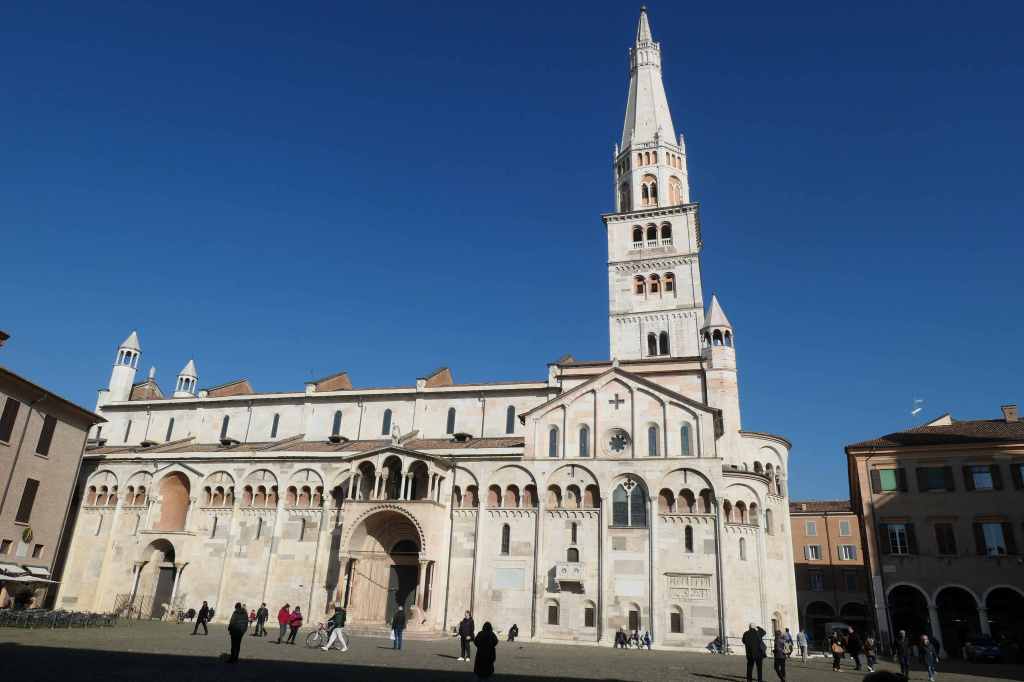
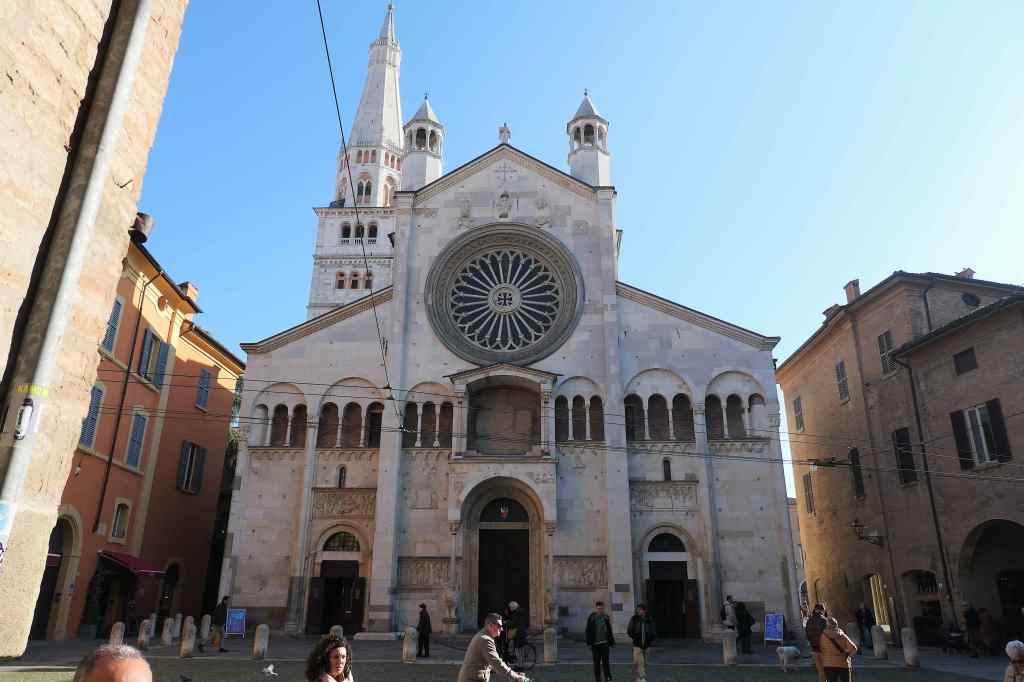
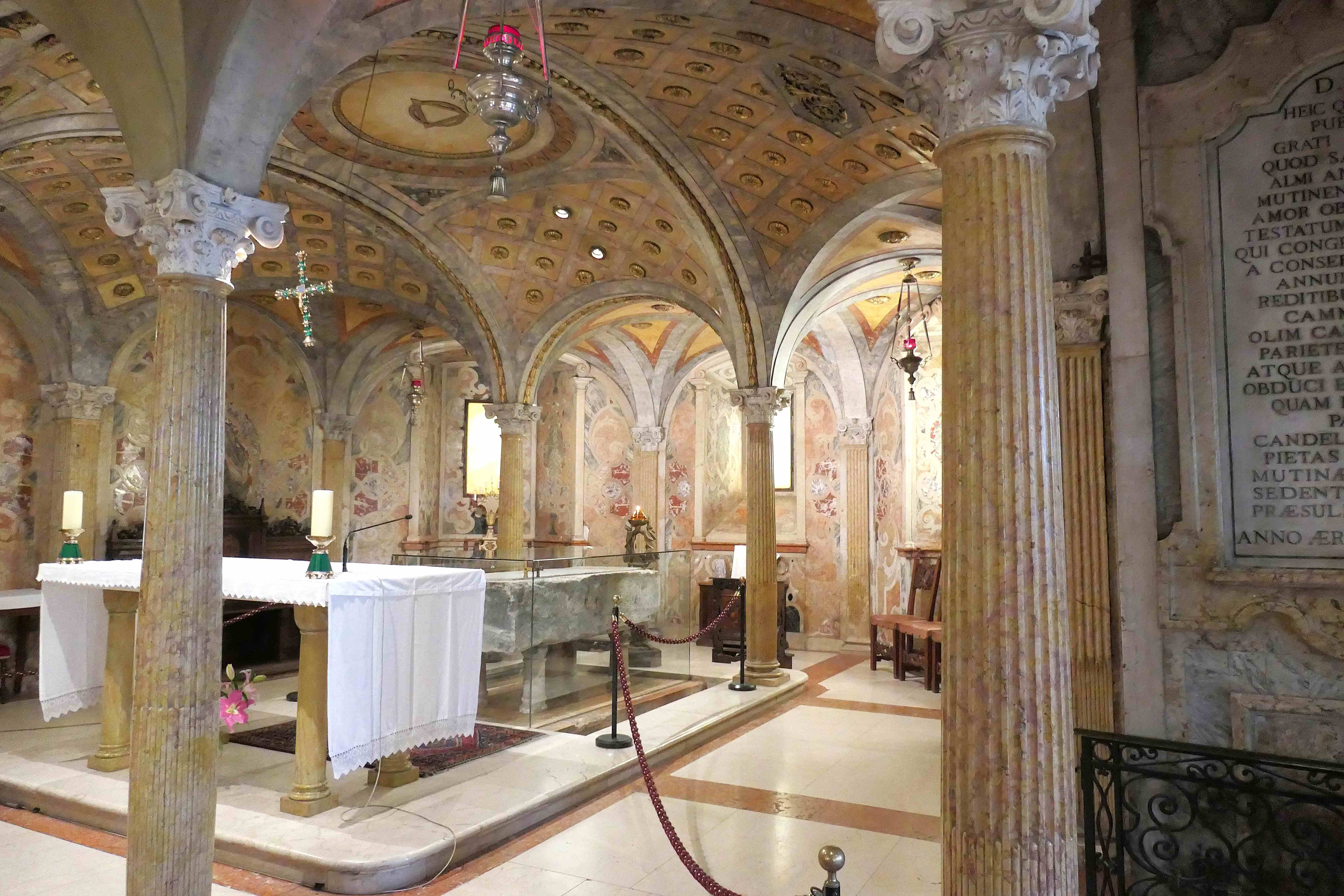
After a few wrong turns, we made it to the square and the Cathedral of Santa Maria Assunta in Cielo and San Geminiano. (See, “Duomo di Modena” is a whole lot easier to say.)
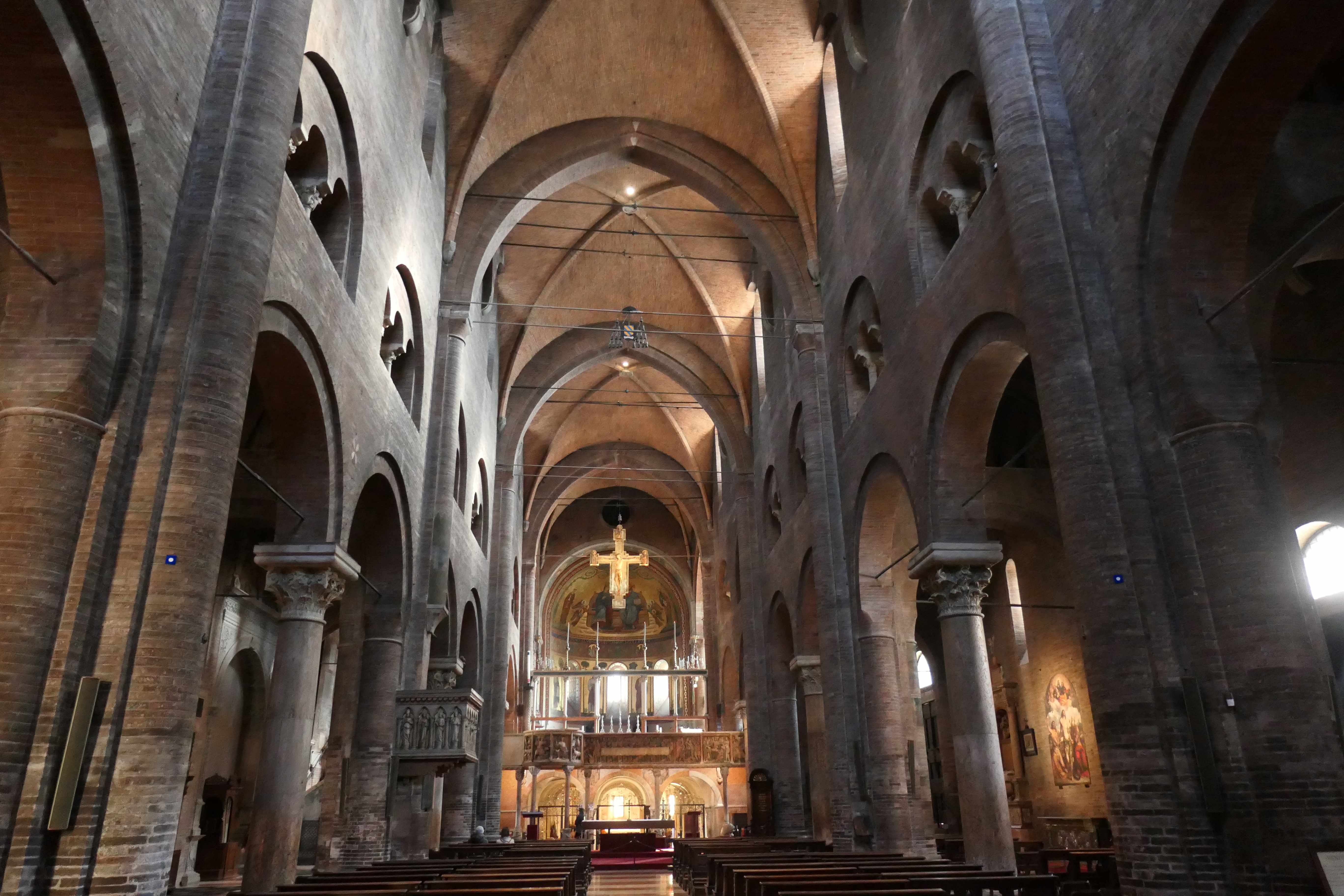
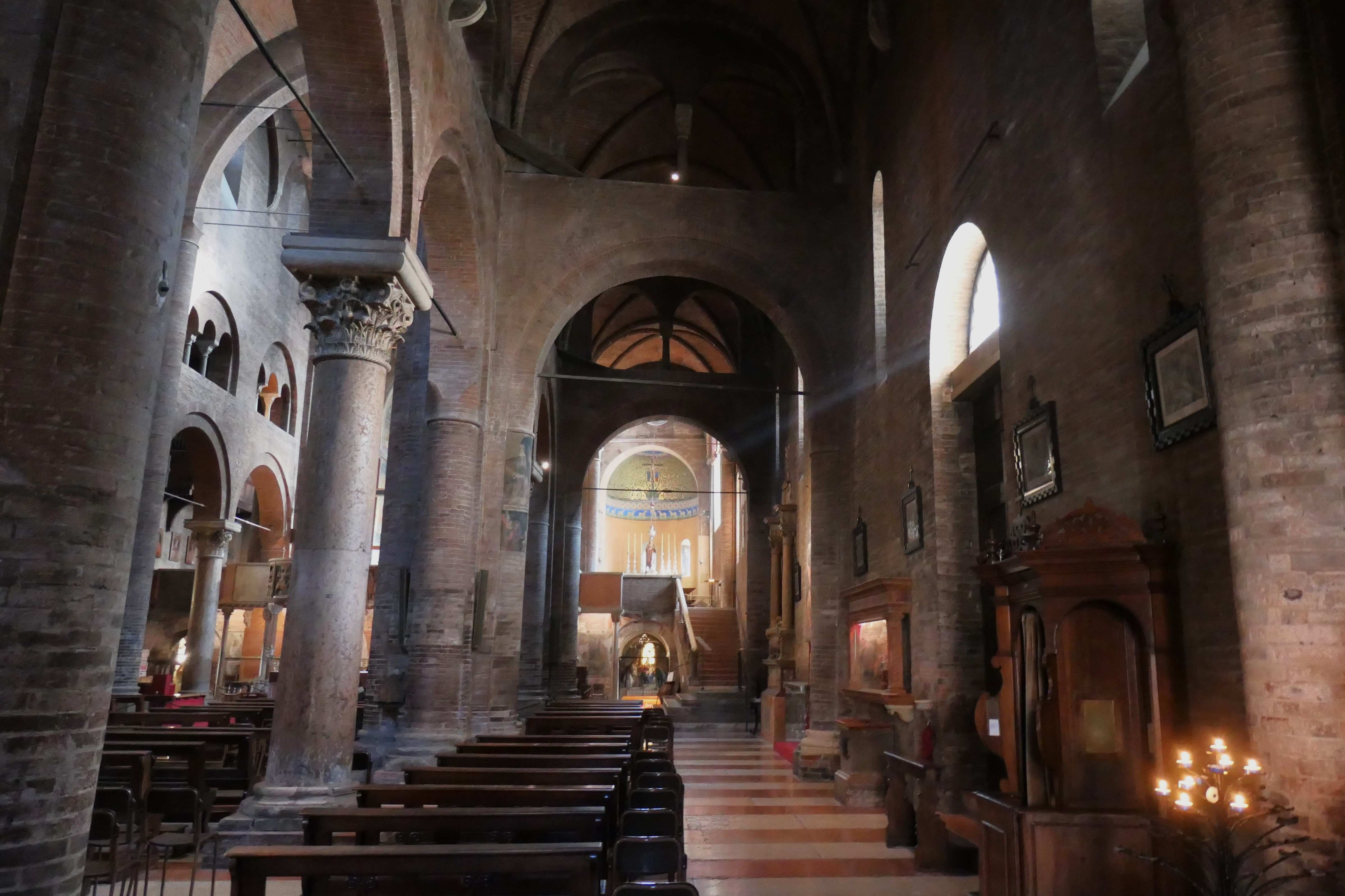
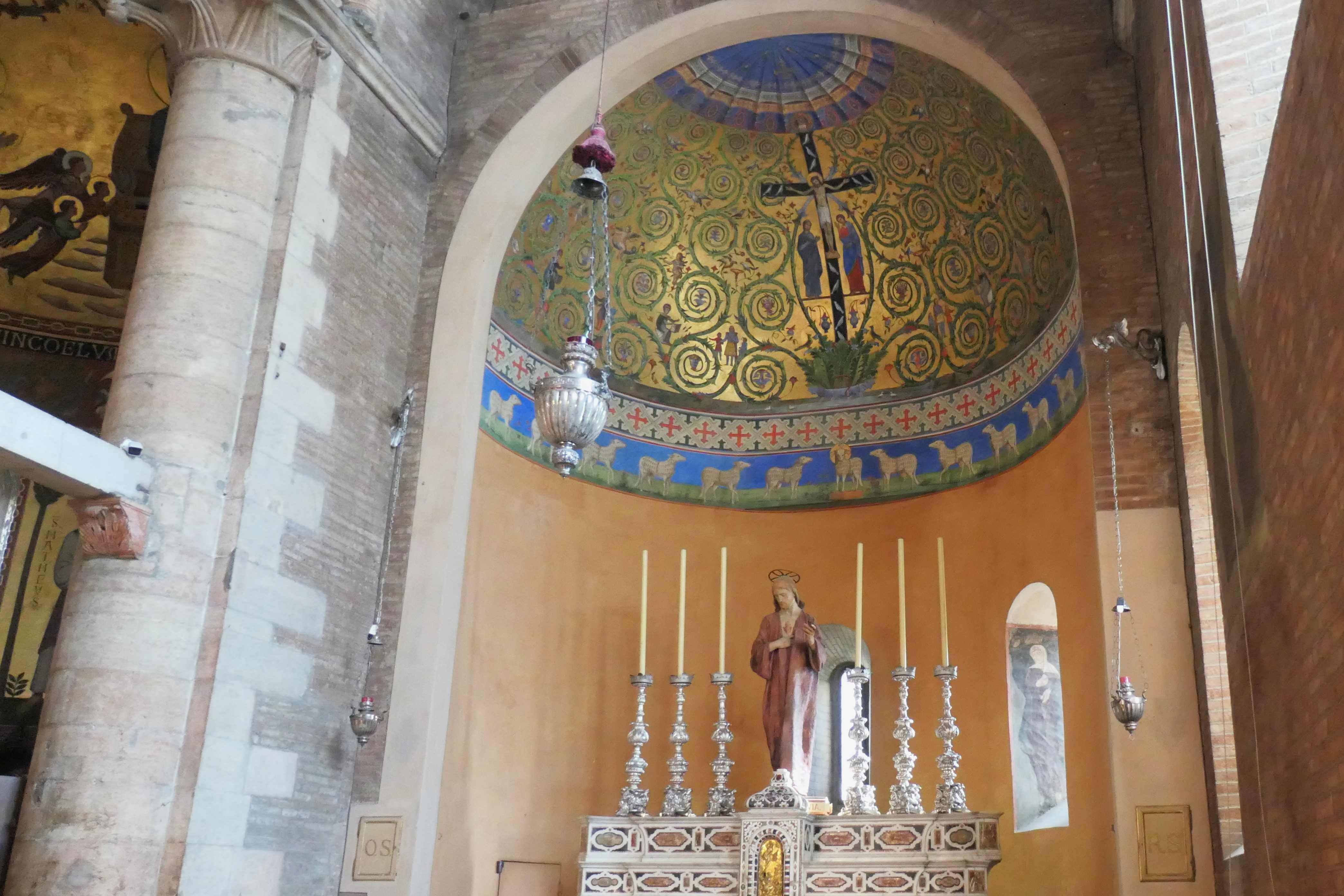
As with so many of the churches and cathedrals, the interior was quite ornate and full of religious artifacts.


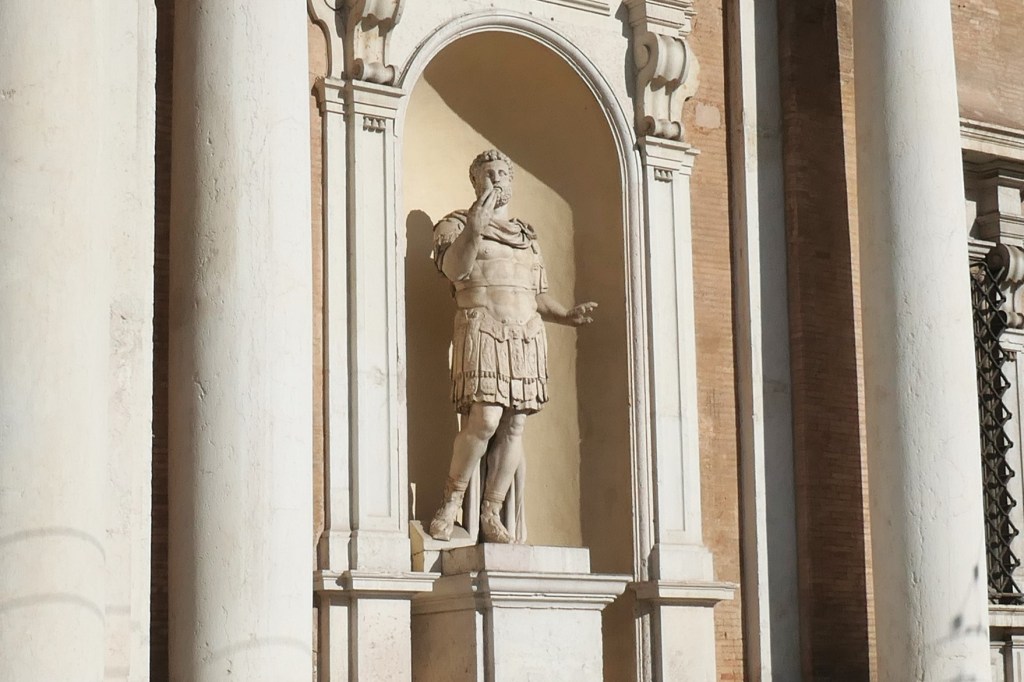
When it was time for lunch, we grabbed a bite at a sidewalk cafe, where, due to the language barrier, we each ended up with a plate full of cipollini onions for dessert! The quaint, onion-serving cafe was located near the Military Academy of Modena, a military university founded in 1678 and now housed in the Ducal Palace. There are heroic statues along the roofline of the large palace and touching memorials to those killed in past wars in the interior foyer.


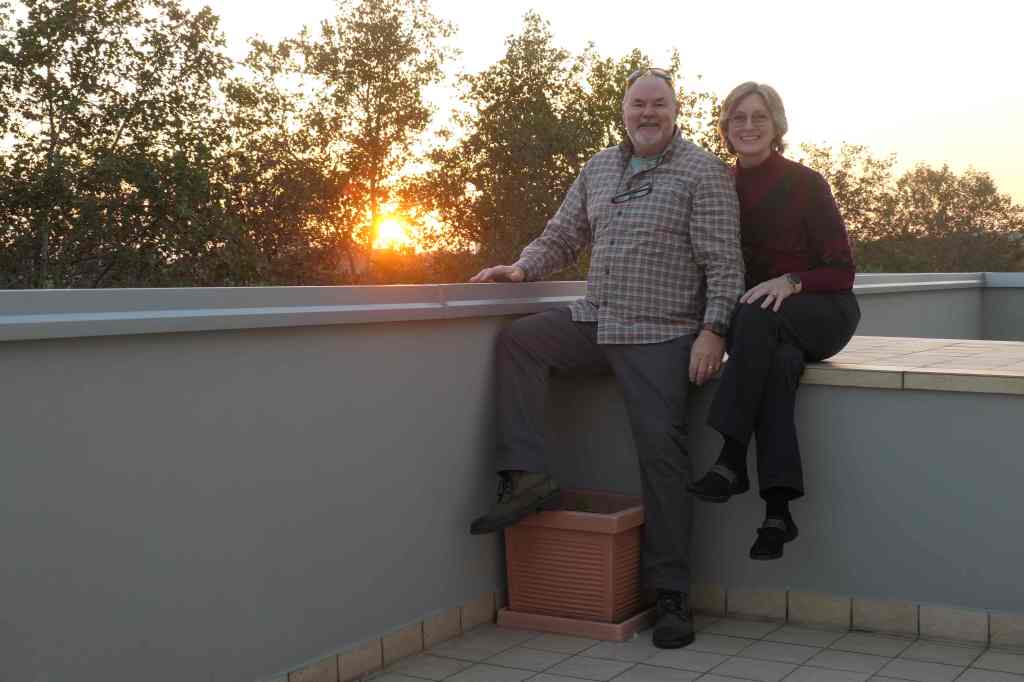
After a week experiencing the fast cars and slow food, we took in the sunset on November 11 and packed our things. Next stop, Tuscany!
 Our Travels